AI Transparency: A Matter of Economic Performance, Not Just Policy
Singapore's call for open dialogue on AI in the workforce highlights a critical operational challenge for companies across Asia-Pacific.
SINGAPORE
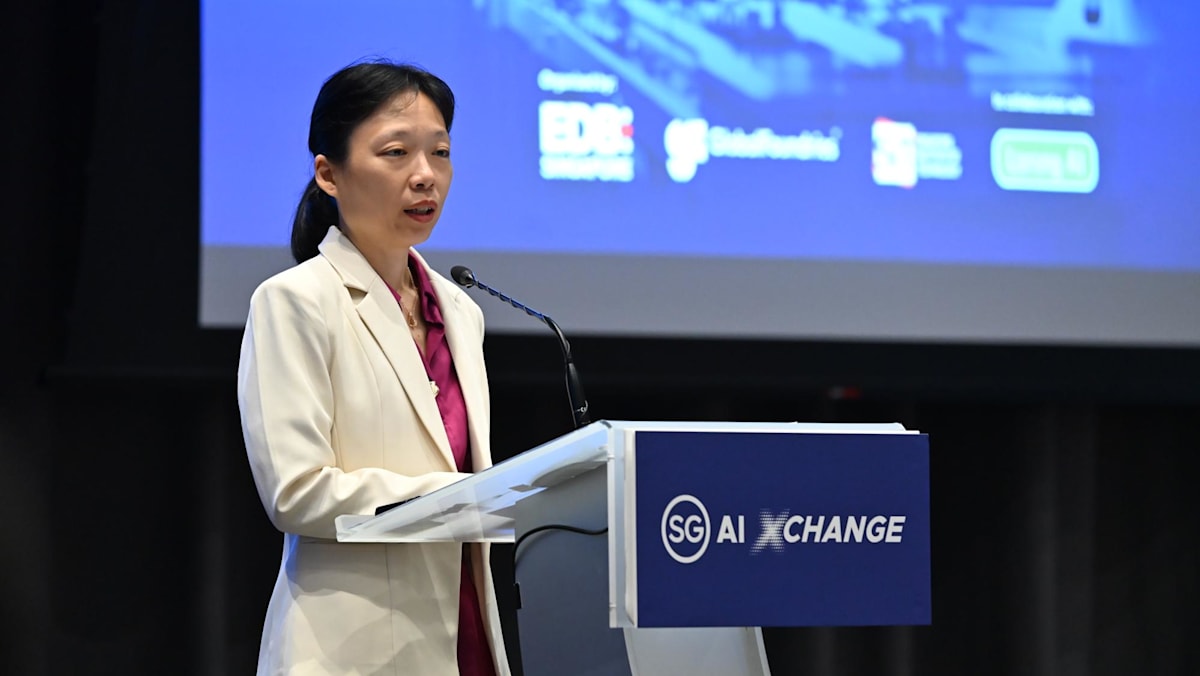
Ms. Jasmin Lau, Singapore's Senior Minister of State for Digital Development and Information, recently stated that companies should increase transparency with their workforce regarding artificial intelligence plans. Her remark, made on September 17, 2026, at the SG AI Xchange launch, emphasized that a 'quiet workforce' should not be conflated with an 'agreeable workforce.' This assertion moves beyond typical labor relations, framing transparency as a critical factor in economic performance and stability, particularly for technology adoption.
The core of Ms. Lau's argument suggests a strategic miscalculation by firms that withhold information about AI integration. While companies might view open communication as potentially disruptive, the alternative—a workforce operating on speculation or misinformation—poses a greater risk to productivity and operational continuity. The issue is not merely about employee morale; it is about the efficient deployment of new technologies. AI adoption requires significant process re-engineering and workforce upskilling. Without clear communication, companies risk resistance, skill gaps, and a slower, more costly transition.
From a corporate perspective, the immediate incentive to withhold details might stem from a desire to manage expectations or avoid premature anxiety about job displacement. This approach, however, often proves counterproductive. A workforce kept in the dark is more likely to develop anxieties that manifest as decreased engagement or even active resistance, undermining the very efficiency gains AI promises. The perceived cost of transparency – potential short-term disruption – is often outweighed by the long-term costs of opacity, including reduced innovation capacity and employee turnover.
Conversely, a strong counterargument posits that early and detailed disclosure of AI plans can create undue alarm, particularly regarding job security, even when such fears are premature or exaggerated. Companies might argue that detailed plans are subject to change and releasing incomplete information could lead to more confusion than clarity. This perspective suggests that a more controlled, phased communication strategy, aligned with concrete implementation milestones, would be less disruptive.
However, this counterpoint overlooks the foundational role of trust in successful technological transitions. If employees perceive that information is being withheld, it erodes trust, making future initiatives harder to implement. Ms. Lau's earlier statements in May 2026 about Singapore's commitment to supporting workers through job redesign and shared gains as AI advances underscore a governmental recognition that managing the human element is central to successful technology integration. The GovTech layoffs in August 2026, described as part of plans to maintain service quality, further illustrate the practical challenges of such transitions, where even necessary adjustments can impact workforce sentiment.
For companies operating in the Asia-Pacific, particularly those in sectors like manufacturing, logistics, and finance, where AI offers substantial operational leverage, the choice is not whether to adopt AI, but how to manage its integration with minimal friction. The economic outcome of AI deployment is increasingly tied to the social contract within the organization. Therefore, the strategic imperative for businesses is to develop robust internal communication frameworks for AI plans, treating workforce transparency not as a compliance burden but as an investment in operational resilience and long-term competitiveness. The stability of a firm's future AI-driven operations will depend on how effectively it navigates this internal dialogue.
Sources
Newsletter
Pacific Daily
A curated briefing from Thailand, Asia-Pacific and the world.