Enclosures and Expectations: The Shifting Boundaries of Home
Recent legal actions concerning animal captivity highlight a tension between private desires and public order in Asia-Pacific cities.
SINGAPORE
The simple act of keeping an animal, once a private affair, is becoming a public spectacle in cities across the Asia-Pacific. A recent case in Singapore saw a 28-year-old woman jailed and fined for illegally keeping animals for sale, marking what CNA described as a first such instance. This event, alongside the highest sentence yet given to a 33-year-old man for a similar offence, suggests a tightening of official scrutiny over what constitutes permissible cohabitation.
Historically, the keeping of animals, whether for companionship, status, or commerce, has been deeply woven into the fabric of urban life in the region. From birds in ornate cages to domestic pets, their presence has often been an invisible part of the city’s rhythm. The legal actions indicate that this unspoken arrangement is now under explicit challenge, particularly where the pursuit of exotic or multiple animals crosses into commercial activity or public risk. The National Parks Board (NParks) in Singapore, for instance, reported seizing 29 cats from an illegal breeder in 2022, underscoring a continuous effort to regulate such practices.
The shift is not confined to commercial breeding. In Europe, a French couple received suspended sentences in 2025 for keeping a panther that reportedly roamed rooftops. While geographically distant, the underlying tension is similar: the private desire to possess, often rare or unusual, animals against the collective understanding of urban safety and animal welfare. The CNA report, focusing on the illegal captivity for sale, places commercial intent at the forefront, suggesting that economic motivations are a key driver in challenging existing norms.
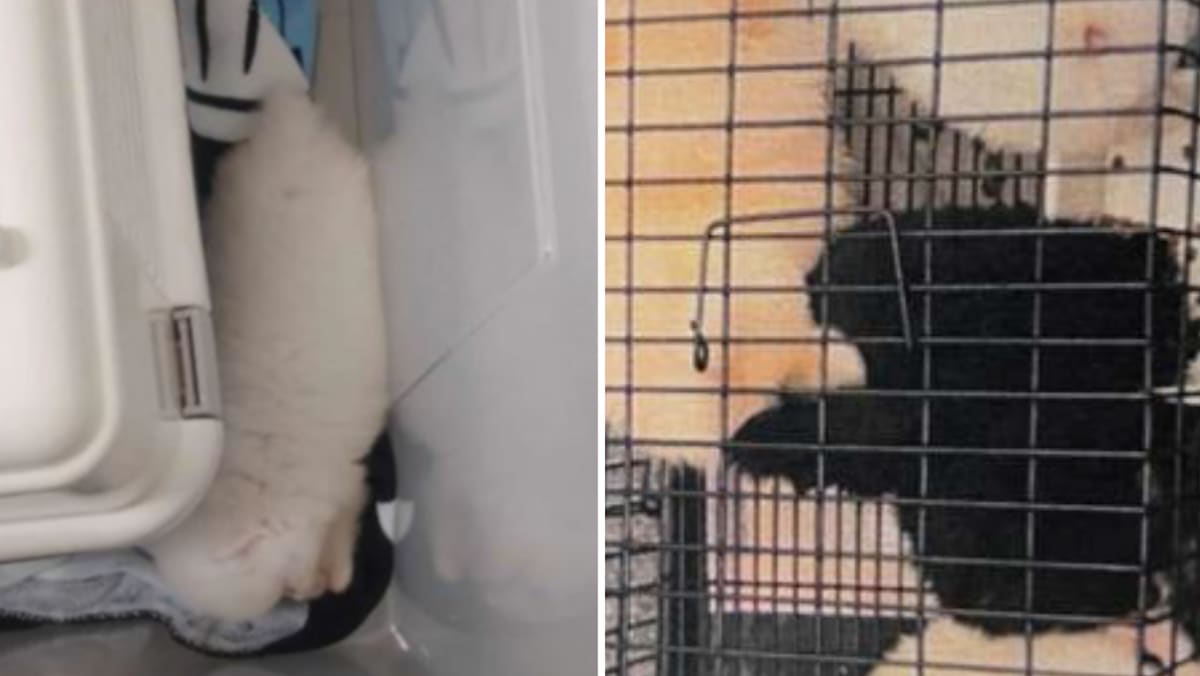
This evolving legal landscape reflects a broader cultural re-evaluation of the human-animal relationship within dense urban environments. What was once tolerated, or simply unnoticed, is now being scrutinized through the lens of public safety, animal welfare, and regulated commerce. The imagery of Pomeranian puppies smuggled from Malaysia and kept in plastic containers, as presented by NParks, offers a stark visual of the conditions that prompt intervention.
The question, then, is not merely about individual infractions but about the habits that first enabled such practices to flourish. Who noticed the shift from companion to commodity, from pet to illicit possession, and what drove the first response? The ongoing legal cases in Singapore, alongside incidents like the panther in France, suggest that the tolerance for domestic menageries is diminishing, replaced by a more formal, and often punitive, regulation of animal presence in the city. The tension between the desire for unique companions and the demands of urban order appears to be a defining characteristic of this era.
Sources
Newsletter
Pacific Daily
A curated briefing from Thailand, Asia-Pacific and the world.