New Shelter Guidelines: A Cost for Asia's Pet Industry
Singapore's regulatory moves suggest increased operational burdens for animal welfare organizations, with economic consequences for related sectors.
SINGAPORE
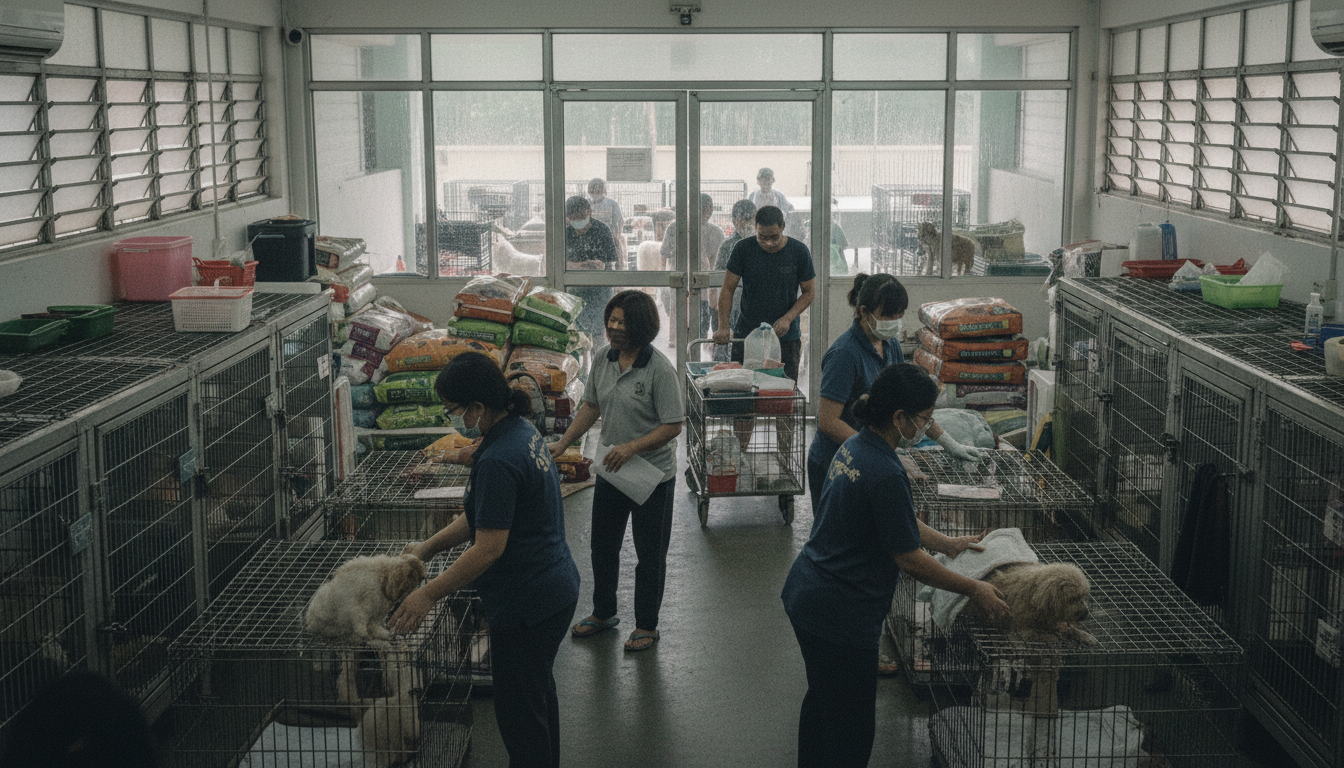
The recent publication of animal shelter guidelines in Singapore marks a shift in regulatory focus, moving beyond individual pet owners to address institutional animal welfare. While framed as a response to past failures, such as the shuttering of Animal Lovers League due to overcrowding and hygiene issues, these guidelines carry economic implications for the broader pet industry, particularly in the Asia-Pacific region.
These new standards, issued by AVS, mandate specific requirements including maximum capacity limits and clear exit plans for animals. This regulatory framework extends beyond basic animal care, imposing operational costs related to infrastructure, staffing, and veterinary services. For existing shelters, compliance may necessitate capital expenditure on facility upgrades or a reduction in the number of animals they can house. For new entrants, the barrier to establishment rises. This is a direct financial signal.
The context for these guidelines includes earlier initiatives like the AVA's 2017 code of animal welfare for pet owners. The current move by AVS, however, applies to organizations, not just individuals. Companies like Walmart have recently expanded into pet care services, including veterinary care and grooming, signaling a growing commercial interest in the sector globally. The Singaporean guidelines will influence the economic viability of similar ventures here. While the focus is on welfare, the practical effect is to codify certain operational standards that will drive costs upwards.
### The Economic Undercurrent
The most immediate impact will be on the operational budgets of animal shelters. Reduced capacity, for instance, means fewer animals can be sheltered, which could strain rescue networks and increase euthanasia rates if other solutions are not found. This, in turn, may lead to higher demand for commercial boarding services or impact the supply of adoptable animals, affecting pet ownership trends. The cost of animal welfare is, therefore, being pushed onto organizations, and implicitly, onto the public through donations or higher service fees for related pet services.
One could argue that these regulations merely ensure humane treatment and prevent situations like the Animal Lovers League closure, which is a desirable outcome. From this perspective, the increased costs are a necessary investment in ethical practice. However, this argument tends to overlook the elasticity of demand for such services and the potential for regulatory arbitrage. If the cost of operating a shelter becomes too high, it is possible that fewer organizations will be willing or able to provide these services, or that operations may shift to jurisdictions with less stringent regulations. The Singaporean market, therefore, faces a balancing act between robust welfare standards and the economic viability of the organizations tasked with implementing them. The outcome will depend on the degree to which funding mechanisms adapt to meet these new operational costs.
Sources
Newsletter
Pacific Daily
A curated briefing from Thailand, Asia-Pacific and the world.