Aichi-Nagoya's Moment: The Asian Games and the Shifting Landscape of Regional Attention
Beyond the medal count, the 2026 Asian Games in Japan mark a subtle recalibration of where Asia looks and what it values.
SINGAPORE
The Aichi-Nagoya Asian Games are underway, drawing athletes from across the continent to compete in events ranging from fencing to virtual taekwondo. This gathering, featuring more than 300 Singaporean athletes among many others, prompts consideration of the event's broader significance for the region.
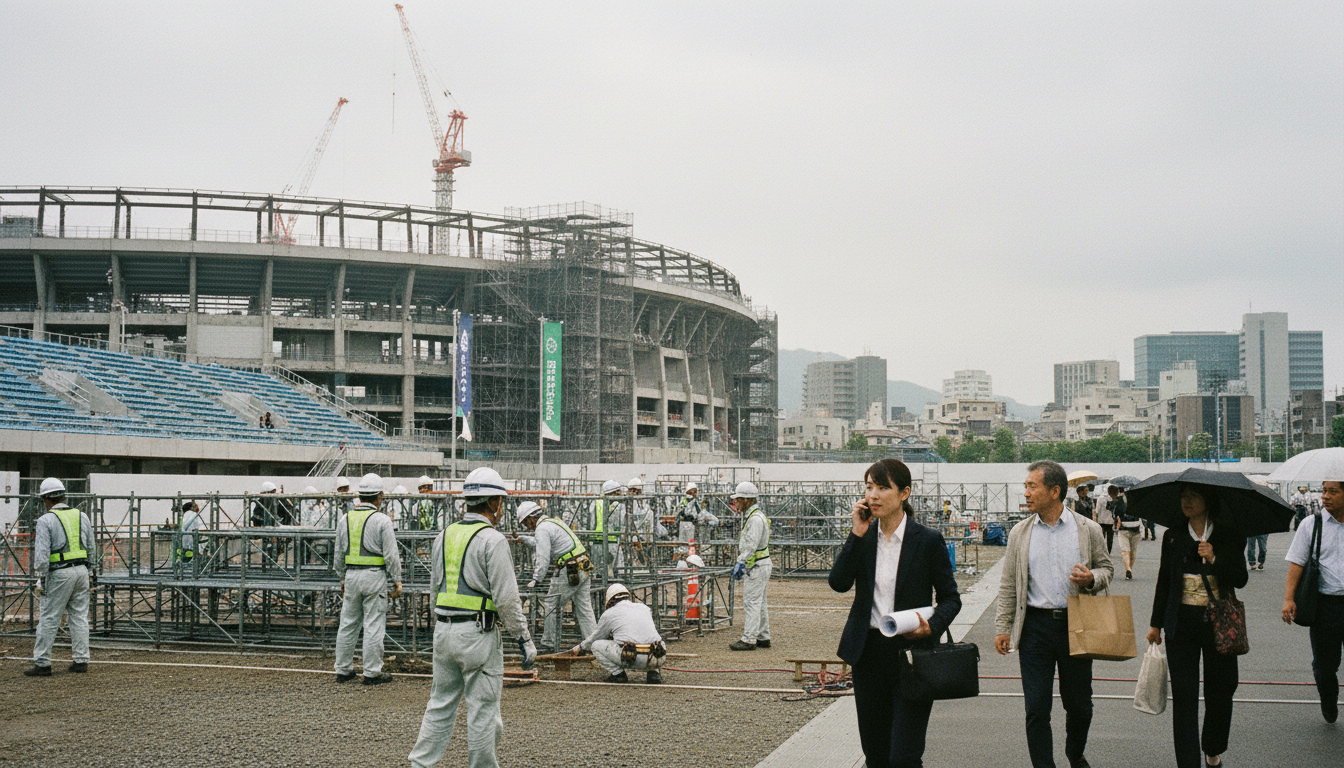
Japan’s role as host, evoking a 'samurai spirit' in promotional efforts, places a cultural frame around the athletic competition. While the spotlight naturally falls on the athletic feats, such as those of fencer Kiria Tikanah and kayaker Brandon Ooi, who serve as flag bearers for Singapore, the host city itself becomes a temporary focal point for Asian engagement. Yet, this focus is not without its operational challenges; reports prior to the opening referenced concerns about athlete accommodation, specifically whether every participant would have a bed. This suggests a practical friction beneath the ceremonial surface.
The inclusion of virtual taekwondo as a debut sport further marks a departure, signaling an adaptation to contemporary interests and digital trends. This addition, alongside traditional disciplines, indicates a nuanced approach to sporting spectacle. Singapore alone sends a significant delegation of over 300 athletes across 27 sports, underscoring the scale of participation from individual nations, with athletes like Gan Ching Hwee competing in events such as the 1,500m freestyle.
For the Asia-Pacific region, these Games represent a recurring moment of collective assembly, albeit one that is increasingly shaped by both established sporting tradition and nascent digital entertainment. The regional gaze, often drawn to large-scale events, settles on Aichi-Nagoya. Yet, this is not merely a celebration of athletic prowess; it is also an exercise in logistical delivery and cultural projection. The hosting demands reveal the complexities of staging an event of this magnitude. While the Games intend to unite, their execution inevitably highlights specific national capacities and priorities.
While the Games are framed as a platform for competition and unity, their success also hinges on the practicalities of hosting. The question of accommodation, for instance, underscores the tangible difficulties beneath the spectacle. The event’s ability to manage such challenges, alongside its embrace of new sporting forms, will determine the lasting impression it leaves. The continent’s attention is in Nagoya; what it takes away will be determined by more than just the results on the field.
Sources
Newsletter
Pacific Daily
A curated briefing from Thailand, Asia-Pacific and the world.