A life ended over 20 baht, and the limits of familial support
A recent death in Pattaya highlights the daily pressures faced by individuals navigating mental health struggles and addiction, often without adequate external structures.
SINGAPORE
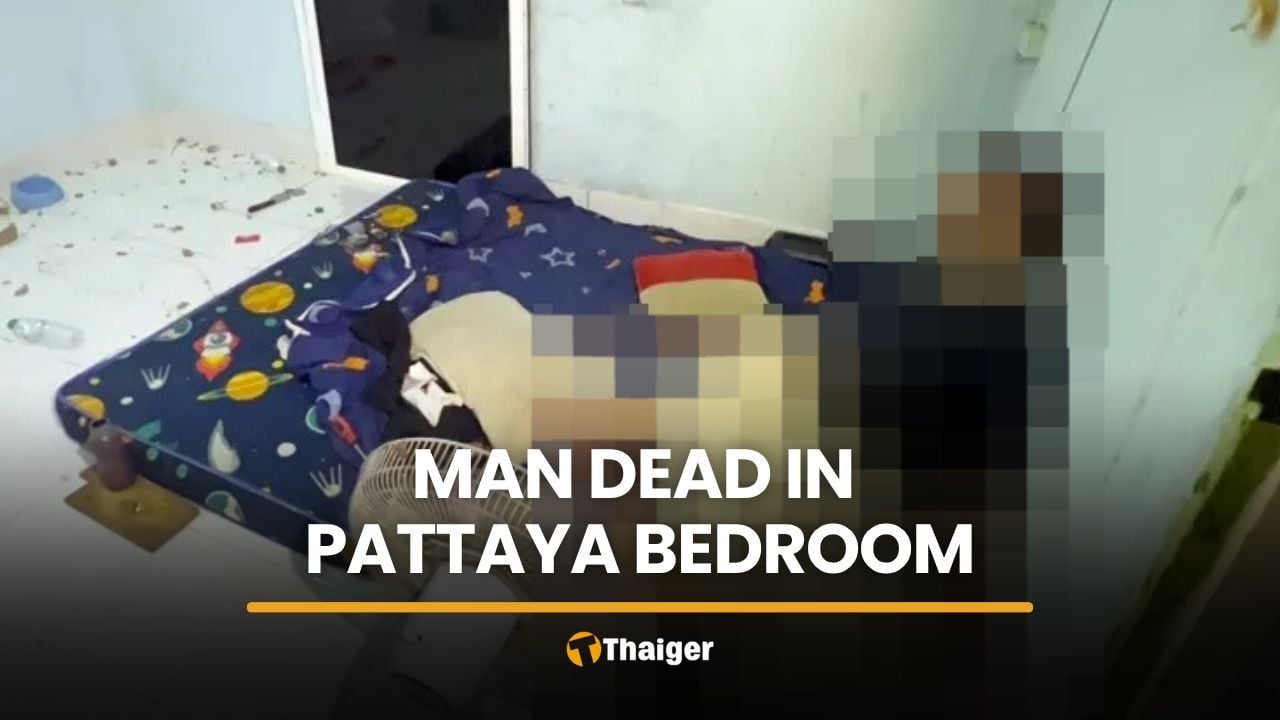
In Nong Prue, Pattaya, a 23-year-old man was found dead in his bedroom on September 21. Rescue workers and police found him hanging after being alerted around 5.30am. Cannabis-smoking equipment was discovered beside his bed.
His 49-year-old mother informed police that her son had depression and a tendency to overthink situations. She stated that he became upset when she declined his request for 20 baht to purchase cannabis. She also mentioned that his phone had been broken for approximately one week, contributing to his isolation. While she asserted he had previously used drugs, she maintained he had stopped. This incident in Pattaya, a city recently noted for a US carrier visit that brought both hope and concerns about sex-tourism risks [5], underscores a different kind of vulnerability.
The mother's account, provided to police, offers the primary context for the event. She describes a son with pre-existing mental health challenges and a history of substance use, whose state was exacerbated by a broken phone and a refusal of a small sum of money for drugs. Her refusal to provide the 20 baht, while understandable in the context of preventing drug use, appears to have coincided with a tragic outcome. The situation suggests a household grappling with complex issues without clear external support structures visible in the narrative.
While this specific case is framed by a parental decision, it points to a wider pattern where the burden of care for individuals with mental health and addiction issues often falls heavily on families. Similar scenarios, where parental or familial actions are implicated in the circumstances surrounding a young person's death, have been reported elsewhere, such as a mother in Hong Kong denying she cut off psychiatric help for her deceased teen [2], or a mother in Wishaw denying responsibility for her daughter's death [3]. These examples, while not directly comparable in detail, illustrate the intense scrutiny and emotional weight placed on family members when such tragedies occur.
The mother's description of her son's depression and overthinking, alongside the broken phone and drug request, presents a picture of a young man experiencing significant personal distress. The cost of such distress is borne directly by the individual, and the repercussions, in this instance, have been terminal. The informal nature of the mother's role as gatekeeper to a 20 baht cannabis purchase highlights a gap where more formal intervention might be expected for an individual described as having depression and a history of drug use.
This incident is not an isolated event but a stark reminder of the limitations of familial support alone when facing severe mental health conditions and addiction. The daily cost of navigating these challenges, often in relative isolation, falls most heavily on those directly involved. It leaves an unresolved tension between the immediate needs of an individual and the capacity of their closest relations to provide appropriate, sustained care.
Sources
Newsletter
Pacific Daily
A curated briefing from Thailand, Asia-Pacific and the world.