A Barista's Palate and the Enduring Pull of Home Flavours
In Hong Kong, a global coffee champion's choice of comfort food reveals how cultural anchors persist amidst evolving tastes.
SINGAPORE
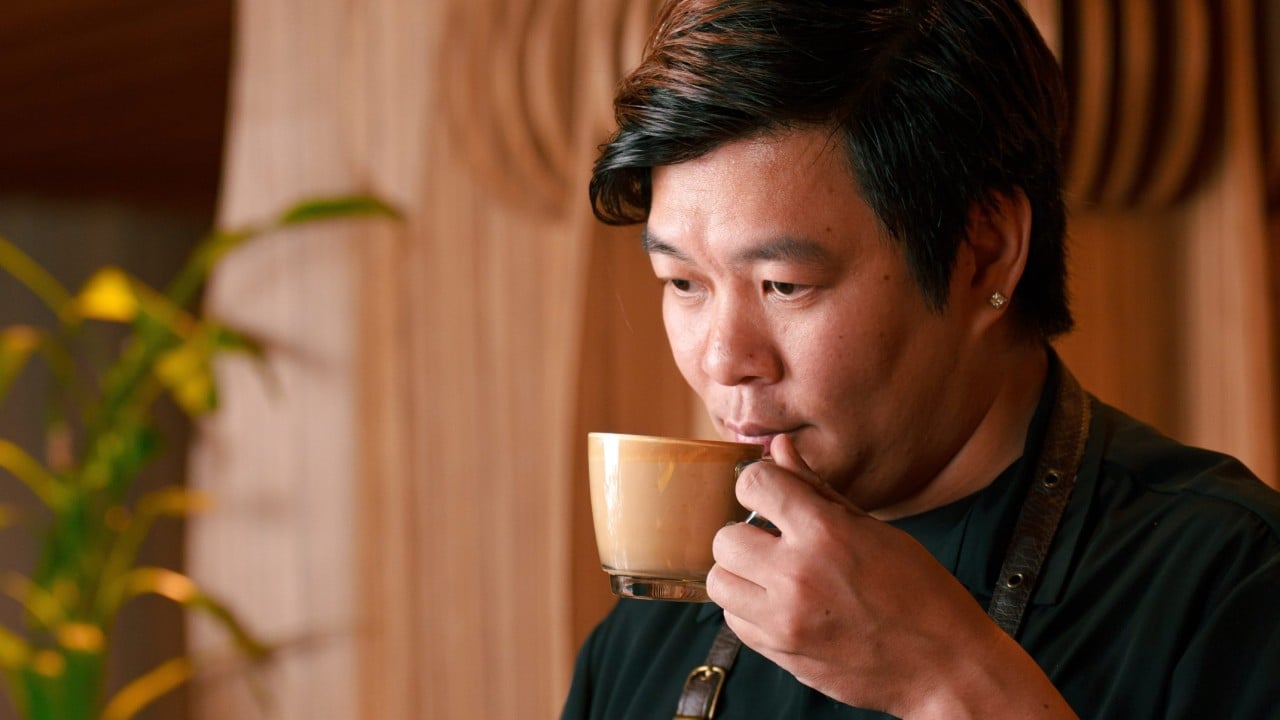
The palate, often perceived as a frontier for exploration, sometimes serves as a compass pointing back to a familiar origin. Hasting Ng, recently crowned global champion at the DaVinci Gourmet Coffee Barista Championship 2025-26, embodies this duality. His professional life involves curating specialty coffee experiences for Finds, a Nordic restaurant in Tsim Sha Tsui, and operating Blossom, a cafe in Kowloon City, suggesting an engagement with contemporary, international culinary trends. Yet, when addressing his personal comfort, Mr. Ng, who spent several years in the US and grew up in Hong Kong, points not to novel fusions or modern gastronomic achievements, but to the cha chaan teng, a local Hong Kong institution.
This choice is more than a preference; it is a statement about preservation. In a city like Hong Kong, continuously recalibrating its cultural identity against global influences, the deliberate return to a cha chaan teng for sustenance highlights the enduring power of established local foodways. While international accolades and sophisticated dining experiences mark Mr. Ng’s professional trajectory, his personal anchor remains rooted in the flavours he encountered during his upbringing. This pattern suggests that even as individuals achieve international recognition in fields that demand an embrace of diverse tastes and techniques, the fundamental elements of their early culinary environment exert a profound and lasting influence.
This dynamic is not unique to Hong Kong but is observable across the Asia-Pacific region. As urban centers develop and global culinary exchanges become more commonplace, the definition of "local" food undergoes constant negotiation. For some, it might mean adapting traditional dishes with contemporary methods; for others, it signifies an unwavering commitment to authenticity as defined by historical practice. Mr. Ng’s assertion that "nothing replaces the familiar flavours" of a cha chaan teng aligns with the latter. It indicates that certain culinary forms possess a resilience that allows them to remain central to personal identity, even when exposed to a wider world of gastronomic possibilities. The global champion, in this context, becomes a quiet advocate for the preservation of cultural memory, expressed through the simple act of choosing a meal.
While there is an undeniable trend towards culinary innovation and the integration of diverse influences, Mr. Ng's stated preference offers a counterpoint. It suggests that despite widespread exposure to varied food cultures, there remains a deep-seated human need for the familiar, for the tastes that signify 'home.' This does not negate the value of evolving food scenes or the pursuit of new culinary expressions. Instead, it illustrates a parallel truth: that the very processes of globalization and international exchange can, paradoxically, reinforce an appreciation for the specificities of local heritage. The global barista champion, through his understated choice, affirms that the past continues to actively shape the present palate.
Sources
Newsletter
Pacific Daily
A curated briefing from Thailand, Asia-Pacific and the world.