Why Vincent van Gogh Stopped in Hong Kong Before New York
The preview of a landscape hidden for half a century reveals how Asian capitals serve global auction circuits without retaining their treasures
HONG KONG
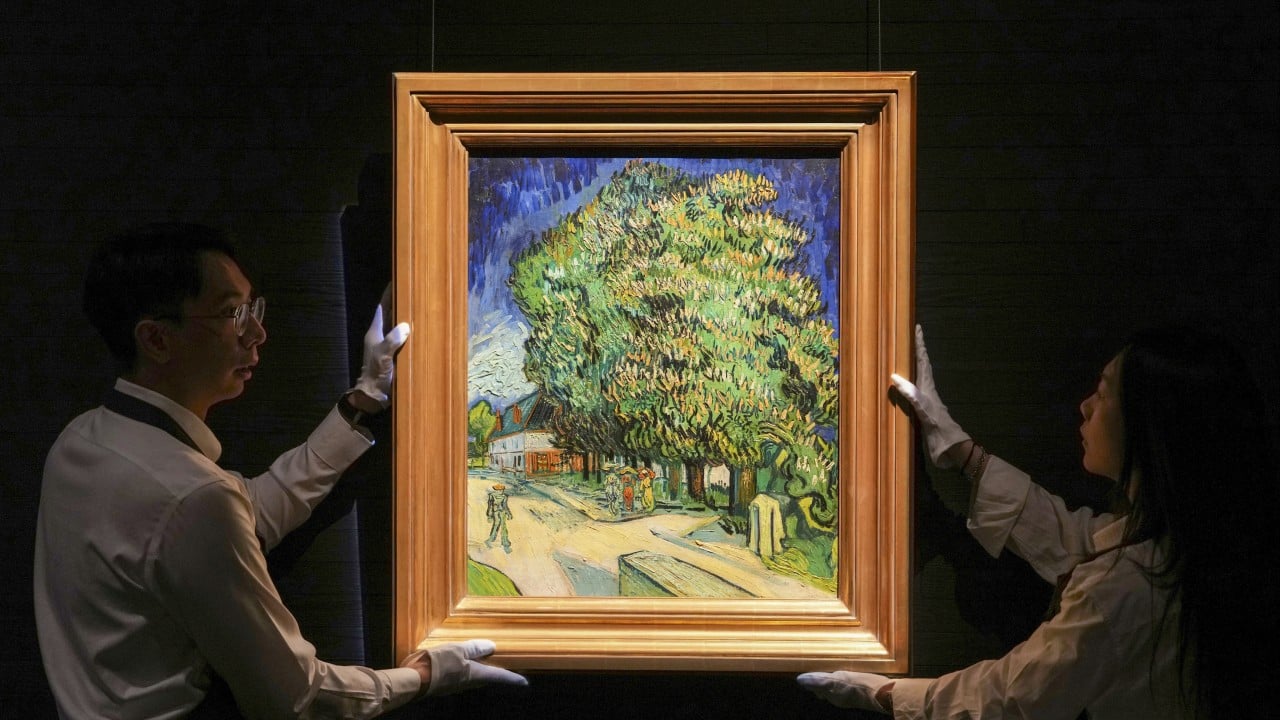
On a gallery wall in Hong Kong, an oil canvas that had eluded public view for more than half a century hangs under temporary exhibition lighting. The landscape, painted by Vincent van Gogh, forms part of a touring preview of Impressionist and post-Impressionist masterworks staged for prospective bidders ahead of an auction in New York. This preview appears meticulously calibrated: a fleeting regional stop engineered around the commercial timetable of an overseas saleroom.
Such preview stops across East Asian financial centres have long served as an established marketing apparatus. Viewing salons in Hong Kong offer proximity to private capital across the region, generating interest among collectors without anchoring the physical property to the city. The artwork touches southern China essentially to stimulate bidding appetite before departing for auction rooms across the Pacific.
The Geography of Transience
Analyzed through the dynamics of the international art trade, this itinerary reflects a persistent geographical asymmetry. Private buyers across Asia routinely underwrite Western modernism, yet major auction houses continue to concentrate the climactic sales events within historic Western salerooms. Hong Kong provides logistical ease and collector access, but the canvases themselves function primarily as transient inventory.
This physical trajectory demonstrates how institutional prestige remains tethered to salerooms abroad. Viewers in Hong Kong receive brief access to a piece kept private for decades, while New York retains the formal sale, institutional attention, and definitive transaction record. The canvas operates in practice less as an enduring civic fixture and more as a mobile store of asset value circulating through international channels.
Auction organisers understandably offer a pragmatic justification for these roadshows. Preview tours, by this logic, allow audiences outside historic auction hubs to inspect rare historical paintings without travelling abroad. A work previously cloistered in a private collection for fifty years becomes visible to students and local observers during its temporary public appearance, offering a cultural encounter that might otherwise remain inaccessible behind closed doors.
Value Beyond the Gavel
Yet that public viewing remains tethered to commercial expediency. A temporary preview differs fundamentally from a permanent museum acquisition that expands the cultural commons of a city. By contrast, recent cultural attention has also turned toward the imperial workshops that once served the Forbidden City in China, showing how historical state patronage fostered craftsmanship intended to remain at the core of civic and political life. Placed beside that historical model, the preview circuit reveals how market logistics reduce rare European modernism to cargo moving along an export schedule.
Auction interest in post-Impressionist art, moreover, does not invariably translate into uncritical commercial momentum. Recent regional auctions have demonstrated that collectors in Asia evaluate masterworks with measured caution, exercising price discipline rather than speculative abandon. Liquid wealth in regional hubs does not guarantee automatic bidding frenzies when economic sentiments shift.
Away from the viewing salon, urban life maintains its distinct cultural gravity, sustained by figures such as Cantopop pioneer Anthony Wong Yiu-ming who anchor community identity. Vincent van Gogh's landscape belongs to a disconnected orbit of international finance. Once the display concludes and packing crates close, the bare gallery suggests an unresolved dynamic: Hong Kong remains an indispensable stage for global art commerce, even while the art itself continues to depart.
Sources
Newsletter
Pacific Daily
A curated briefing from Thailand, Asia-Pacific and the world.