The Eastward Gaze of Western Culture’s Behemoths
The Louvre’s financial outreach to Asia suggests a future where cultural funding reflects shifting global influence.
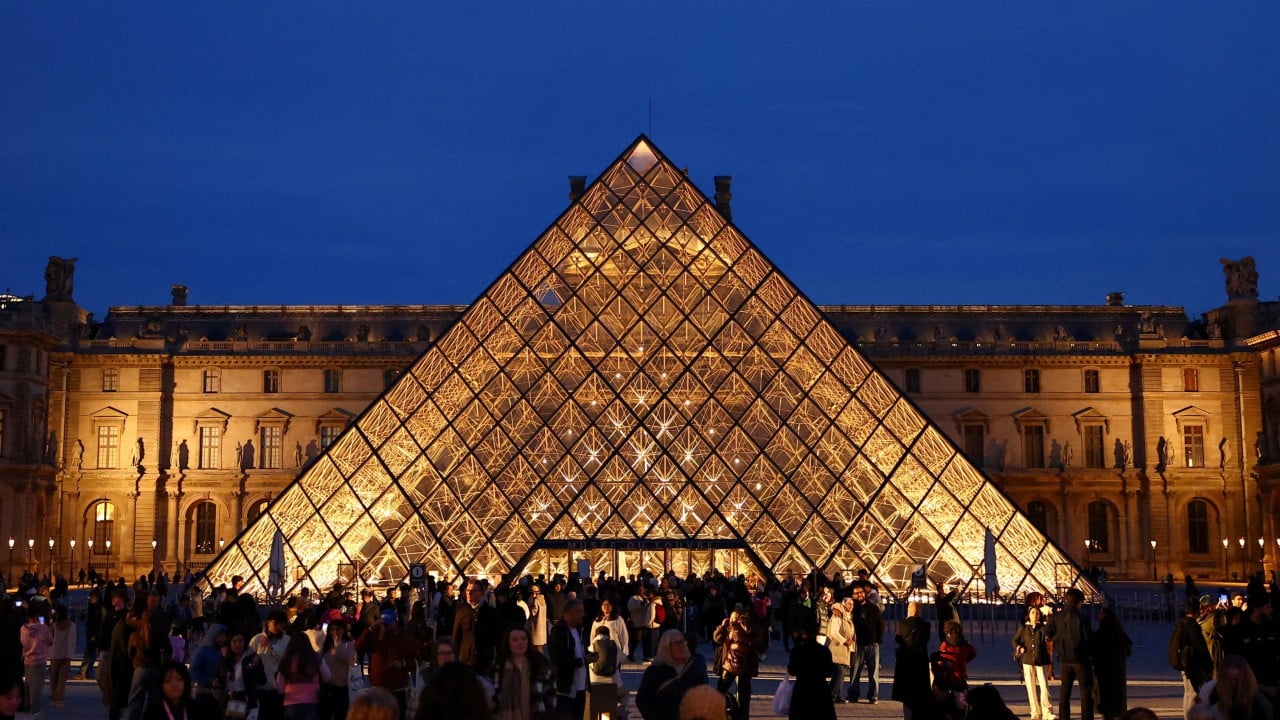
SINGAPORE
Christophe Leribault, the president of the Louvre Museum, arrived in Hong Kong on September 9, following a Renaissance exhibition in Tokyo that showcased Leonardo da Vinci’s *La Belle Ferronniere*. His visit to Asia was to encourage art enthusiasts and potential sponsors to contribute to a planned architectural overhaul of the Paris museum.
This undertaking, estimated to cost more than €1 billion (US$1.2 billion), aims to address issues of overcrowding and to transform the visitor experience. Such an ambitious plan follows a period where the Louvre has seen challenges beyond its sheer visitor numbers. Reports indicate a December 2025 installation of security bars after an October 2025 heist, and a subsequent report in February 2026 citing “chaos” linked to a French leader’s legacy.
The museum’s search for funding from Asian patrons for its Parisian transformation marks a notable shift. Historically, Western cultural institutions have often positioned themselves as repositories of global heritage, attracting audiences and, by extension, resources from across the world. However, an active appeal for direct financial sponsorship from an Asian audience, articulated by the museum’s president, highlights a changing dynamic.
This move suggests that the economic weight and burgeoning cultural patronage in Asia are becoming indispensable for the maintenance and expansion of established Western landmarks. It is not merely about attracting visitors from the East, but about drawing capital. The presence of a major exhibition in Tokyo preceding this funding drive underscores a strategic engagement with the region’s cultural landscape, aiming to cultivate a deeper connection that extends to financial support.
For a region like Asia-Pacific, this presents a complex image. On one hand, it signifies an acknowledgement of Asian affluence and its growing role in global cultural philanthropy. Asian art lovers are being invited to invest directly in institutions that have, for centuries, shaped the narrative of global art. This could lead to greater representation or influence for Asian patrons in these institutions, though Mr. Leribault’s statements did not specify any such reciprocal arrangements.
Conversely, this situation could also be interpreted as a demand for Asian wealth to subsidize European cultural infrastructure. While the Louvre’s challenges, including the need for a new *Mona Lisa* space as announced in May 2026, are internal, the proposed solution casts a wide net globally. The underlying assumption appears to be that the value of preserving and enhancing a Western cultural monument is self-evident and globally shared, irrespective of where the financial burden falls.
What the season, not the marketing, determines here is that the gravitational pull of global capital has shifted. The Louvre’s outreach is not just about a specific architectural project; it reflects a broader recognition that the sustenance of venerable European cultural institutions may increasingly depend on the financial capacity and willingness of patrons beyond traditional Western spheres. The question remains: how will this relationship evolve beyond mere transaction, and what will be the lasting implications for cultural exchange when the very preservation of history relies on a transnational ledger?
Sources
Newsletter
Pacific Daily
A curated briefing from Thailand, Asia-Pacific and the world.