China's 'Jane Eyre' Mandate: A Selective Embrace of Independence
Beijing's latest curriculum choice, requiring ninth graders to read 'Jane Eyre,' presents a nuanced vision of female empowerment that aligns with national goals while overlooking broader implications.
SINGAPORE
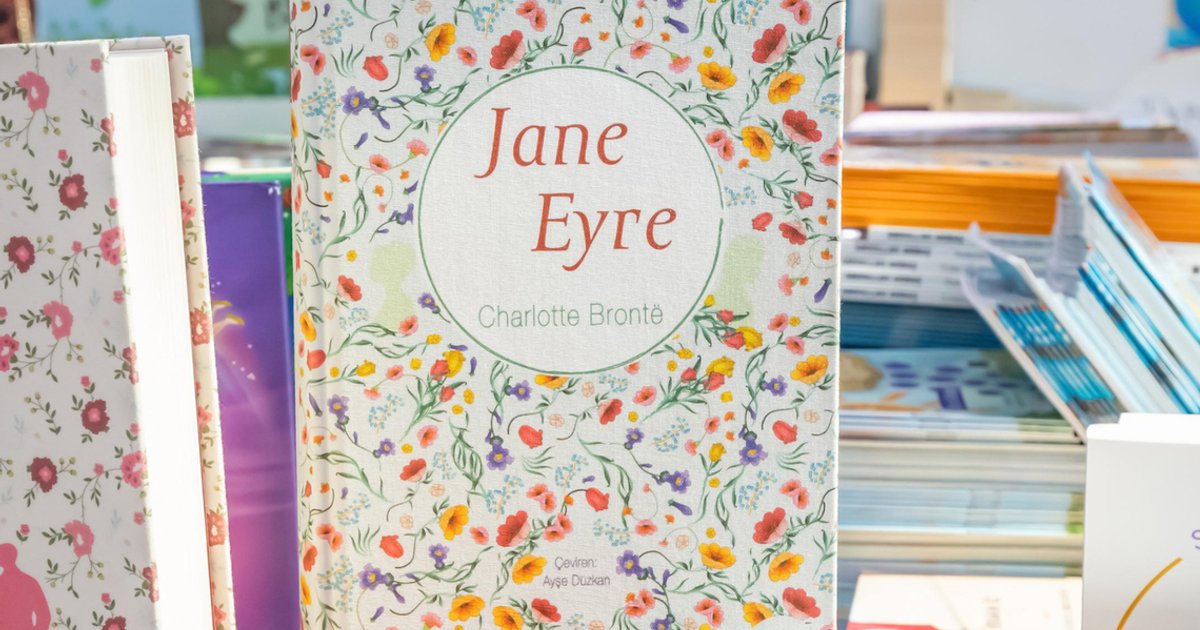
The recent decision by China to mandate Charlotte Bronte’s Jane Eyre for ninth graders reveals a selective interpretation of literary independence. While the British classic has long been popular in China, its new status as required reading aligns with a specific state-sponsored narrative concerning women's roles and family structures.
As reported by The Straits Times Life on October 11, 2026, the novel is now compulsory reading. This move is presented as highlighting themes of independence and equality, aligning with government values on women's roles and family. The core argument is that Jane Eyre's portrayal of an independent woman who ultimately marries and has children fits China's encouragement of marriage and childbearing, particularly amid population decline.
This framing, however, overlooks a significant tension embedded within the text and its adoption. Jane Eyre is not merely a tale of a woman who marries and has children; it is a story marked by profound personal struggle against social constraints, a pursuit of moral autonomy even when it means rejecting conventional paths. Jane’s journey is defined by her refusal to compromise her values, even when faced with destitution or moral dilemma. Her independence is forged through adversity, not simply granted or inherited. The novel celebrates a woman's strength and choice, which extends beyond domesticity.
To emphasize only the eventual marital outcome, as some interpretations suggest, risks reducing Jane’s complex character arc to a state-approved blueprint. While her final choice of marriage and family might be compatible with certain government aspirations, her earlier, more radical choices — leaving Thornfield, refusing Rochester's bigamous proposal, and enduring hardship for her principles — represent a form of independence that challenges authority, not merely adapts to it.
This selective emphasis reflects a broader pattern seen in state-guided cultural initiatives. Narratives are often curated to support current policy objectives, whether implicitly or explicitly. In this case, a classic of Western literature is recontextualized within a framework that prioritizes demographic concerns, such as population decline, alongside aspirations for female strength. It suggests that independence is valuable when channeled into forms that contribute to national stability and growth, rather than potentially disruptive individualistic expressions.
The Straits Times Life noted that despite government control, readers find diverse meanings in Jane Eyre. This observation is critical. The enduring power of literature often lies in its capacity for multiple interpretations, allowing individuals to connect with themes in ways unintended by official directives. While the curriculum might promote a particular reading, students themselves may encounter Jane's uncompromising spirit and draw conclusions that extend beyond the intended lesson plan, particularly regarding her refusal to compromise values. The idea that a single literary work can be universally molded to a singular ideological purpose often proves difficult in practice.
Such an approach to classic literature — highlighting specific themes while downplaying others — is not unique to China. Many nations engage in similar practices, framing educational content to align with national values or current priorities. However, China’s current demographic pressures lend a distinct urgency to its interpretation of texts that can reinforce family structures. The question remains whether the state's intended message of independence within traditional family roles will fully resonate, or if the deeper, more challenging aspects of Jane Eyre’s self-determination will, for some readers, overshadow the prescribed interpretation. The tension between mandated interpretation and individual insight remains unresolved.
Sources
Newsletter
Pacific Daily
A curated briefing from Thailand, Asia-Pacific and the world.