A Discomforting Silence Around Metal's Ideals and Its Reality
The recent reappearance of Marilyn Manson with Slipknot raises questions about accountability within a genre often associated with confronting injustice.
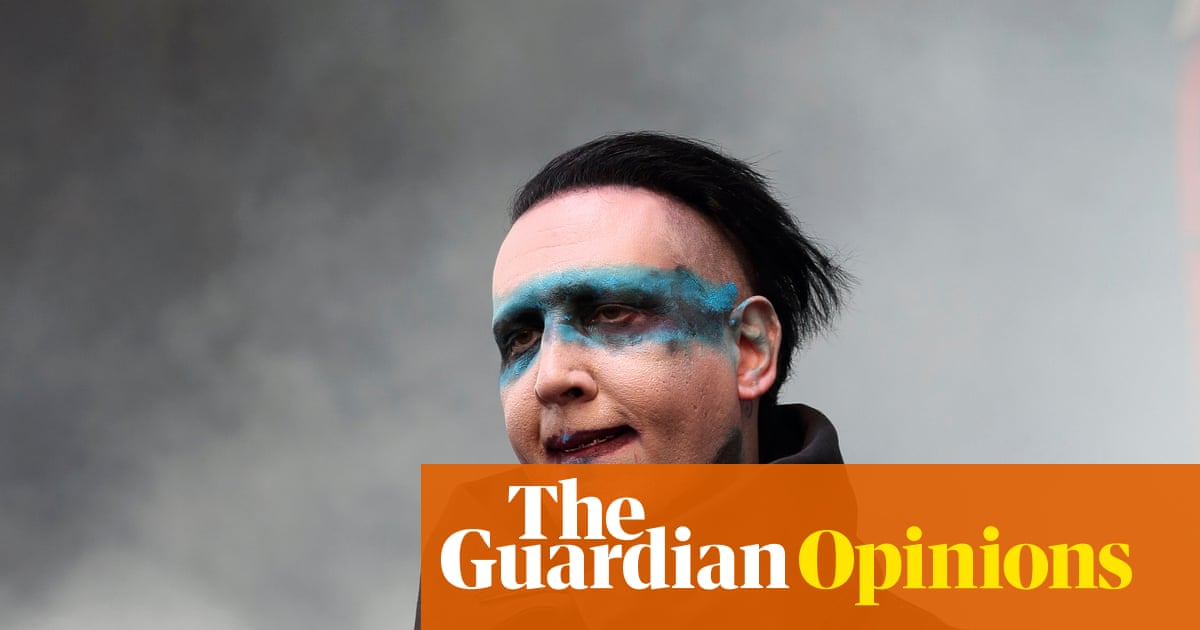
A photograph of Marilyn Manson on stage with the band Slipknot, dated September 30, 2026, casts a stark light on the internal contradictions within heavy metal culture. The Guardian Australia Culture, in its reporting, noted the event in the context of Manson facing accusations of wrongdoing from more than a dozen women. This public appearance, despite his denials and a US judge reopening a sexual assault case against him earlier in 2026, forces a re-examination of what the genre claims to represent.
Heavy metal, as described by Matt Mills, is fundamentally about "uplifting the downtrodden." Its lyrical themes frequently center on challenging authority, exposing hypocrisy, and providing a voice for those on the margins. Bands like System of a Down have mixed "anti-war anger" into their music, and Spiritbox has explored gothic and guttural sounds. This ethos of rebellion and advocacy creates a tension when figures accused of abuse continue to perform without widespread ostracization from peers or audiences.
The industry's response, or lack thereof, to such allegations is not unique to heavy metal. Similar issues have arisen in other music scenes, such as the accusations against former Fat White Family member Saul Adamczewski, reported in August 2026. The question, then, is whether the genre's stated ideals are robust enough to withstand the reality of its participants' actions. When a performer accused of such extensive misconduct is welcomed back onto prominent stages, the implicit message can undermine the very foundations the music purports to uphold.
The phenomenon extends beyond individual artists. It implicates the broader structures that enable or overlook such situations, from promoters to fellow musicians and fan communities. In the Asia-Pacific region, where metal scenes are vibrant and diverse, these global conversations around accountability inevitably resonate. Local artists and fans often navigate cultural nuances while engaging with a genre that historically champions justice. The dissonance between the genre's espoused values and the tolerance shown towards alleged abusers represents a challenge to its integrity. Whether this tension will eventually compel a shift in industry practices remains an open question, with no clear resolution yet evident.
Sources
Newsletter
Pacific Daily
A curated briefing from Thailand, Asia-Pacific and the world.