Narrative as Preservation: Lessons from a Singer's Legacy
Dolly Parton's ability to articulate human experience resonates globally, underscoring the enduring value of specific stories amidst shifting cultural landscapes in Asia-Pacific.
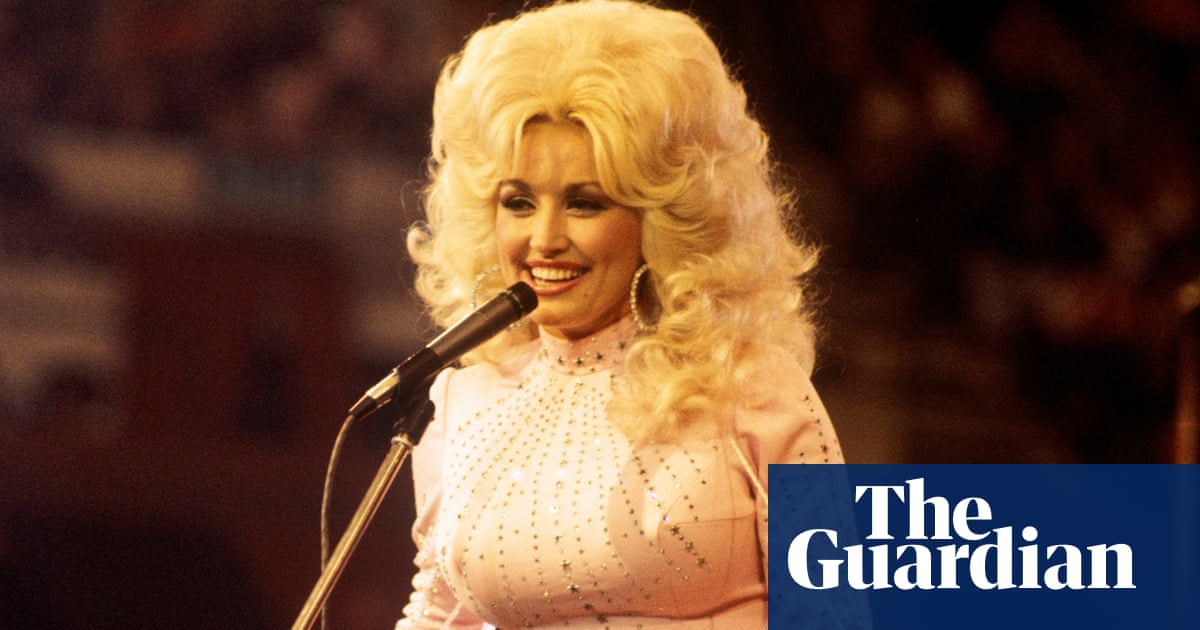
The reported death of singer-songwriter Dolly Parton on August 25, 2026, at 80 years old in Nashville, Tennessee, prompted a global consideration of her body of work. The Guardian Australia Culture characterized her as a "gifted narrative lyricist," noting her particular skill in telling "stories of women’s experiences." The publication’s focus on her "lesser known gems," and their precision in addressing subjects from "heartbreaking spoken word to wry takes on the double standards women face," points to a consistent cultural practice: the communication of human experience through structured narrative.
Parton’s artistry, which presented often-overlooked aspects of life with directness, resonated far beyond her country music origins. Her work offers a specific instance of the enduring power of narrative, a power that finds its own distinct expressions across the diverse cultures of the Asia-Pacific. From ancient oral traditions that transmit moral frameworks across generations, to the intricate storytelling embedded in regional craft forms, the act of conveying human experience through a structured account remains a fundamental human impulse. These narratives are not merely entertainment but vessels for preserving cultural memory, transmitting values, and acknowledging collective realities within a community.
Consider how a locally rooted story, passed down through generations in a specific region, can articulate complex social dynamics or ethical dilemmas with an accessibility that formal pronouncements often lack. Or how intricate patterns on textiles carry layers of meaning, speaking of lineage, status, or spiritual belief within their cultural context. These forms, much like Parton's songs, use specific details to evoke universal feelings, creating a shared understanding between storyteller and audience, bridging individual experiences into a collective consciousness. The Guardian’s analysis, focusing on “deep cuts” or “lesser known gems,” further suggests that impact is not solely tied to widespread commercial appeal, but to the depth of connection forged through specific, relatable truths.
However, this tradition of narrative risks being obscured by the contemporary speed of information consumption. The immediate, often fragmented nature of digital media prioritizes velocity and sensationalism over the slow unfolding of a deeply observed human story. While a figure like Parton achieves global recognition, the more localized, often anonymous storytellers in many Asian societies — whether the village elder, the craftsperson, or the community artist — may find their platforms diminished. The commercial pressures that elevate certain forms of media also shape what kinds of narratives are deemed valuable and widely distributed, potentially sidelining those that do not align with globalized templates. The Guardian's reflection on Parton's narrative gifts therefore provides an occasion to consider what is preserved when specific, grounded storytelling is valued, and what is quietly being replaced when it is not.
The widespread appreciation for Parton’s particular brand of storytelling indicates a persistent human need for authentic accounts of shared experience, even as the global media landscape shifts. This inclination toward stories of perseverance, wit, and vulnerability is a thread that connects vastly different cultural contexts, suggesting that while the forms and specific content may evolve, the fundamental hunger for narrative remains a constant.
Sources
Newsletter
Pacific Daily
A curated briefing from Thailand, Asia-Pacific and the world.