A New Chapter in Singapore's Culinary Landscape, or a Reflection of Deeper Cultural Currents?
Matsuya's arrival in Singapore highlights a nuanced negotiation between global brands and regional tastes.
SINGAPORE
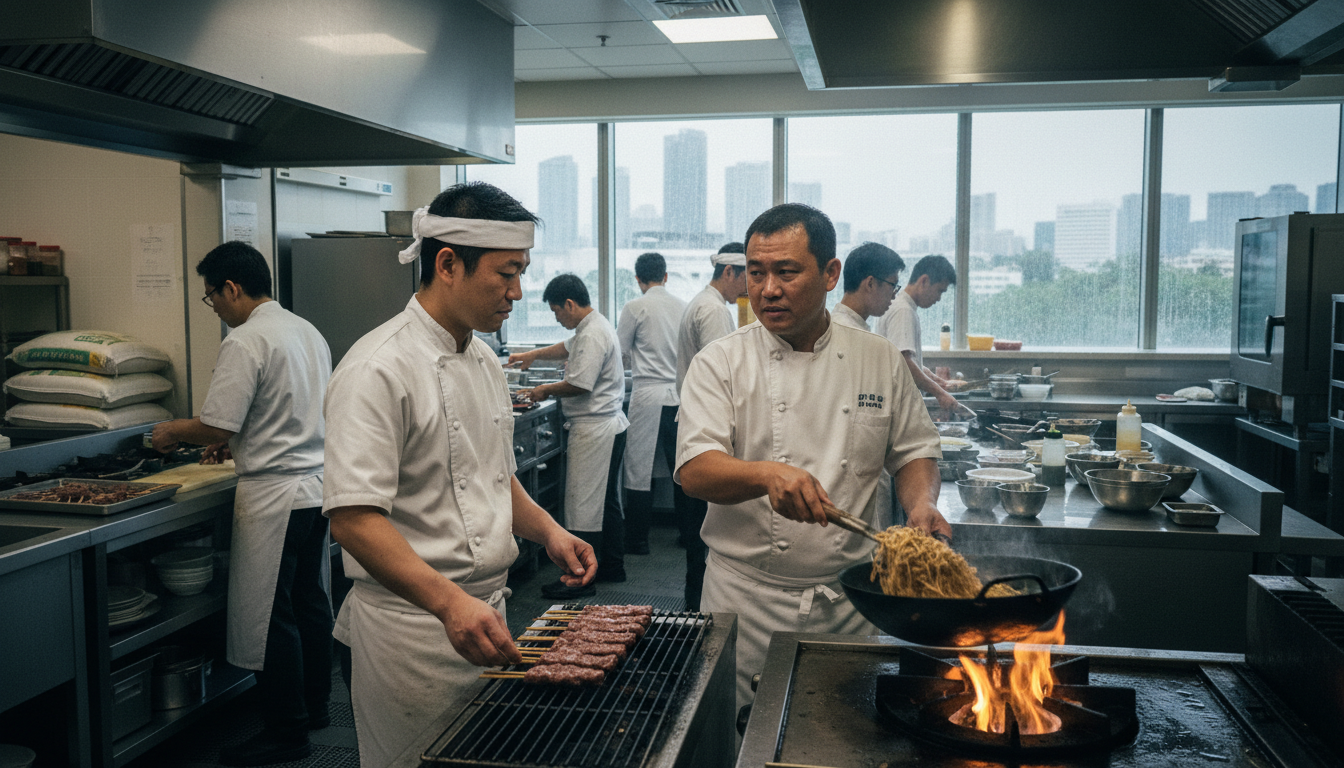
The forthcoming opening of Matsuya’s first Singapore outlet in November 2026, situated at Suntec City, marks a specific event for the Japanese beef bowl chain, established in 1966. This expansion positions Matsuya, a company operating over 1,200 restaurants worldwide and known for its beef bowl with thinly sliced beef and onions in a sweet soy sauce, alongside existing competitors Yoshinoya and Sukiya in the local market. Singaporeans have voiced curiosity about Matsuya's competition and express hope that the quality will be maintained as found in Japan.
Such market entries are often presented as a straightforward expansion of consumer choice, yet they also function as cultural indicators. The arrival of Matsuya in Singapore aligns with a broader pattern of international food brands establishing a presence in the city-state. For instance, the American fast-food chain Chick-fil-A is slated to open in Singapore in 2025. This underscores Singapore's continued function as a regional entry point for diverse food concepts. However, this movement is not unidirectional. Matsuya itself, in 2025, broadened its menu to include Vietnamese broken rice. This suggests a recognition of regional tastes, even within established Japanese brands operating globally.
This interplay of culinary traditions and market dynamics is not always consistent. While new chains enter, other ventures may face challenges in maintaining their foothold. An all-you-can-eat Japanese buffet in Singapore, for example, is scheduled to close in 2025 after nine years of operation. This instance points to the competitive nature of the dining sector and the shifting preferences of consumers. Singapore's appeal as a hub for varied food experiences, from South Korean actor Kim Bum's expressed appreciation for Vietnamese fried pancake and spring rolls, to the anticipation surrounding Matsuya, remains evident. The question arises whether new arrivals merely expand an existing array of options or subtly alter the prevailing culinary expectations.
What this reveals is a dynamic regional demand not solely for novelty, but also for familiar concepts reinterpreted in new settings. The success of Matsuya in Singapore will likely depend not only on its product but on its capacity to navigate the intricate balance between cultural authenticity and local adaptation. The interest in its arrival, coupled with the scrutiny of its quality, indicates a discerning audience whose expectations are shaped by a comprehensive understanding of what specific national cuisines are perceived to offer. This process involves more than just commercial transactions; it represents an ongoing negotiation of cultural identity expressed through food.
Sources
Newsletter
Pacific Daily
A curated briefing from Thailand, Asia-Pacific and the world.