When Global Pop Culture Meets Physical Border Realities
The detention of Kirill Nguyen exposes the fragile separation between transnational online identity and territorial state power
SINGAPORE
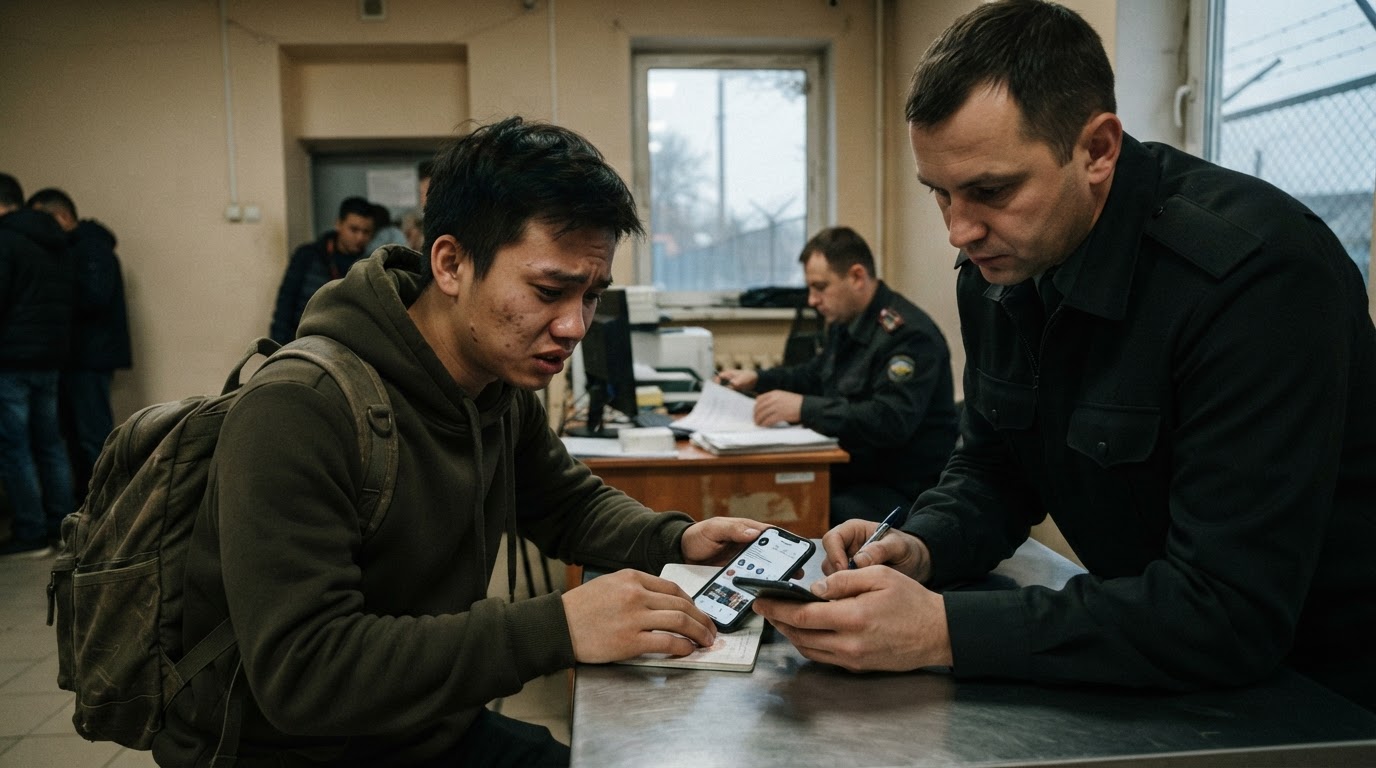
A social feed with more than four million followers went completely dark for two years, and the explanation arrived without corporate spin. In September, Kirill Nguyen posted a brief message explaining that Gaga Daily had halted operations because its creator had been detained in Belarus. The creator of one of the world's most prominent fan channels dedicated to Lady Gaga had spent two years in prison after participating in demonstrations against President Alexander Lukashenko.
Nguyen started the platform when he was just 14, transforming an adolescent obsession into an international hub that gained recognition from the pop star herself. His online presence connected hundreds of thousands of people across continents through albums such as Artpop. Yet the physical reality of living in an authoritarian state wedged between Russia and the European Union proved entirely indifferent to digital reach. When security forces suppressed mass mobilisations that challenged Lukashenko, who has ruled the country since 1994, the boundary between an online pop curator and an active street demonstrator disappeared.
The Illusion of Boundaryless Work
Many digital creators and cross-border workers operate under the belief that remote platforms offer a protective layer against physical surroundings. Producing content for a global audience encourages a sense of detachment from municipal courts, border posts and domestic intelligence agencies. That psychological separation is especially pronounced among diaspora youths whose family backgrounds bridge Vietnam and Belarus.
Sorry about the lack of updates, I was literally in prison
The short sentence Nguyen shared upon resurfacing in Warsaw captures the collision between internet subculture and penal confinement. Authoritarian governance does not negotiate with social follower counts. State security apparatuses linked to Moscow maintain strict physical control over public spaces, regardless of whether a detainee commands four followers or four million.
Some observers might argue that managing an entertainment page should remain entirely separate from street demonstrations, suggesting that high-profile digital workers invite unnecessary risk when engaging in domestic dissent. According to this reasoning, creators whose livelihoods depend on global connectivity ought to maintain strict political neutrality to preserve their platforms. This position assumes that individuals can neatly compartmentalise their daily civic existence from their artistic passions.
Such an argument collapses under the weight of living in a closed political system. When civic rights erode, silence becomes an active compromise rather than a safe haven. Lukashenko, bolstered by Russian President Vladimir Putin after the disputed 2020 elections, left little room for neutral civic life. Nguyen took to the pavement precisely because administrative pressure touches housing, assembly and basic communication.
Territorial Enforcement Over Virtual Reach
Nguyen's eventual relocation to Warsaw highlights an ongoing shift among independent creators. Mobility has become an operational necessity rather than a lifestyle preference. Independent communicators who once operated from shared flats in provincial towns now find themselves navigating exile communities in regional hubs.
Rebuilding a creative schedule after twenty-four months in confinement is not simply an editorial task. Nguyen must now establish legal residency, recover administrative access and rebuild audience trust across fractured platforms. His experience shows that digital influence provides no institutional shield against physical detention.
The durability of modern creative communities will ultimately depend on whether open societies provide refuge for those who speak out. Without secure asylum pathways, digital creators remain vulnerable to the nearest police precinct.
Sources
Newsletter
Pacific Daily
A curated briefing from Thailand, Asia-Pacific and the world.