The Flawed Yield Math Behind Subsidised Seats and Cultural Spectacle
Discounted admission and celebrity promotion can generate foot traffic, but papering over structural venue deficits fails to secure sustained operational solvency.
SINGAPORE
Capital-intensive venues cannot resolve balance sheet deficits by giving away physical inventory for free.
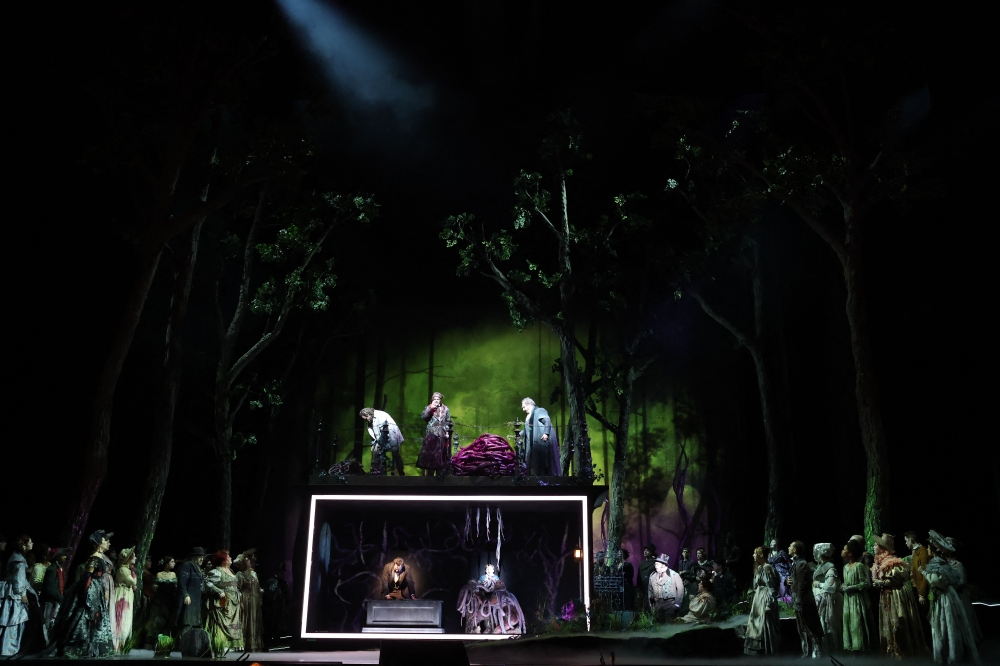
Reports in Oct detailing how the Metropolitan Opera turned to ticket giveaways and celebrity buzz to populate its auditorium illustrate an operational contradiction common to large performance assets. Faced with what reporting documents as severe financial woes, venue management has deployed an outreach strategy framed around opera for all. The commercial instinct to compress admission friction through giveaways creates an optical recovery across the seating rows. Yet in property accounting, every unmonetised seat locks in an irrecoverable overhead burden.
The Subsidised Seat Trap
The fundamental operational problem rests on the yield assumption holding the auditorium together. Performance halls carry exceptionally rigid fixed cost profiles. Physical plant maintenance, mechanical stage operations, acoustic preservation, climate control, and core real estate carrying costs accrue continuously regardless of whether an attendee pays standard market rates or enters via promotional distribution. Distributing admissions below baseline cost produces immediate foot traffic, but foot traffic alone does not service operating liabilities.
Consumer behaviour in urban entertainment districts demonstrates that giveaway recipients rarely convert into repeat, full-fare patrons. Audiences drawn primarily by celebrity appearances or zero-cost entry treat the performance as a transient transaction. They do not purchase recurring seasonal subscriptions, nor do they contribute to capital maintenance funds. Instead, sustained discounting recalibrates consumer price expectations downward, creating stiff resistance whenever venue administrators attempt to reinstate baseline commercial pricing.
Civic balance sheets and philanthropic endowments historically cushioned such operating shortfalls, but modern municipal budgets face competing capital expenditure priorities. When property asset managers evaluate yield across urban cultural districts, grand performance venues must compete against municipal and commercial assets that generate positive cash flows. An institution running operational deficits while depending on promotional spectacles signals structural fragility to civic partners rather than durable recovery.
Real Estate Realities and Patron Conversion
Commercial master planners across expanding regional metropolitan centres observe this friction whenever allocating footprints to anchor cultural facilities. Developers dedicate extensive square footage to performance centres expecting civic animation to elevate adjacent retail revenues and commercial floor valuations. However, if the anchor venue cannot achieve operational solvency through core ticket sales, the surrounding district simply inherits the burden of carrying an unproductive physical structure.
The commercial instinct to compress admission friction creates an optical recovery, yet every unmonetised seat locks in an irrecoverable overhead burden.
Celebrity promotion provides short-term spikes in visibility, but digital attention depreciates rapidly while recurring utility and debt obligations persist. Promotional buzz does not retire accumulated liabilities. For real estate planners, the decisive operational metric is revenue per available seat rather than gross headcounts. Papering over weak commercial demand by inflating volume through non-paying visitors obscures structural insolvency without repairing operating margins.
Institutions navigating severe balance sheet strain must eventually confront pricing discipline and core operating costs rather than relying on promotional stopgaps. The operational outlook for grand cultural venues depends entirely on whether management can realign fixed square footage and rigid physical overhead with genuine, paying consumer demand.
Sources
Newsletter
Pacific Daily
A curated briefing from Thailand, Asia-Pacific and the world.