The European Wolf Surge Exposes the Administrative Limits of Conservation
A reported 58 percent increase in gray wolf numbers reveals that legal protection without pastoral integration creates an unsustainable governance divide.
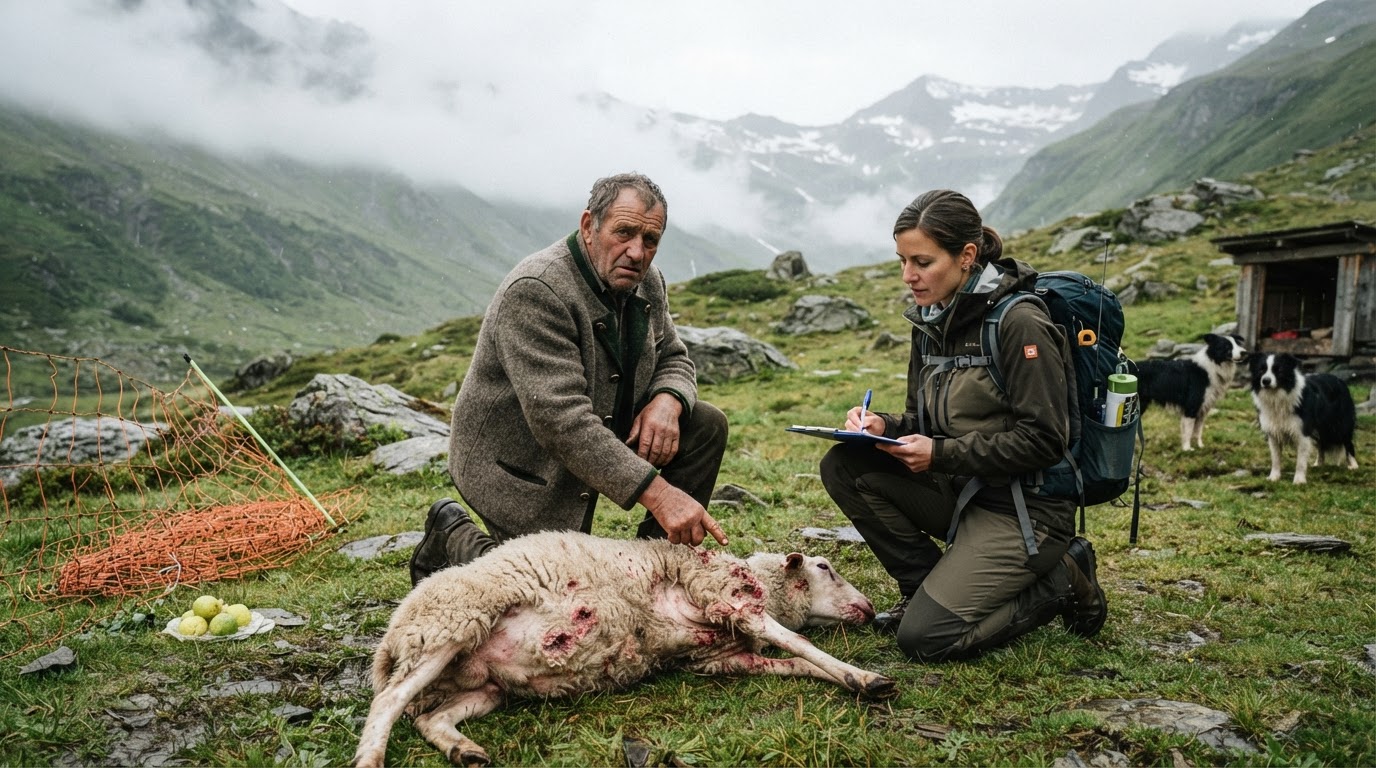
European environmental governance spent decades treating the gray wolf as an administrative absolute. During the 19th and 20th centuries, systematic eradication campaigns rendered gray wolves practically extinct across Western and Central Europe. Subsequent legal protections reversed this downward trajectory over recent decades. Between 2012 and 2022, recorded wolf populations experienced a reported surge of 58 percent across the continent. This ecological rebound indicates a notable demographic recovery for the species, yet recorded patterns suggest it has simultaneously exposed the administrative fragility of conservation policies designed without rural integration.
Legal decrees alone do not produce rural stability.
On the surface, the return of apex predators appears to be a triumph of regional wildlife regulation. Fundamentally, however, the demographic expansion exposes an enduring structural divide between urban legislative priorities and rural agrarian livelihoods. When predator numbers expand faster than rural support systems can adapt, the social contract underpinning state conservation risks fracturing. Coexistence cannot easily be mandated through punitive statutes alone; it appears to require administrative mechanisms that directly resolve economic exposure for primary producers.
The primary friction centers on pastoral production. Wolves sometimes prey on domestic livestock, delivering tangible financial harm to agricultural producers who operate along narrow economic margins. In response, debates across the European Union have grown increasingly polarized between conservation advocates and agrarian constituencies pressing for management flexibility. Social scientist Emu-Felicitas Ostermann-Miyashita, affiliated with the Tokyo University of Agriculture and Technology, observes that managing these tensions requires addressing deep-seated sociocultural dimensions rather than relying solely on biological benchmarks. Her assessment indicates that technical ecological success creates social instability whenever rural communities perceive themselves as excluded from management decisions.
The Arithmetic of Coexistence
Advocates of strict species protection maintain that apex carnivores fulfill vital ecological functions, assisting in regulating prey populations and restoring trophic balance across landscapes. From a biological baseline, the reported 58 percent increase over a single decade indicates that habitat corridors and legal deterrents have functioned effectively. Yet pastoralists carry an asymmetric burden. The broader public enjoys the perceived ethical and environmental benefits of predator restoration, whereas the immediate financial loss from depredation falls on individual livestock owners. Without transparent compensation systems and sustained defense investments, rural tolerance often erodes into unrecorded retaliatory actions or sustained political resistance.
Conservation frameworks succeed only when rural economic survival is treated as an inseparable variable of wildlife protection.
Such systemic tensions are not confined to Germany, Western Europe, or Central Europe. Wildlife corridors across borders present comparable regulatory dilemmas wherever expanding carnivore territories overlap with grazing land and agriculture. When regional authorities enact top-down conservation decrees without providing durable fiscal buffers, they effectively shift the cost of ecological restoration onto vulnerable agricultural producers. Effective governance requires acknowledging that biological expansion inevitably reopens territorial negotiations that 19th-century societies resolved through eradication.
Institutional Capacity and Rural Realities
The crucial question confronting state administrators is whether governing apparatuses possess the institutional capability to sustain coexistence amid rising economic friction. Subsidies for fencing, herd-guarding animals, and prompt compensation remain politically contested and administratively cumbersome across European jurisdictions. As predator distributions widen, conservation bodies face an unresolved structural dilemma: legal enforcement alone cannot substitute for rural economic alignment. Until conservation policy treats pastoral viability with the same institutional weight as species recovery, the friction between agricultural livelihoods and biological restoration appears poised to remain a persistent institutional vulnerability.
Sources
Newsletter
Pacific Daily
A curated briefing from Thailand, Asia-Pacific and the world.