Managerial Churn and Institutional Fragility at Fenerbahce
Emre Belozoglu returns to Istanbul under immediate Champions League pressure, exposing the chronic short-termism of elite club governance.
SINGAPORE
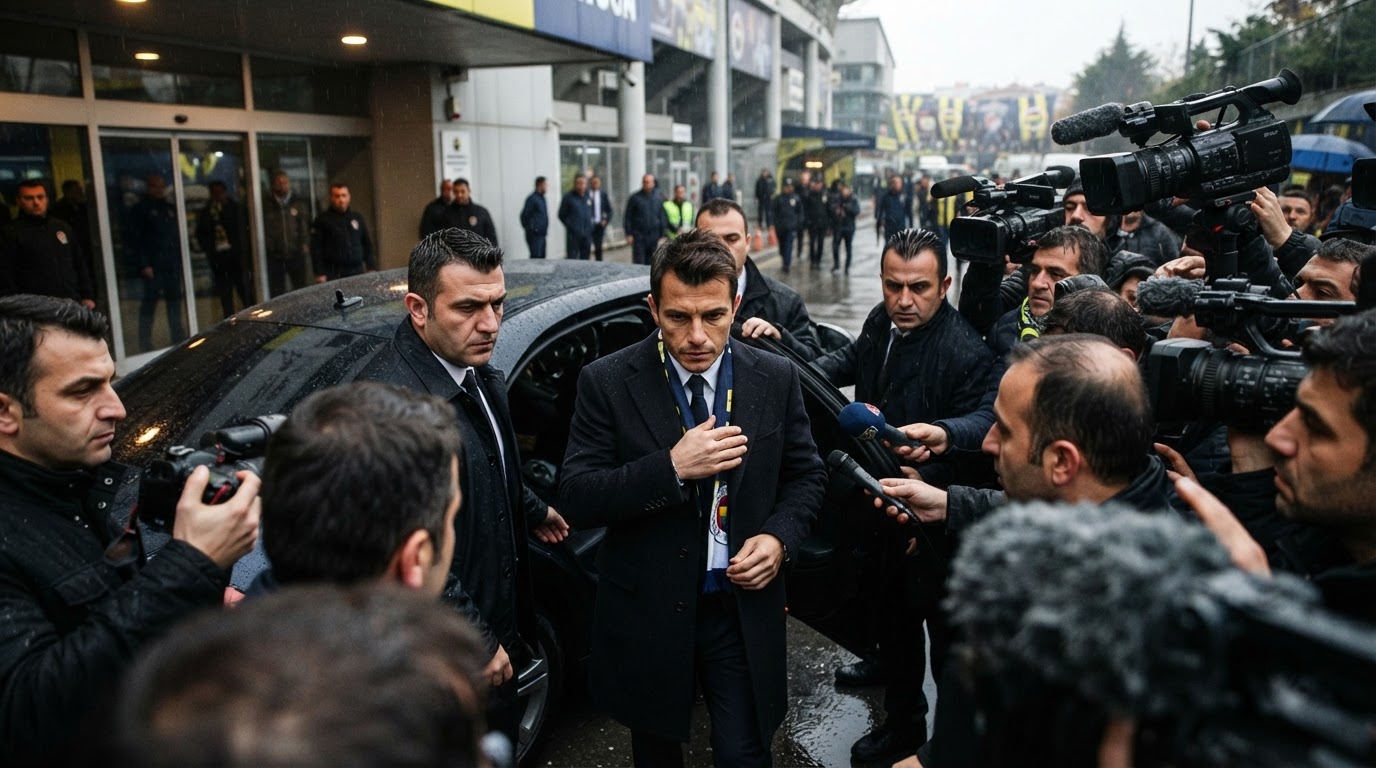
Elite sporting institutions frequently treat leadership continuity as an expendable luxury, preferring rapid executive recycling whenever competitive pressures mount. Turkish club Fenerbahce confirmed that pattern on Tuesday by appointing Emre Belozoglu as head coach. The decision brings the 46-year-old former midfielder back to the Istanbul side, arriving from Kasimpasa to steady a technical bench that has cycled through tactical philosophies with remarkable frequency. Across major leagues, sudden coaching adjustments are routinely presented as decisive interventions, yet historical precedent suggests that managerial churn masks structural vulnerabilities rather than correcting them.
Belozoglu takes the position after Dirk Kuyt completed a brief interim spell, who had stepped into the vacuum left by Ismail Kartal. This return follows Belozoglu's own prior interim stint in 2021, illustrating how insular executive selection remains for clubs operating under relentless domestic and continental scrutiny. Rather than executing an exhaustive structural review or instituting programmatic development, the board opted for familiar personnel capable of absorbing immediate pressure. Recycled appointments provide short-term familiarity to anxious stakeholders, but administrative repetition rarely resolves long-standing competitive deficits.
Continental Demands and Capital Pressures
Immediate fixtures will test whether familiarity can generate tactical durability. Belozoglu faces Liverpool on Wednesday in the Champions League, leaving zero margin for administrative acclimatisation or patient squad conditioning. Contending at this continental tier requires sustained operational coherence across player development, match analysis, and long-term asset management. Previous European fixtures, including an encounter against Aston Villa in the competition, demonstrate the unforgiving physical and technical standards demanded across high-stakes European football. Facing elite opposition on short notice underscores the peril of replacing managers mid-campaign.
Club operational finances remain intrinsically tied to volatile player valuations and precarious transfer receipts. When Lazio signed Muriqi from Fenerbahce for 17.5 million euros in 2020, the transaction highlighted how clubs outside Europe's wealthiest domestic competitions depend heavily on capital gains from individual player sales to maintain balance sheets. Yet chronic turbulence on the coaching bench disrupts athlete development pathways, eroding market valuations and leaving senior squads tactically fragmented. Sustained sporting value requires organisational patience, an asset frequently depleted by panic-driven administrative interventions.
Rapid leadership turnover rarely resolves the underlying friction between commercial sustainability and immediate sporting performance.
Institutional Conflict and Commercial Governance
The persistent technical instability unfolds against an established background of governance friction and commercial disputes. In February 2021, broadcast partner beIN Sports pursued court action against Fenerbahce to halt protests over coverage, demonstrating how structural antagonism can spill into commercial partnerships. Managing an enterprise in modern sports entertainment requires institutional discipline and collaborative media relations, because broadcast revenues establish the budgetary foundation for elite competition. Confrontational positioning risks alienating commercial stakeholders whose capital underwrites long-term club operations.
External commercial partners require consistency, particularly international broadcasters and commercial rights holders distributing content across competitive overseas entertainment markets. When prominent teams alter their managerial direction multiple times within a single campaign, tactical disarray inevitably harms pitch performances and damages brand prestige. Istanbul Basaksehir experienced the painful consequences of disjointed squad dynamics during their Europa Conference League Round of 16 second leg match against KAA Gent at Basaksehir Fatih Terim Stadium in March 2023. Continental exits follow tactical fragmentation, exposing organisations that prioritise expediency over programmatic building.
Defenders of rapid succession argue that appointing an established former player delivers immediate cultural affinity and tactical alignment during intense competition. Familiarity with the Super Lig environment provides Belozoglu with an immediate institutional baseline that an outside tactician would lack. Nevertheless, internal familiarity cannot substitute for comprehensive strategic planning or insulated governance. Belozoglu confronts Liverpool with virtually no preparation, navigating an institutional environment that demands immediate continental success while perpetually renewing the managerial volatility that undermines performance.
Sources
Newsletter
Pacific Daily
A curated briefing from Thailand, Asia-Pacific and the world.