The New Silk Road to Orbit: Pacific Bases Charting Humanity's Cosmic Future
From Polynesian atolls to Australian deserts, a new era of international space cooperation and technological leaps is transforming our access to and utilization of the final frontier.
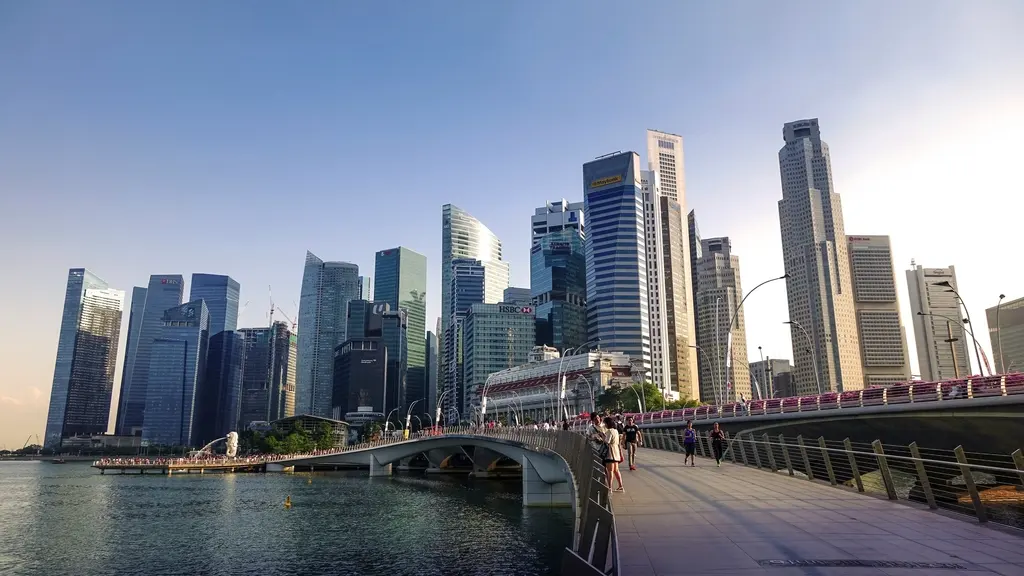
The vast, shimmering expanse of the Pacific Ocean, long a cradle of ancient navigation, is once again asserting itself as a pivotal launchpad for humanity's ambitions. Far beyond its traditional role in global trade, this colossal basin is now the heart of a burgeoning space industry, driven by a confluence of groundbreaking international agreements and astonishing technological advancements. The implications for both space exploration and terrestrial satellite connectivity are profound, reshaping not just how we reach orbit, but how we live on Earth.
Historically, spacefaring nations have favored equatorial or high-latitude launch sites, optimizing for orbital mechanics or minimal population density. Yet, the Pacific rim, from the Kwajalein Atoll in the Marshall Islands to Australia's remote outback, is increasingly becoming a nexus for a new generation of launch providers. This shift is not merely geographical; it is geopolitical and technological. Smaller, more agile rockets capable of 'responsive launch' – deploying satellites within days or even hours – are decentralizing access to space. Companies like Rocket Lab, with its Mahia Peninsula launch complex in New Zealand, exemplify this trend, offering frequent, dedicated missions that bypass the traditional behemoth rocket cycles.
Crucially, these technological leaps are underpinned by evolving international frameworks. The Outer Space Treaty of 1967 remains the bedrock, but newer bilateral and multilateral agreements are filling critical gaps, particularly concerning debris mitigation, spectrum allocation, and the burgeoning 'space tourism' sector. Consider the Artemis Accords, a U.S.-led initiative that, while not universally adopted, establishes principles for lunar exploration and resource utilization. Its growing list of signatories, many from the Pacific region, signifies a collective desire for a rules-based order in an increasingly crowded orbital environment. Such agreements are not just about exploration; they provide regulatory certainty for the private capital pouring into ventures like satellite internet constellations, orbital manufacturing, and asteroid mining.
The demand for satellite connectivity, especially in remote Pacific island nations and underserved rural areas globally, is a primary driver. Megaconstellations like SpaceX's Starlink, OneWeb, and Amazon's Kuiper promise global, low-latency internet access, transforming education, healthcare, and disaster response. The sheer volume of satellites required for these networks—tens of thousands—necessitates frequent, reliable, and cost-effective launch capabilities. This is where Pacific bases shine, offering diverse launch azimuths and ample downrange safety corridors over unpopulated ocean, an invaluable asset for high-cadence operations.
The Pacific is no longer just a backdrop to space; it is becoming the very stage upon which humanity's next cosmic act will unfold.
However, this rapid expansion is not without its challenges. The proliferation of satellites raises concerns about orbital congestion and space debris. International bodies like the ITU are scrambling to allocate radio frequencies and orbital slots to prevent signal interference and potential collisions. The 'Kessler Syndrome' – a hypothetical cascade of collisions – remains a stark warning. Therefore, robust international cooperation on space traffic management and the development of sustainable orbital practices are paramount. New technologies for on-orbit servicing, refueling, and debris removal are not futuristic fantasies but urgent necessities, with significant R&D investment globally.
The Pacific region’s role extends beyond just launch. Its strategic location makes it ideal for ground stations, telemetry tracking, and command and control centers that communicate with orbiting assets. Australia, in particular, is investing heavily in space infrastructure, aiming to become a regional hub for Earth observation, remote sensing, and satellite communications. This creates new economic opportunities, fosters scientific collaboration, and enhances regional security through improved maritime surveillance and climate monitoring.
As the world looks skyward with renewed vigor, the Pacific's unique geography, combined with forward-thinking international policies and disruptive technologies, positions it as an indispensable gateway. It is a region not just observing the future of space, but actively shaping it, transforming the ancient routes of discovery into launch corridors for a truly global, space-enabled civilization. The new silk road to orbit begins here, charting humanity's cosmic destiny from the shores of the world's largest ocean.
Newsletter
Pacific Daily
A curated briefing from Thailand, Asia-Pacific and the world.