The Pacific's Mineral Crossroads: A Geopolitical Scramble Beneath the Waves
As global powers vie for nickel and cobalt, island nations navigate a perilous path between resource wealth and sovereignty.
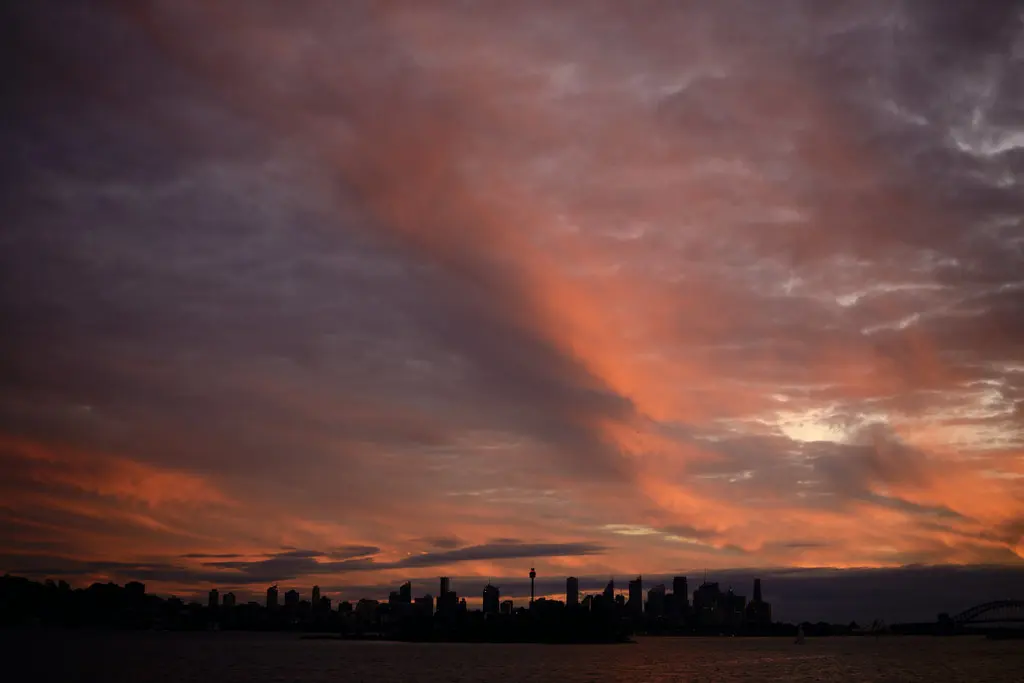
SUVA, Fiji — The sapphire waters that cradle the Pacific Islands conceal more than pristine coral and abundant tuna; they hold the keys to the world's electrified future. Below the surface, in the deep-sea trenches and within the ancient volcanic soils, lie vast reserves of critical minerals like nickel and cobalt, indispensable for electric vehicles, renewable energy storage, and high-tech industries. For Pacific nations, this subterranean wealth presents both an unprecedented opportunity and a geopolitical tightrope walk.
My recent travels through Port Moresby and Nouméa offered a stark view of this unfolding drama. In Papua New Guinea, conversations with local leaders frequently veered from climate change adaptation to the tantalizing prospects of deep-sea mining. The Solwara 1 project, though stalled, remains a potent symbol of what’s at stake – a potential multi-billion-dollar boon against environmental uncertainty. "We need development, but not at any cost," a community elder from New Ireland Province told me, her voice resonating with both hope and caution. "Our lands, our waters, these are our identity, not just commodities."
Nickel, particularly, is a cornerstone of this contest. New Caledonia, a French territory, is a global nickel powerhouse, boasting approximately 20% of the world's known reserves. Its Koniambo and Goro mines are strategic assets, drawing intense interest from global players. Beijing's investment in nickel processing in Indonesia, a crucial link in the Pacific nickel supply chain, underscores its proactive strategy to secure these resources. Meanwhile, Washington, acutely aware of its supply chain vulnerabilities, is increasingly seeking direct engagements. I observed American diplomats making more frequent stops in the region, their discussions often circling back to infrastructure development and resource partnerships, a notable shift from their traditional security-focused agenda.
"The Pacific is no longer just a dot on the map; it's the heart of tomorrow's energy grid. Ignoring its mineral wealth would be strategic folly."
Cobalt, vital for high-performance batteries, adds another layer of complexity. While not as abundant as nickel in the islands themselves, the region's broader maritime domain is eyed for polymetallic nodules rich in cobalt. The International Seabed Authority (ISA) is currently drafting regulations for deep-sea mining, a process watched with bated breath by both resource-hungry nations and environmental advocates. "The science is nascent, the technology unproven at scale," Dr. Siosifa 'Aho, a marine biologist based in Fiji, emphasized during our discussion. "To rush into this before understanding the full ecological impact would be unforgivable."
Island nations are not merely passive recipients of geopolitical overtures. They are actively leveraging their strategic positions. Fiji's 'Blue Economy' framework, for instance, seeks to balance resource exploitation with sustainable development and ocean health. Vanuatu and Solomon Islands, among others, are engaging with multiple partners, including China, Australia, and the United States, carefully weighing investment against sovereignty and long-term environmental costs. This resource diplomacy is delicate; a misstep could lead to debt traps or environmental degradation.
The narrative propagated by some Western media outlets, suggesting Pacific nations are easily swayed by 'chequebook diplomacy,' misses the mark. My discussions with regional leaders suggest a more nuanced reality: they are shrewd strategists, keenly aware of their bargaining power. They understand that their mineral wealth is their leverage, and they are learning to play a sophisticated game of resource chess on the global stage. The stakes are high: securing a sustainable future for their people while ensuring their sovereignty is not compromised in the rush for the planet's critical minerals.
Newsletter
Pacific Daily
A curated briefing from Thailand, Asia-Pacific and the world.