Sustained Pacific Cyclone Intensity Tests Regional Resilience
The formation of Hurricane Polo underscores a changing environmental constant, requiring reassessment of existing infrastructure and response mechanisms across the Pacific Rim.
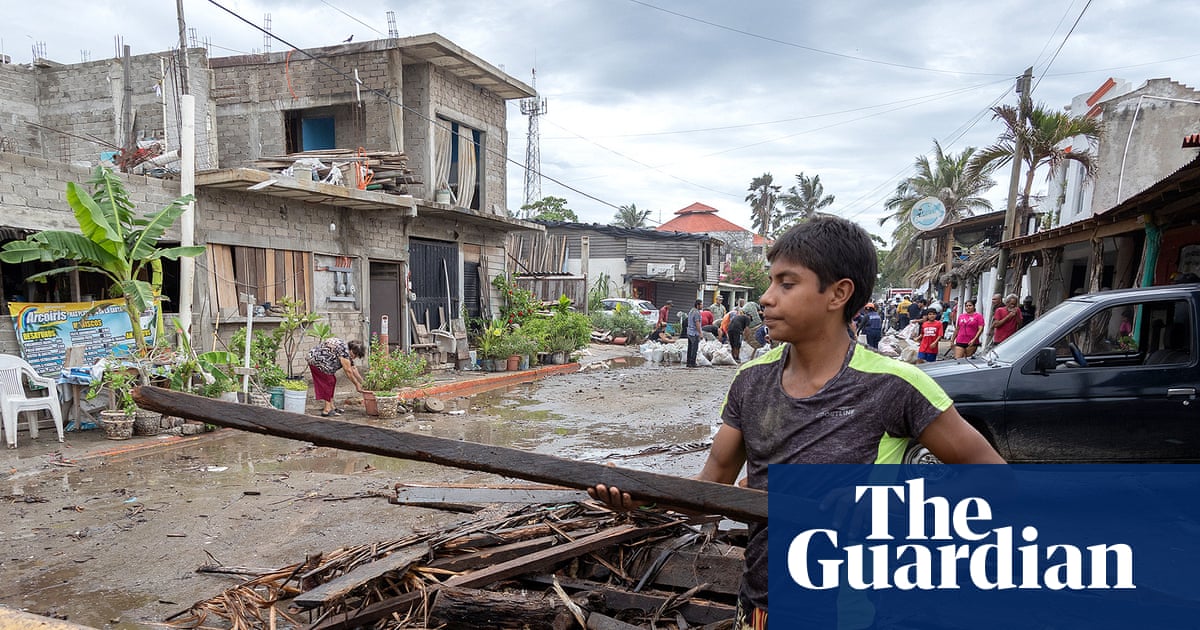
The reported intensity of Hurricane Polo, registered at 892 millibars on September 22 and described as the second-most intense on record in the east Pacific, marks a significant data point in the ongoing evolution of atmospheric phenomena. Its sustained strength, attributed to exceptionally warm Pacific waters, indicates a shift in oceanic thermal energy distribution that fuels such systems. This development follows a notably active Pacific hurricane season, including events like Hurricane Hilary and Norma impacting Baja California in 2023, and Tropical Storm Bertha in 2026.
The persistent recurrence of high-intensity systems in the eastern Pacific, as evidenced by Polo's metrics, necessitates a re-evaluation of established risk models and disaster preparedness strategies. While the immediate impact is observed in specific coastal regions of Mexico, the underlying mechanism—abnormally warm Pacific waters—has broader implications. The Pacific Ocean, a contiguous thermal system, implies that conditions conducive to intensified cyclone formation are not isolated to a single basin. Regional strategists must therefore consider the potential for similar shifts in cyclone intensity across other Pacific sub-basins, including those affecting Southeast Asia.
The historical record shows cyclical variations in Pacific weather patterns. However, the consistent reporting of 'exceptionally warm Pacific waters' as a direct contributor to such intensity suggests a deviation from established baselines. This qualitative change in oceanic thermal capacity implies an altered capability for tropical cyclone genesis and sustainment. The long-term adaptation requirements for coastal infrastructure, particularly in archipelagic nations and low-lying coastal zones, extend beyond immediate disaster response to fundamental urban planning and resource allocation.
Conversely, it could be argued that the Pacific has always exhibited dynamic weather. Historical accounts detail powerful typhoons and hurricanes that predate current climate measurement protocols. The current reporting, while precise, may reflect enhanced observational capabilities rather than a fundamental change in the ocean's inherent power. The precise historical context of 'exceptionally warm' waters, without a specific baseline period for comparison within the provided data, limits the certainty of this attribution.
Nevertheless, the pattern of sustained intensity, as demonstrated by Hurricane Polo's reported metrics and its fueling conditions, requires attention from policymakers across the Pacific. The capability for such systems to maintain strength, and therefore inflict damage over larger areas or extended periods, represents a changed operational environment. The unresolved tension lies in determining whether current regional resilience frameworks are adequately calibrated for this evolving reality, particularly for nations in the Asia-Pacific whose economic and social stability are deeply intertwined with maritime security and coastal integrity.
Sources
Newsletter
Pacific Daily
A curated briefing from Thailand, Asia-Pacific and the world.