Sino-US Diplomatic Tone Shift Offers Unresolved Constraints for Asia-Pacific
The recent state dinner between President Trump and President Xi Jinping signaled a rhetorical alignment, but economic indicators for regional stability remain unchanged.
SINGAPORE
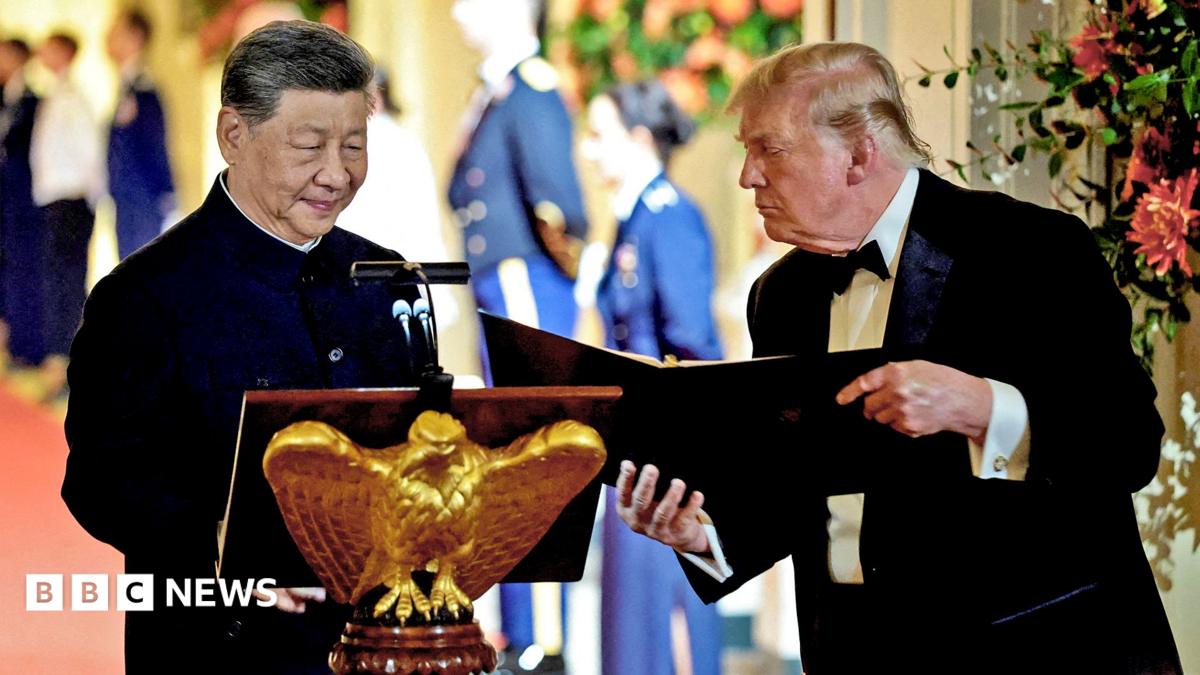
The White House state dinner on September 25, 2026, saw US President Donald Trump and China's President Xi Jinping articulate a public commitment to improved bilateral relations. President Trump stated they had “never gotten along better,” while President Xi emphasized that the two nations “must act as responsible major countries to meet the expectations of our peoples.” This public display, characterized by toasts to “harmony, peace and success,” indicates a shift in diplomatic tone, moving away from previous public acrimony.
From a business perspective, the rhetoric of renewed friendship and shared responsibility between the world's two largest economies warrants examination against actual economic trajectories. While the leaders’ statements suggest a desire for stability, the economic underpinnings for the Asia-Pacific region, particularly trade flows and investment, are not immediately altered by diplomatic pleasantries. The region's businesses and governments frequently calibrate their strategies based on the perceived stability of the US-China relationship. A detente, however rhetorical, could imply a reduction in trade friction or a clearer investment climate.
However, the immediate impact on tangible economic outcomes remains unquantified. Experts cautioned that President Xi’s visit had not yet yielded “obvious progress on pressing issues.” This assessment, issued by experts after the dinner, suggests that the public pronouncements of friendship may not correlate directly with advancements on substantive economic or geopolitical concerns. For Thailand and other Asia-Pacific economies, which are deeply integrated into global supply chains and rely heavily on both US and Chinese markets, the absence of concrete agreements on trade tariffs, market access, or intellectual property rights means the underlying risks persist.
Consider the ongoing challenges related to trade imbalances or geopolitical competition. These issues, which directly affect regional stability and trade routes, received no specified resolution in the public accounts of the dinner. The rhetoric of “responsible powers” does not automatically translate into policy adjustments that would benefit regional economies by mitigating these specific tensions.
The critical constraint for the Asia-Pacific, therefore, is the disjunction between the declared intent for greater cooperation and the continued lack of defined progress on specific economic and geopolitical points of contention. While the shift in tone might reduce immediate political volatility, the practical implications for trade, investment, and regional security remain dependent on subsequent policy actions, which have yet to materialize. The outcome for Thailand and its neighbors now depends on whether this diplomatic warmth translates into measurable agreements, rather than merely reflecting a desire for improved optics.
Sources
Newsletter
Pacific Daily
A curated briefing from Thailand, Asia-Pacific and the world.