Mpox and the Vulnerable: A Disturbing Signal from West Africa
An outbreak in Guinea-Bissau, marked by a high proportion of child cases, suggests an epidemiological shift that warrants attention beyond its immediate geography.
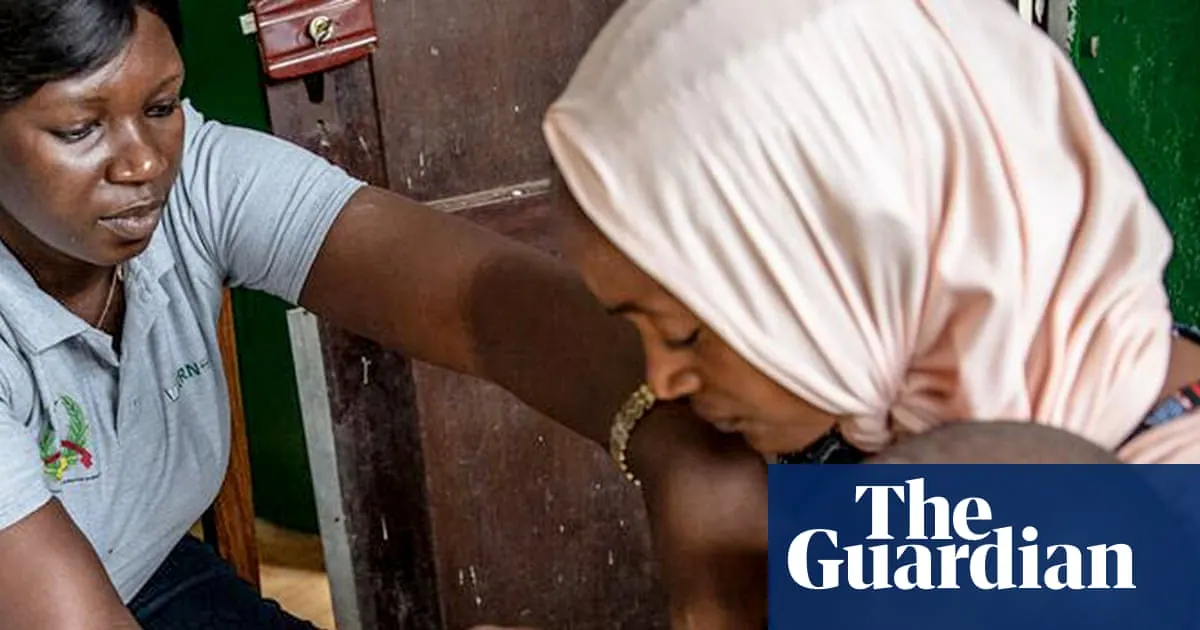
The reported mpox outbreak in Guinea-Bissau presents a disquieting epidemiological profile. Of the 46 suspected cases and seven confirmed cases recorded since July 4, over half are children, with 16 patients under the age of four. This demographic concentration, as reported by The Guardian World on August 24, 2026, deviates from typical transmission patterns observed in past outbreaks, raising questions about current mitigation strategies and the potential for wider, undetected spread.
Historically, mpox has been associated predominantly with transmission among specific adult populations. The data from Guinea-Bissau, however, suggests a shift. When children, particularly those under four, represent such a significant proportion of cases, it indicates potential transmission pathways that differ from those previously emphasized. This includes the possibility of household transmission, community spread that is less contained, or perhaps a greater vulnerability among younger populations in the affected region. The 'fears [that the] virus may be spreading undetected,' as articulated by the source, gain particular resonance in this context.
The implications for regions like Thailand and the broader Asia-Pacific are not immediately obvious, given the geographical distance and distinct social contexts. However, the nature of infectious disease transmission rarely respects borders. The observed pattern in Guinea-Bissau, if it represents a more generalizable shift in mpox epidemiology, would necessitate a re-evaluation of preparedness measures in other parts of the world. Public health frameworks, often calibrated to historical disease profiles, could prove inadequate against an altered transmission dynamic.
Consider the established surveillance systems in many Asia-Pacific nations. These systems, while robust for known threats, may not be optimally configured to detect or respond to a pathogen exhibiting novel transmission characteristics, especially one impacting young children at such a rate. The possibility of asymptomatic or mild cases going unreported, coupled with the challenges of diagnosis in young children, could create a significant blind spot. An increased proportion of cases in children could also place a greater burden on pediatric healthcare infrastructure, which in some areas of the Asia-Pacific is already strained.
It can be argued that such concerns are speculative, given the localized nature of the Guinea-Bissau outbreak and the absence of direct evidence of altered mpox virulence. The specific social and environmental conditions in West Africa may also contribute to the observed child-specific transmission, making direct comparisons to the Asia-Pacific tenuous. Furthermore, mpox is not a new pathogen, and public health agencies globally possess experience in managing outbreaks. The seven confirmed cases, relative to the 46 suspected, also suggest that diagnosis remains a challenge, which could skew the reported demographics.
Yet, the fundamental concern remains. An epidemic declared in July, with half of its suspected cases being children, including 16 under the age of four, presents an anomaly. This situation prompts a necessary analytical inquiry: what if this demographic shift is not an isolated incident, but an early indicator of a broader epidemiological trend? The absence of such a trend in other regions currently makes it difficult to definitively assess the risk. However, for nations reliant on timely public health intelligence to adapt their responses, the signal from Guinea-Bissau demands careful consideration, not least because it points to an argument about vulnerability that is often overlooked in global health discourse.
Sources
Newsletter
Pacific Daily
A curated briefing from Thailand, Asia-Pacific and the world.