Urban Waste Management in Asia-Pacific Faces Mounting Pressure from Climate Risks
Conakry landslide highlights regional vulnerability, demanding policy shifts beyond reactive measures.
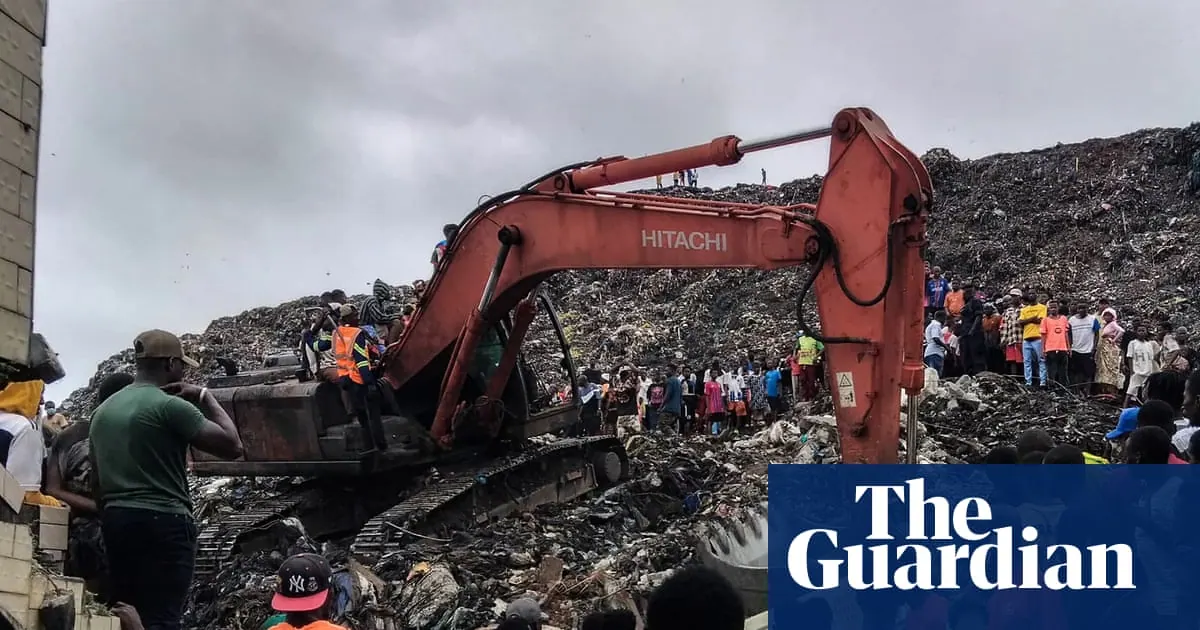
The reported landslide at a waste mound in Conakry, Guinea, which resulted in 30 fatalities following heavy rains, underscores a critical and often overlooked intersection of urban development, waste management, and climate vulnerability. The incident, occurring less than a week after government plans to relocate the dump were announced, reflects a pattern of reactive policy engagement with long-standing environmental risks.
While the direct circumstances are specific to West Africa, the underlying challenges resonate across the Asia-Pacific. Rapid urbanization in many Asian cities has led to an exponential increase in municipal solid waste. Data consistently shows that waste generation rates are among the highest globally in this region. Effective, long-term waste disposal infrastructure, particularly for rapidly growing urban centers, has historically lagged behind the pace of development. Many cities rely on open dumps or poorly managed landfills, which, like the one in Conakry, become susceptible to environmental factors such as intense rainfall and seismic activity. In Thailand, for instance, the Department of Environmental Quality Promotion reported that 72% of the country's waste in 2020 was disposed of improperly or in unsanitary landfills. Such sites, often located near informal settlements, pose direct threats to human life and public health when structural integrity is compromised by weather events.
The challenge is compounded by the increasing frequency and intensity of extreme weather events attributed to climate change. The rainy season, as highlighted in the Guinea incident, presents a particular risk, exacerbating soil saturation and reducing the stability of waste mounds. The IPCC's Sixth Assessment Report outlines with high confidence that heavy precipitation events will intensify across much of Asia, increasing the likelihood of landslides and flash floods. This suggests that the conditions leading to the Conakry tragedy are becoming more prevalent, not less, in susceptible regions of the Asia-Pacific.
The regional implications for waste management extend beyond immediate safety. The financial burden of maintaining and eventually remediating inadequate waste sites is substantial. Attributed claims by local authorities in various Asian cities suggest that budget allocations for waste infrastructure are frequently outpaced by the volume of waste generated and the cost of land acquisition for new, compliant facilities. Furthermore, the socio-economic impacts on communities living adjacent to these sites are profound, including health risks from pollution and the displacement seen in Conakry. This creates an unresolved tension between the imperative for economic growth and the necessity for sustainable environmental practices.
However, a counterargument frequently presented is that developing nations in the Asia-Pacific face more pressing immediate concerns, such as economic development, poverty reduction, and public health crises. From this perspective, large-scale investment in advanced waste management, though desirable, might be seen as a luxury compared to other foundational needs. Policies focused on waste-to-energy projects or advanced recycling infrastructure, while environmentally sound, often require significant capital investment and regulatory frameworks that are still nascent in some parts of the region. The immediate threat of a collapsing waste dump, while tragic, can be viewed as an acute, localized problem rather than a systemic, regional challenge demanding immediate, comprehensive policy overhauls.
This interpretation, however, overlooks the systemic nature of the risk. The Conakry event highlights that deferring investment in robust waste management infrastructure is not merely an economic decision but an accumulating liability with direct human cost. Thailand, like many of its regional neighbors, faces an escalating challenge where legacy waste practices intersect with shifting climate patterns. The constraint that remains unresolved is how to transition from reactive crisis management to proactive, integrated urban planning and waste governance, acknowledging that these environmental vulnerabilities are not isolated incidents but predictable outcomes of existing policies and climatic shifts.
Sources
Newsletter
Pacific Daily
A curated briefing from Thailand, Asia-Pacific and the world.