Tariff Escalation Poses Asia-Pacific Trade Test
The recent trade dispute between the United States and Canada suggests broader challenges for supply chain resilience and economic stability in Southeast Asia.
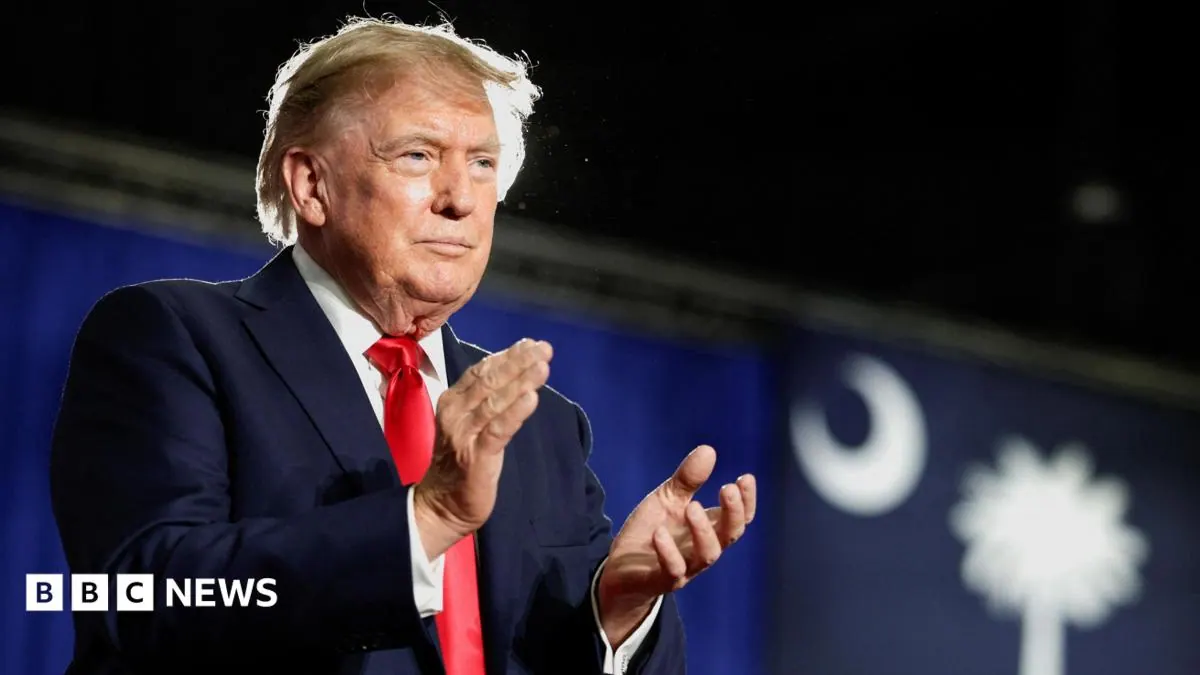
The collapse of trade talks between the United States and Canada on August 23, 2026, culminating in Canadian Prime Minister Justin Trudeau’s reluctant announcement of retaliatory tariffs, marks a significant escalation. US President Donald Trump’s assertion that Canada seeks the ‘benefits’ of being a US state, combined with Ottawa’s accusation of Washington initiating a trade war, indicates a hardening of positions between two historically close trading partners. This dynamic, while geographically distant, presents a critical stress test for global trade mechanisms and, by extension, for export-dependent economies in the Asia-Pacific region.
From Thailand's perspective, the primary concern lies in the potential for trade friction to proliferate. The US, a major export destination for Thai goods, has demonstrated a willingness to employ tariffs as a negotiating tool. Canada's statement regarding the US 'starting a trade war' signals a departure from established dispute resolution frameworks. While the specific tariffs between the US and Canada directly impact North American supply chains, the precedent of unilateral tariff imposition creates an environment of uncertainty that can dampen global investment and trade flows. This affects Thailand's strategic export sectors, including electronics and automotive components, which are deeply integrated into global value chains. A prolonged or expanding trade conflict could disrupt the predictable trade environment critical for these industries.
The regional implications extend beyond direct trade flows. Asia-Pacific economies have benefited from a relatively stable, multilateral trade order. The BBC World report on August 23, 2026, details a direct confrontation between two G7 nations. This type of bilateral trade dispute challenges the underlying principles of free trade and can encourage other nations to adopt similar protectionist measures. The World Trade Organization (WTO) has historically served as a critical forum for resolving such disputes; however, its efficacy has been increasingly questioned amidst a rise in unilateral actions. The economic impact could manifest as reduced foreign direct investment (FDI) into the region, as companies become wary of unpredictable trade barriers. Based on historical reactions to trade uncertainty, multinational corporations are likely to re-evaluate their supply chain configurations, potentially seeking to localize production or diversify sourcing away from regions perceived as high-risk.
However, it is also plausible that the direct impact on Southeast Asia remains contained. The specific nature of the US-Canada dispute, rooted in a unique bilateral relationship and distinct economic structures, might not translate directly to US-Asia trade relations. The immediate focus of the US administration could remain on key strategic partners or competitors, rather than a broad application of tariffs across all trade partners. Furthermore, some Asia-Pacific nations could potentially benefit from trade diversion, stepping in to supply goods that are subject to tariffs elsewhere. This would depend on their industrial capacity and competitive pricing. LIMITATION: Such benefits are typically marginal and short-lived, failing to offset the broader negative effects of global trade instability.
The challenge for Asia-Pacific policymakers is navigating this period of heightened trade nationalism. The reliance on established global trade norms is diminishing. The outcome for the region now depends on its ability to strengthen intra-regional trade partnerships and to present a unified stance against protectionist pressures, thereby mitigating the spillover effects of external trade conflicts.
Sources
Newsletter
Pacific Daily
A curated briefing from Thailand, Asia-Pacific and the world.