The Engineered Rhythm of Hong Kong's Peripheral Property Sales
Weekend sell-outs in Shap Sze Heung reveal developer timing rather than broad residential stability
HONG KONG
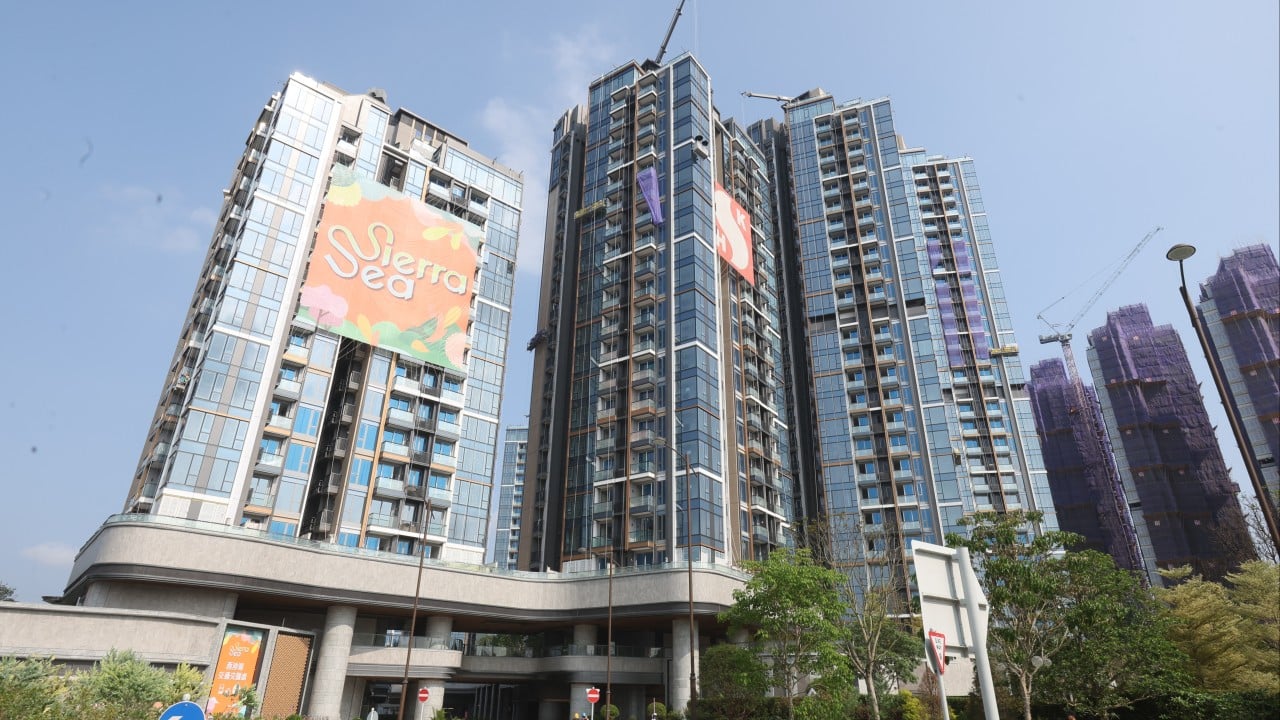
Shap Sze Heung sits in the fold between the quiet coastline of Sai Kung and the dense high-rises of Ma On Shan. Here, construction cranes mark the footprint of Sun Hung Kai Properties’ Sierra Sea Phase 2C(2), framing a landscape where former rural plots give way to towers of steel and glass. In mid-October 2026, sales rooms across Hong Kong registered the clearance of more than 360 flats across two separate developments over a single weekend. Sun Hung Kai Properties immediately scheduled a second release of 152 flats for Wednesday, allocating 128 flats to a single sales format.
Such transaction speed is frequently presented as spontaneous consumer confidence. What the cadence demonstrates instead is the deliberate choreography that governs the city’s residential supply. Private developers pace their releases into tightly calibrated tranches to preserve pricing discipline across a fragile market.
The Geography of Managed Absorption
Moving buyers toward the suburban perimeter requires steady narrative maintenance. Earlier batches at Sierra Sea saw rapid absorption in January 2026, followed by similar sell-out events for Sun Hung Kai Properties projects in Tsuen Wan later in May. When developers release only dozens or low hundreds of units at once—such as the 152 flats brought forward after the October weekend—they manufacture artificial scarcity at the point of sale.
The rapid clearing of suburban inventory demonstrates supply management rather than structural household wealth.
Buyers respond to these micro-releases out of calculated urgency. In prior cycles, such as the Grand Jete sales in 2022, rapid purchases reflected anxiety over shifting interest terms. When approximately 10,000 new flats were projected to reach the market in 2025, the overhang threatened to overwhelm pricing power unless developers broke projects into manageable, staged events.
Commercial real estate in Hong Kong is pursuing a parallel consolidation. Swire Properties and Chinachem Group have coordinated plans to redevelop three separate buildings into a single grade-A office tower within Taikoo Place. While commercial landlords replace older commercial inventory with centralized workspace, residential builders push outward into transitional zones like Shap Sze Heung to absorb private capital.
Limits of the Suburban Boundary
Optimists argue that complete weekend clearances prove deep liquidity among local purchasers. Steady sales across Tsuen Wan and Sai Kung borders suggest that genuine end-user demand remains active across the territory. Even during the week Taiwan’s finance minister visited Hong Kong for an APEC gathering, the domestic property market retained its internal momentum without foreign investor activity.
Yet this absorption is narrow and strictly bounded. Peripheral housing relies on infrastructure expansion that often lags private development. Purchasers committing to high-density living between Sai Kung and Ma On Shan exchange urban accessibility for entry-level price brackets. If secondary market liquidity slows, these outlying suburban blocks face greater exposure than established urban cores.
The October weekend transactions show that developers can still generate decisive buying episodes through precise inventory release. Whether this technique can sustain absorption across the thousands of planned units entering the market remains doubtful. Once the immediate tranche sells out, the structural limitations of Hong Kong's suburban frontier will reassert themselves.
Sources
Newsletter
Pacific Daily
A curated briefing from Thailand, Asia-Pacific and the world.