The Coastline as Exhibition Corridor
Thirty years along Sydney's sandstone cliffs expose the structural strain behind free outdoor civic design
Public gallery architecture assumes steady footpaths and climate control. Sydney tests an opposing spatial proposition along the exposed coastal path between Bondi and Tamarama.
Along this two-kilometre walkway, three-dimensional installations sit directly against salt spray and ocean winds. Sculpture by the Sea was established on this corridor in 1997. Organisers note the event has expanded into the world's largest free outdoor sculpture exhibition, timed to open the Sydney summer. The spatial drama is immediate. Sandstone cliff edges replace conventional gallery plinths, dropping straight toward Pacific swells. Yet placing monumental physical objects along an active pedestrian artery reshapes municipal transit into an obstacle course. Daily utility clashes with temporary display.
A coastal track operates under rigid physical boundaries.
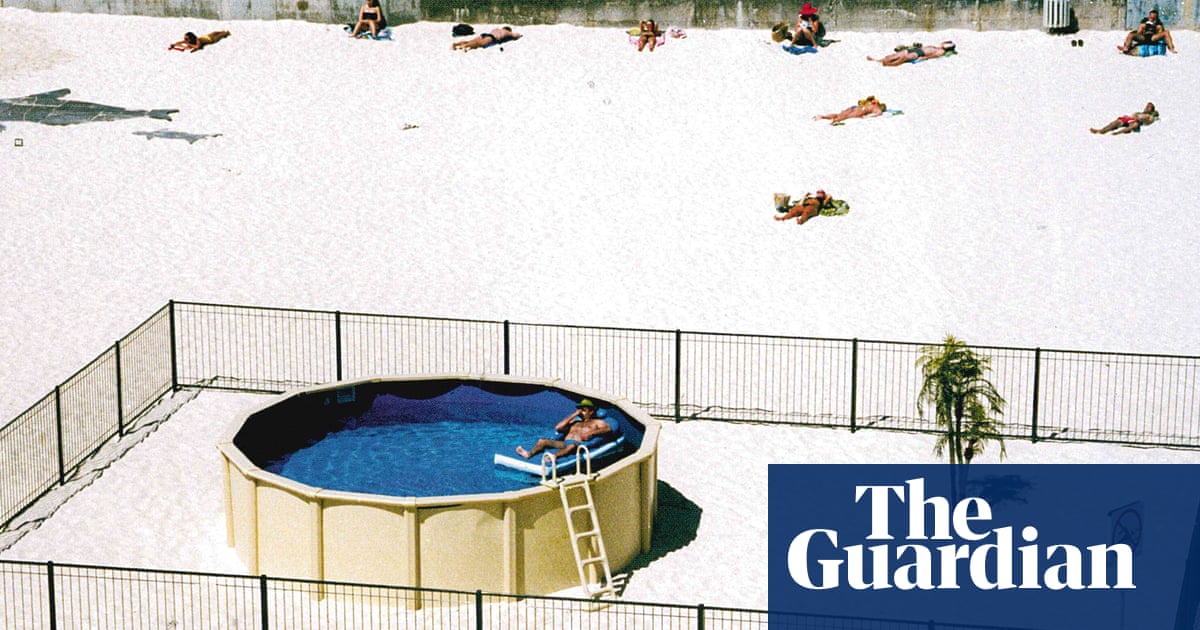
Dedicated museum galleries manage variable dwell times through open floor plans and calibrated lighting. In contrast, this coastal footpath exists primarily for directional movement. Commuters and local runners share the narrow ledge with thousands of gallery visitors arriving from across Sydney. When curators introduce heavy sculptural work, such as a shark-banana construction, the installation interrupts regular movement patterns. Foot traffic stalls at tight choke points along the cliff edge, turning a commuter corridor into an outdoor bottleneck.
Spatial Friction on Sandstone
Access without an admission fee removes standard institutional gatekeeping. Anyone walking the cliffs encounters contemporary sculpture without stepping inside a cultural venue. That openness, however, forces distinct engineering trade-offs that planners often overlook. Sculptural work must withstand marine corrosion and severe coastal wind loads without failing. Foundations cannot fracture delicate rock shelves or disturb local vegetation, requiring temporary anchors that hold heavy weight without permanent surface damage.
The marine setting dictates the artistic material.
Fabricators gravitate toward rigid steel and dense cast resin over fragile compositions. Delicate or ephemeral concepts rarely survive sustained exposure to coastal gales. As an unavoidable design consequence, the physical site enforces a conservative bias in fabrication methods. Indoor institutions permit fragile paper or suspended wire; this exposed coastal cliff path demands structural mass.
Civic Value and Fragile Margins
Presenting non-ticketed cultural events across municipal terrain leaves organisers exposed to sudden financial gaps. Public reporting of a 200000 dollar shortfall before an exhibition highlights how precarious free civic installations can be. Operational funding relies on an uneven mix of commercial sponsorship and state support. When private backing softens, public administrators face the bill for site security and crowd safety.
Free public access does not erase the maintenance expenses imposed on vulnerable coastal ground.
Waterfront planners across the Pacific often look to the Bondi promenade as a proof of concept. Many coastal cities struggle to activate water edges without handing terrain over to private commercial developments. The Tamarama path demonstrates that existing natural topography can support cultural programming without permanent construction. Still, this civic access shifts secondary costs onto municipal authorities, who must repair trampled edges and manage swelling trash loads.
Thirty years after 1997, the exhibition clarifies both the potential and the strict boundaries of civic landscape adaptation. Sandstone paths can serve democratic public art, but geography does not yield to curatorial ambition. A shoreline footpath remains an exposed piece of coastal geology first, and an outdoor gallery only second.
Sources
Newsletter
Pacific Daily
A curated briefing from Thailand, Asia-Pacific and the world.