A New Read on Cities' Hidden Layers
Patrick Radden Keefe’s 'London Falling' shortlisting for the Baillie Gifford prize offers a glimpse into how urban narratives, when told with precision, resonate far beyond their original borders.
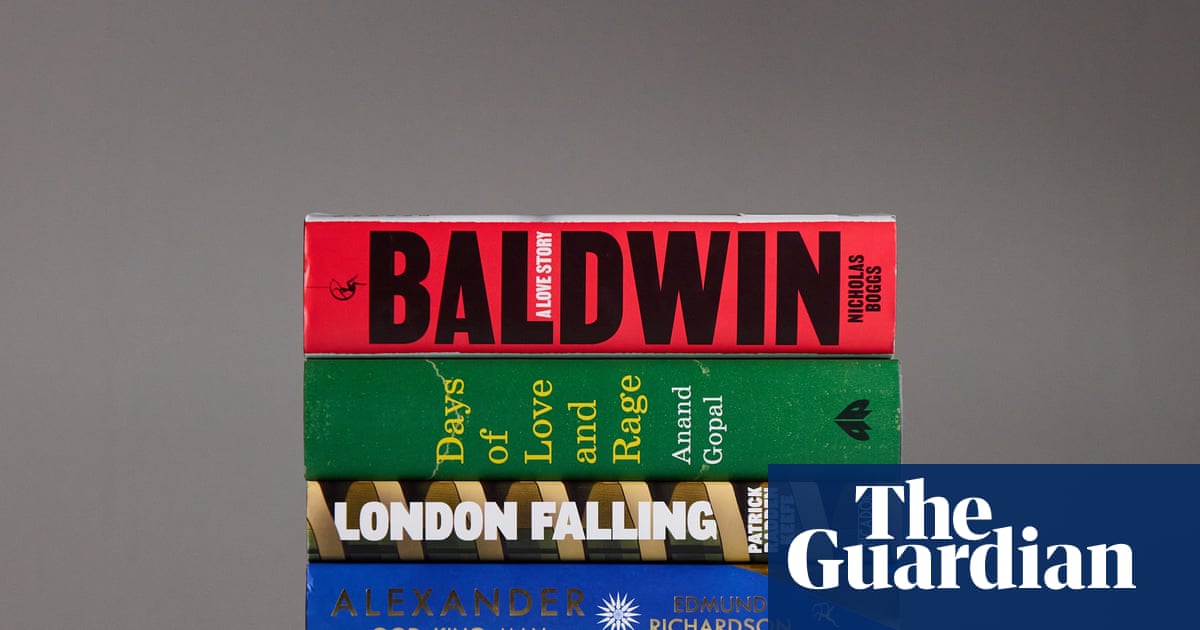
The recent shortlisting of Patrick Radden Keefe’s “London Falling” for the 2026 Baillie Gifford prize, a nonfiction award he previously won in 2021, brings attention to narratives that peel back the visible layers of a city. The book, described by Guardian Australia Culture on 2026-09-30 as focusing on London’s criminal underbelly, joins a six-strong shortlist that spans diverse genres from literary biography to international reportage.
Keefe’s work, lauded by the Financial Times on 2026-04-15 as a “masterful story of money, tragedy and the city’s dark side,” suggests an enduring fascination with the unseen currents shaping urban life. Critics from ABC News & Headlines on 2026-04-23 have noted its impact, while RNZ on 2026-05-15 connected it to the “mysterious death of a 'serial fabulist' and its links to London's underbelly.” These descriptions suggest a meticulous approach to uncovering the human stories that define a city’s lesser-known aspects, a practice that shifts our focus from grand narratives to the granular details of how lives intersect with urban structures.
This kind of reporting, which delves into the precise mechanics of power, influence, and consequence within a specific locale, offers a compelling counterpoint to the broad, often generalized stories of urban development that dominate many headlines. While the book focuses on London, its shortlisting underscores a broader trend: a growing appreciation for the deep, investigative cultural observations that reveal how cities truly function. It implies that readers are increasingly seeking accounts that move beyond surface appearances, preferring analyses grounded in disciplined evidence and named contradictions. The Guardian, in a 2026-04-07 review, called it a “compulsive tale of money, lies and avoidable tragedy,” indicating the intricate web of human drama it uncovers.
For cities across Asia, including Bangkok or Ho Chi Minh City, which are constantly evolving and facing their own complex challenges, this shift in literary focus holds a mirror. The internal workings of any metropolis are defined by more than just infrastructure projects or economic indicators; they are shaped by the habits of its inhabitants, the unwritten rules of its social strata, and the often-hidden systems that govern its daily life. Keefe's methodology of exposing the "criminal underbelly" of London demonstrates how closely entwined social issues are with the very fabric of urban existence. A focus on these deeper currents, rather than on predictable narratives of growth, can illuminate the often-unacknowledged tensions that exist within a city. The interest in such detailed urban ethnographies speaks to a universal curiosity about how cities, regardless of their geography, manage their complexities.
The shortlisting, therefore, is not merely an acknowledgment of a well-written book about a distant city. It is a signal of a changing appetite for how stories about urban centers are consumed globally. It points to a demand for narratives that, like Keefe's, are precise, disciplined, and willing to confront the less glamorous realities of urban existence, providing a richer, more nuanced understanding of the cities we inhabit. This shift prioritizes understanding the underlying dynamics that shape everyday life, rather than just observing its visible manifestations.
Sources
Newsletter
Pacific Daily
A curated briefing from Thailand, Asia-Pacific and the world.