Japan Expands Emergency Fleet Rules to Confront Commercial Realities
Permitting foreign-flagged vessels in contingency planning resolves a numbers problem while multiplying jurisdictional risks.
SINGAPORE
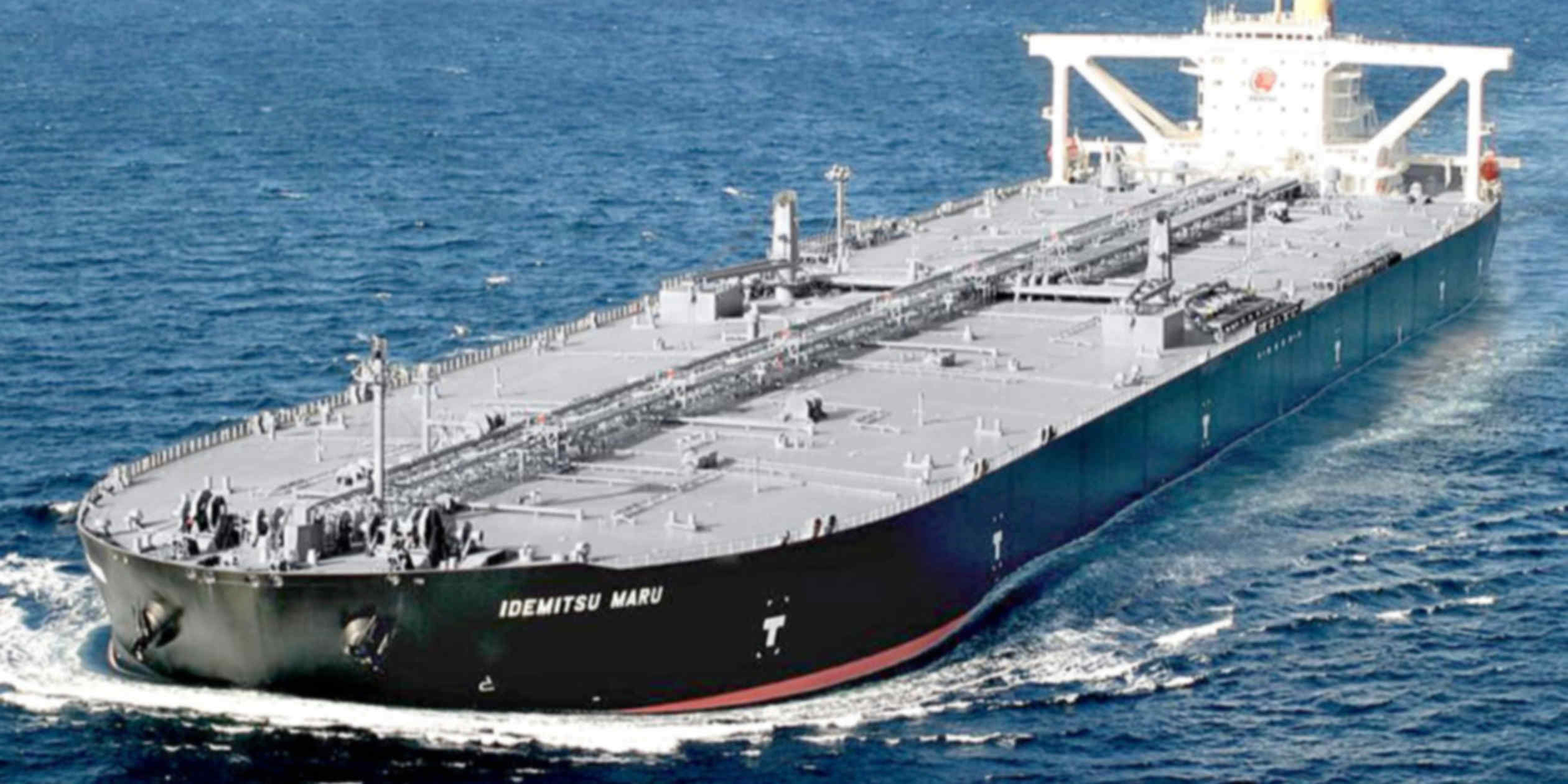
Japan has decided to allow foreign-flagged commercial vessels to be incorporated into its emergency fleet. For decades, statutory crisis logistics in maritime nations rested on an uncomplicated principle: sovereign authority followed the domestic flag. That doctrine has now yielded to commercial reality. Heavily dependent on seaborne trade for basic survival, Japan lacks sufficient domestic-flagged tonnage to secure supply corridors during major disruptions. Opening emergency designations to foreign-flagged hulls broadens the paper inventory of civilian shipping available for state-directed transport. Yet altering administrative criteria does not automatically generate physical transport capacity.
The structural mismatch developed across decades of commercial integration. As Japanese shipping corporations transferred vessels to open-registry regimes to manage fiscal overhead and recruit multinational crews, the national-flagged merchant marine contracted. Planners tasked with preparing for contingencies were left with an arithmetic dilemma. When domestic hulls are too few to secure essential imports, a government must either rebuild its sovereign merchant fleet at immense public expense or alter the legal threshold that defines an emergency reserve. Tokyo has chosen the regulatory path.
Sovereignty and Commercial Registry
Broadening the fleet's eligibility criteria solves an accounting problem while multiplying jurisdictional risks. An emergency fleet drawn from domestic registries operates under unambiguous command authority. By contrast, a ship registered in a foreign jurisdiction remains subject to the laws and diplomatic prerogatives of its flag state. Japan may exercise corporate leverage over domestic shipping lines that manage these hulls, but authority over the vessel on the high seas belongs to the state of registration under maritime law.
Labor presents an even more immediate constraint. Foreign-flagged merchant vessels are crewed by multinational mariners whose contractual terms and sovereign governments rarely align with the emergency directives of a third state. A shipping company can agree in principle to emergency charter terms during peacetime consultations. It cannot guarantee that foreign crews will sail into hazardous waters when a crisis materializes. On administrative ledgers, a chartered commercial ship appears as ready capability; at sea, deployment depends on the consent of foreign mariners and the geopolitical posture of foreign flag administrations.
Regional Sea Lines and Crisis Logistics
Across the Asia-Pacific, maritime supply corridors form the backbone of national resilience. Coastal and archipelagic states face identical logistical vulnerabilities, as commercial shipping routes remain exposed to natural catastrophes, supply shocks, and geopolitical friction. Japan's regulatory adjustment reflects a broader regional recognition that civilian transport networks cannot remain entirely distinct from national crisis management.
Defenders of Tokyo's policy point out that pre-arranged institutional frameworks are indispensable. Creating procedures for indemnification, operational compensation, and formal agreements with domestic ship management firms establishes readiness before a disruption occurs. Having a legally complex mechanism to mobilize foreign-flagged vessels is undeniably better than facing an acute supply breakdown with no legal recourse at all.
Yet administrative preparedness is not the same as sovereign command. By opening its emergency fleet to foreign registries, Tokyo has adapted its contingency planning to the globalized structure of contemporary commercial trade. The unresolved tension is whether an emergency transport apparatus that relies on foreign flags and multinational crews can function as an instrument of national survival when maritime routes close and risk premiums surge.
Sources
Newsletter
Pacific Daily
A curated briefing from Thailand, Asia-Pacific and the world.