Japan's Nitori Recycling Hub Redefines Southeast Asian Furniture Market
Nitori's new recycling center in Japan, intended to address domestic furniture waste, implicitly signals a significant strategic shift for its operations across the Asia-Pacific, particularly in markets like Thailand where consumer behavior and infrastructure present distinct challenges and opportunities.
SINGAPORE
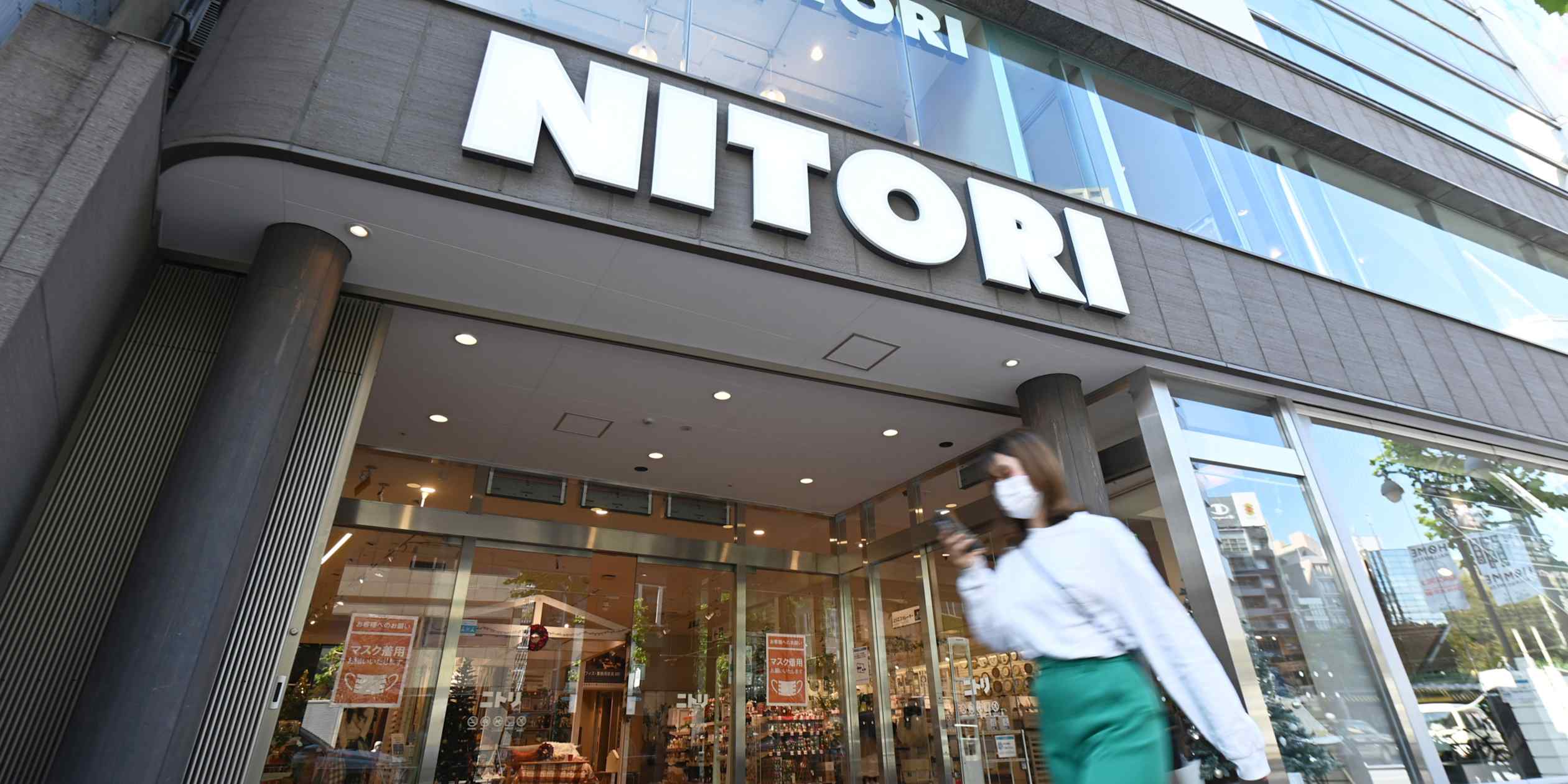
Japan's Nitori, an IKEA rival, is establishing a substantial recycling center in its home country to process furniture waste. This development, reported on October 3, 2026, by Nikkei Asia, positions the company to tackle a domestic issue. Yet, its broader implications for Nitori’s expanding presence across Asia demand scrutiny, especially in Southeast Asian economies.
Nitori has aggressively expanded in Asia, speeding up store openings in the region as China’s economy showed weakness, as noted by Nikkei Asia in October 2024. The company reported larger-than-expected sales in the Philippines in November 2024 and has been in a competitive battle with IKEA for Asia’s furniture market since at least December 2022. This expansion strategy, however, faces a complex relationship with the lifecycle of its products.
While the new recycling hub targets Japanese waste, its very existence suggests an acknowledgement of the extensive material flow inherent in high-volume furniture retail. As Nitori pivots its focus to kitchenware over furniture in new China stores, an October 2026 Nikkei Asia report indicates, the company is refining its product mix in specific markets. This adaptability is critical for Asian markets, which exhibit diverse consumer preferences and varying levels of waste management infrastructure.
For a market like Thailand, where Nitori operates and seeks further growth, this Japanese recycling initiative prompts questions about future waste management strategies. Unlike Japan, many Southeast Asian countries have less developed, or differently structured, municipal waste systems for bulky items such as furniture. If Nitori's Asian expansion continues at pace, the eventual volume of discarded Nitori products in these markets will grow. A centralized recycling solution in Japan, while addressing a localized problem, does not directly solve a similar, impending challenge in regional markets where consumer bases are also expanding.
This discrepancy creates a tension between Nitori's ambitious regional growth and the long-term environmental footprint of its products in markets with differing capacities for waste processing. The firm’s investment in recycling signals a recognition of sustainability as a business imperative. Whether this recognition will translate into localized or regional recycling solutions beyond Japan, particularly for its expanding Southeast Asian customer base, remains an open question. The current strategy, focused on domestic recycling, underscores a persistent constraint: the often fragmented and disparate regulatory and logistical landscapes for waste management across the diverse nations of Asia.
Sources
Newsletter
Pacific Daily
A curated briefing from Thailand, Asia-Pacific and the world.