Taiwan Camellia Oil Indictments Highlight Asian Market Vulnerabilities
Prosecutorial action against mislabeled tea seed oil reveals a persistent challenge in supply chain oversight and consumer trust across the region.
SINGAPORE
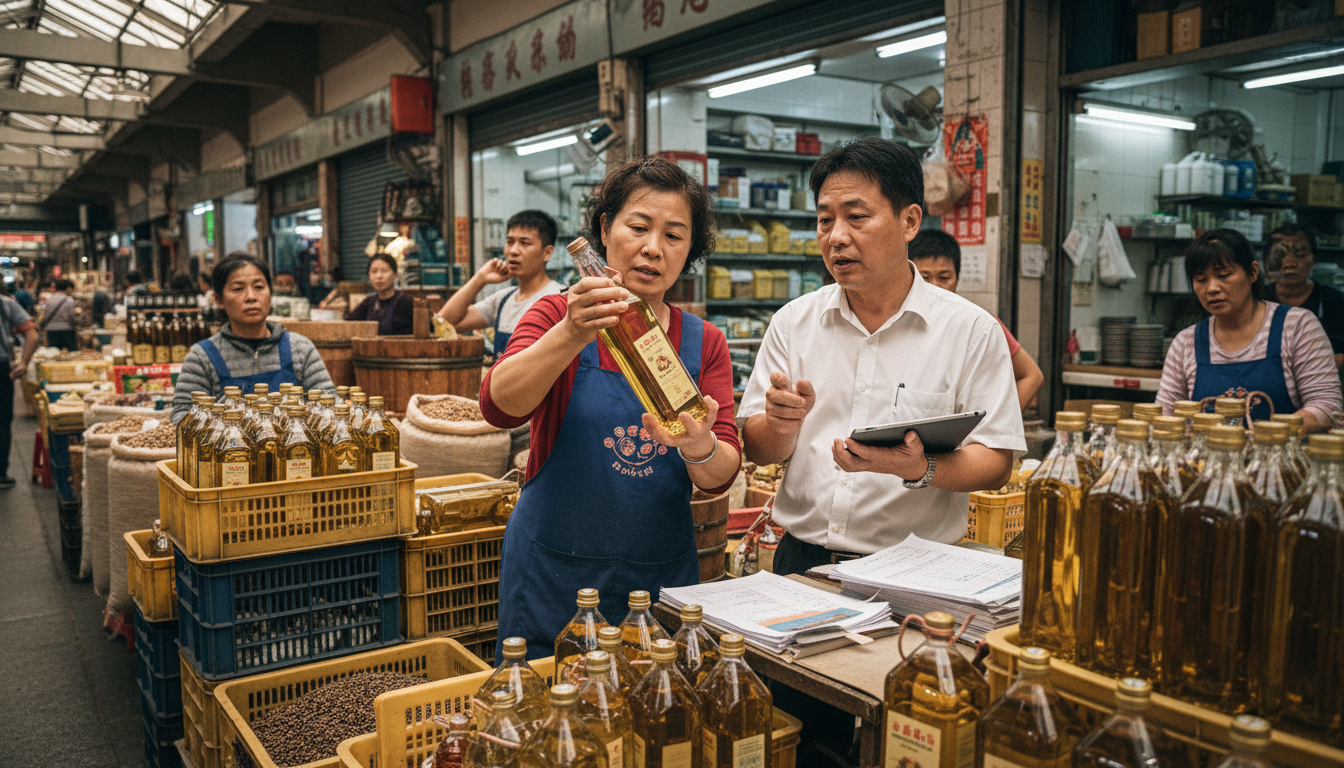
Taipei prosecutors have indicted Chen Chung Hsiu-hui, a business manager at Taipei-based Dynas International Corp, and independent tea seed supplier Chen Yuan-nong on fraud charges. The allegations state Chinese tea seeds were used to produce camellia oil falsely labeled as being entirely made from Taiwanese tea seeds. Dynas shareholder Tu Chieh-sheng, registered representative Chin Tien-li, and product manager Tsai Meng-chieh were not indicted due to insufficient evidence.
This incident points to a recurring pattern in Asian food markets, where product origin and ingredient integrity are critical for consumer confidence. The alleged substitution of domestically sourced ingredients with cheaper foreign alternatives undermines established agricultural reputations and creates market distortions. Taiwan's camellia oil, like many traditional agricultural products across Asia-Pacific economies, often commands a premium based on its perceived purity and specific regional provenance.
The implications extend beyond immediate financial loss for consumers or reputational damage for Dynas International Corp. When the distinction between local and imported raw materials is blurred, it can erode the competitiveness of authentic local producers who adhere to stringent standards. This dynamic is observable in various sectors, from specialty coffees in Vietnam to high-grade seafood in Japan, where regional sourcing is a key differentiator. The challenge for regulatory bodies lies in developing robust verification mechanisms that track product origins across complex supply chains that frequently span multiple countries.
The indictments serve as a reminder that legal frameworks, while essential, depend on diligent enforcement. The alleged misrepresentation, if proven, demonstrates a gap between consumer expectation for local authenticity and the reality of globalized sourcing practices. Addressing this discrepancy requires not only legal action but also greater transparency from producers and more sophisticated verification methods from authorities, ensuring product claims align with their actual composition. The unresolved tension remains how to balance the economic pressures of global supply chains with the preservation of regional product integrity and consumer trust.
Sources
Newsletter
Pacific Daily
A curated briefing from Thailand, Asia-Pacific and the world.