Constitutional Law Meets the Periphery in Canada’s North
Indigenous youth litigation reveals how legal remedies framed in southern capitals struggle against ecological displacement in Yukon
Federal industrial policy is drafted in inland parliamentary seats, but the physical attrition of those choices accumulates along remote territorial margins. For decades, constitutional governance in Canada has treated northern expanses as an extractive frontier, balancing macroeconomic goals against statutory obligations owed to indigenous inhabitants. That administrative settlement is now fracturing under the weight of ecological shifts that legal frameworks were never designed to remediate.
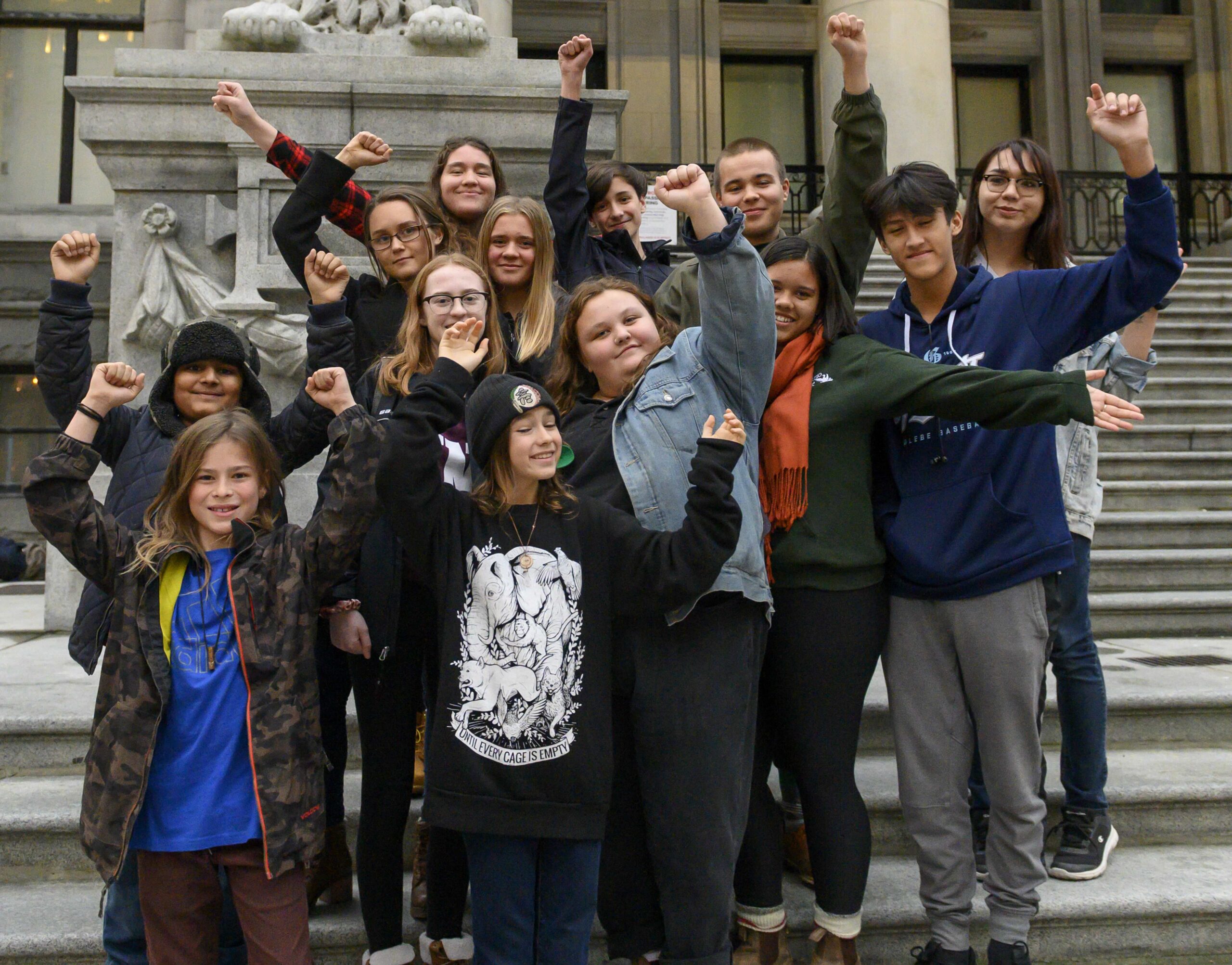
Indigenous youth are advancing a landmark climate trial against His Majesty the King, testing the boundaries of the Canadian Charter of Rights and Freedoms. By invoking Section protections, the litigants argue that state-sanctioned carbon emissions directly dismantle the ecosystems required for communal survival across Canada’s North. The legal action forces a confrontation between sovereign authority in southern urban centres like Vancouver and the daily subsistence realities of northern territories.
For the Taku River Tlingit First Nation in Yukon, that degradation is measured not in abstract atmospheric parts per million, but in the contraction of basic natural medicine. Subsistence traditions in the subarctic rely on direct access to boreal flora to withstand seasonal illness. Earlier this year, when sickness struck a friend, customary practice offered a direct instruction.
"Maybe you need to go gather some Labrador," said Reeves’ grandmother, observing the friend.
That simple directive exposed an abrupt ecological barrier. For generations, the leaves and flowers of Rhododendron groenlandicum, an evergreen shrub known as Labrador tea, provided hot infusions to treat common colds and persistent coughs. Yet Leandrea Taylor Reeves, 22, found the plant scarce along the edge of the boreal forest, despite years of harvesting experience. This local depletion illustrates how rapidly subarctic baseline flora is shifting, outpacing traditional botanical knowledge before constitutional arguments can even be heard.
Jurisprudence Against Biological Latency
Judicial remedies operate within institutional timeframes that run counter to ecological realities. Section litigation under the Canadian Charter of Rights and Freedoms requires claimants to prove specific state causation, withstand procedural appeals, and obtain declarations that compel regulatory revisions. Decades of jurisprudence demonstrate that while supreme tribunals can invalidate statutes or mandate administrative reconsiderations, legal mandates do not directly stimulate vegetative regrowth.
Proponents of constitutional litigation argue that binding judicial rulings establish vital structural accountability. A declaration that sovereign omissions infringe fundamental charter rights forces federal ministries to integrate environmental impacts into sovereign resource licensing. Such statutory victories create a legal record that constrains future executive policies across sovereign lands.
Yet that regulatory leverage comes with an acute temporal penalty. Institutional reviews, legislative amendments, and compliance monitoring take years to filter into operational regulations. During that administrative lag, regional botanical habitats experience irreversible decline.
The Territorial Dividend of Policy
This structural imbalance extends across the broader Pacific rim, where peripheral and coastal communities routinely absorb the externalities of distant political decisions. Central governments in developed economies routinely balance federal revenue targets against localized resource depletion, leaving indigenous territories to navigate the immediate physical consequences. The Yukon litigation exposes the severe friction between formal constitutional guarantees and the tangible deterioration of regional ecosystems.
Judicial oversight may compel executive accountability, but court orders cannot reconstruct depleted subarctic plant life. The core unresolved dilemma facing Canada’s North is that while courts debate jurisdictional duties, the physical conditions necessary to sustain traditional communal autonomy are diminishing faster than the law can respond.
Sources
Newsletter
Pacific Daily
A curated briefing from Thailand, Asia-Pacific and the world.