Argentina's restoration offers a model for natural regeneration in Asia-Pacific
A giant anteater's return to Corrientes suggests passive ecosystem recovery may offer lessons for coastal regions across the Pacific Rim.
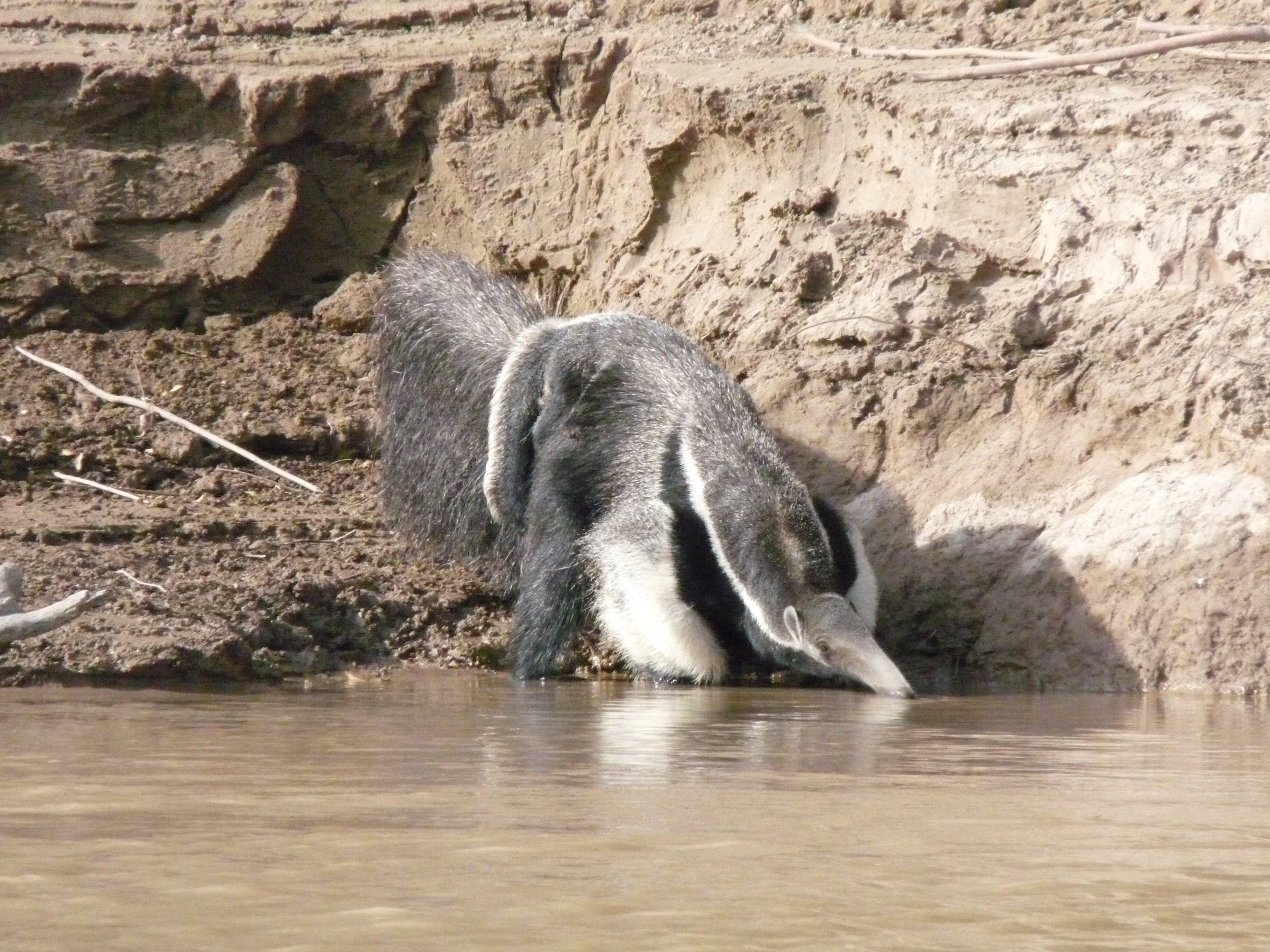
In 2025, a giant anteater reappeared in Argentina's Alma Guaraní reserve, marking the first sighting of this mammal in Corrientes province since 1986. This return is believed to stem from restoration work that began in the reserve in 2021. A paper published in *Restoration Ecology* attributes this to passive restoration, suggesting it may have triggered the species’ spontaneous return to the area.
Rosario Montiel, a co-author of the paper and CEO of climate and environmental startup RestoreD, confirmed this was the first registered spontaneous giant anteater sighting in Corrientes province in 40 years. This event from a continental region, far removed from the immediate concerns of a marine economy, still offers a point of comparison for the Asia-Pacific, particularly regarding resource allocation and policy frameworks for conservation.
Ecosystem degradation is a challenge across the Pacific Rim. While Argentina faces issues such as securing ongoing support for its energy sector, as reported by Reuters in 2023, or managing concerns raised by China’s fishing fleet off its coast in 2026, the underlying problem of biodiversity loss persists. In Asia-Pacific, conservation efforts often lean towards active, interventionist strategies—large-scale replanting, species reintroductions, or habitat engineering projects. The Argentine example, if the findings on passive restoration prove broadly applicable, suggests that coastal policy in Asia might benefit from re-evaluating the balance between direct intervention and creating conditions for natural regeneration.
The essential question for regional strategists remains: which coastlines truly benefit from policies primarily conceived inland? Relying solely on top-down, funded programs for restoration, while necessary in some contexts, can often overlook the inherent resilience of ecosystems when given adequate space and time. The spontaneous return of a significant species like the giant anteater, following a relatively short period of initial restoration work, indicates that ecosystems can begin a process of self-repair. This does not negate the need for foundational interventions, but rather prompts an assessment of whether continuous, resource-intensive actions are always the most efficient path.
The implications for countries like Thailand, with its extensive coastal and wetland areas, are considerable. Where human impact has been reduced or altered, and initial conditions for recovery established, a shift towards supporting natural processes could potentially yield ecological returns with different resource demands. This approach, however, demands political commitment to long-term land management and an acceptance of slower, less immediately visible outcomes than often promised by large-scale, active projects. The challenge lies in aligning political will and public expectation with the potentially more enduring, yet gradual, pace of natural ecological recovery.
Sources
Newsletter
Pacific Daily
A curated briefing from Thailand, Asia-Pacific and the world.