Why Australia’s Favourite Books Remain Trapped in the Past
The ABC Radio National top 100 poll reveals a national reading public that seeks refuge in familiar working-class domesticity rather than contemporary reality.
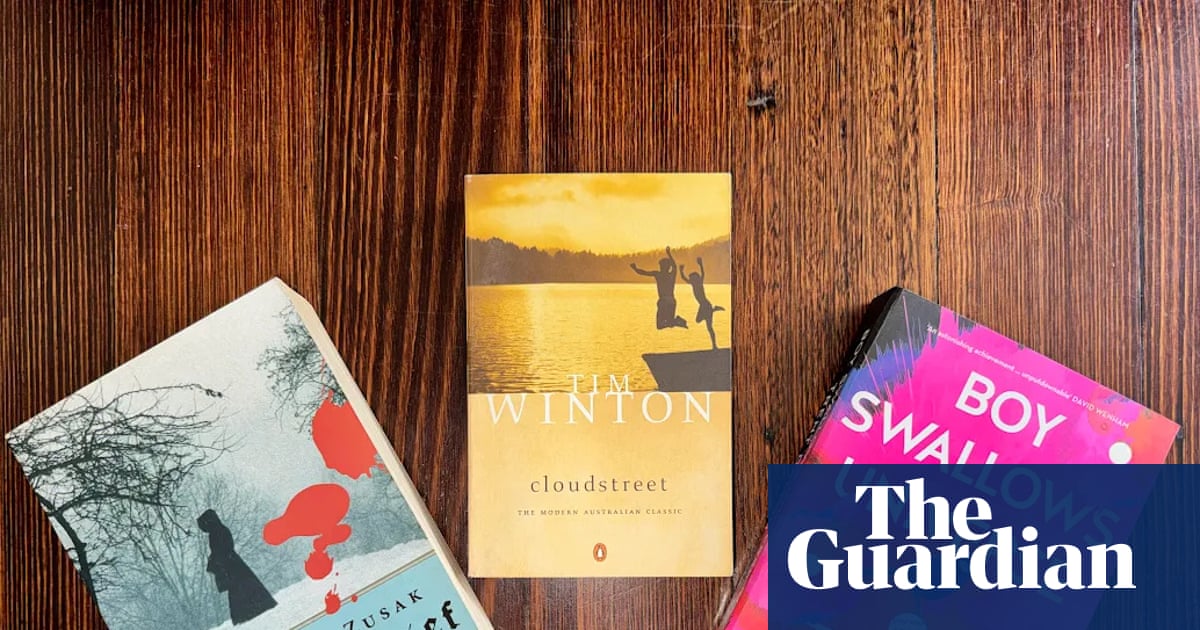
A nationwide poll organized by a public broadcaster inevitably functions as an exercise in retrospective comfort. When ABC Radio National invited listeners across Australia to select their top 100 Australian books, the resulting mandate bypassed contemporary literary output to reaffirm an established hierarchy. First place went to Tim Winton’s Cloudstreet, followed by Markus Zusak’s novel The Book Thief in second, and Trent Dalton’s Boy Swallows Universe in third.
The top three positions formed a podium dominated by men, with each work anchored in narratives of domestic trial, historical vulnerability, and familial endurance. Literary prizes and critical panels frequently reward the disruptive and unfamiliar; popular broadcaster polls, by contrast, measure accumulated affection and institutional exposure. Tim Winton’s sprawling family epic has occupied a central position in Australian cultural life across decades of curriculum reading and theatrical adaptations. Its endurance says less about the current state of fiction than about what readers demand when asked to define themselves on paper.
The Architecture of Literary Consolation
Popular consensus around national literature tends to favor novels that resolve internal fractures through sheer personal endurance. In Cloudstreet, material deprivation and family grief are negotiated across decades within the shared walls of a large Perth home. Markus Zusak’s The Book Thief frames mortality and wartime terror through historical distance and moral clarity. Trent Dalton’s Boy Swallows Universe filters suburban hardship through adolescent loyalty and redemption. Grouped together on the podium, these works expose a consistent public appetite for heightened domestic adversity softened by emotional survival.
Reader polls measure accumulated cultural memory rather than the actual creative movement of a country.
What remains largely unexamined in the reception of these poll results is the structural conservatism inherent in broad public balloting. An inventory of 100 books assembled by radio listeners will always privilege texts backed by decades of educational canonization. School reading lists, university syllabi, and screen adaptations give older novels an insurmountable advantage over newer work. The all-male composition of the top three places is neither an anomaly nor purely an aesthetic judgment. It reflects long-standing institutional habits that have historically elevated specific male coming-of-age narratives into the default representation of Australian life.
Memory Against Movement
There is a defensible argument in support of this outcome that deserves serious weight. True literary resonance requires time to settle, and durable popularity across generations is not an arbitrary metric. A novel that continues to command broad public loyalty decades after its release possesses a craft and emotional clarity that transient critical trends cannot manufacture. Dismissing the broad appeal of Tim Winton or Markus Zusak as simple nostalgia ignores the technical skill required to hold a diverse audience over thirty years.
Yet this reliance on the past creates an obvious cultural problem. The ABC Radio National ranking offers an accurate census of affection, but it also shows how completely historical mythologies can overshadow contemporary perspectives. By choosing Cloudstreet as the definitive national text, Australian readers selected a portrait that comforts precisely because its struggles are safely concluded. The tension between celebrating an enduring post-war epic and recognizing the limits of its nostalgia remains unresolved.
Sources
Newsletter
Pacific Daily
A curated briefing from Thailand, Asia-Pacific and the world.