When Transit Agencies Cut Verse, Commuters Lose Civic Space
Metro Vancouver's dispute over funding for poetry cards highlights an ongoing conflict between administrative efficiency and shared urban culture across the Pacific rim.
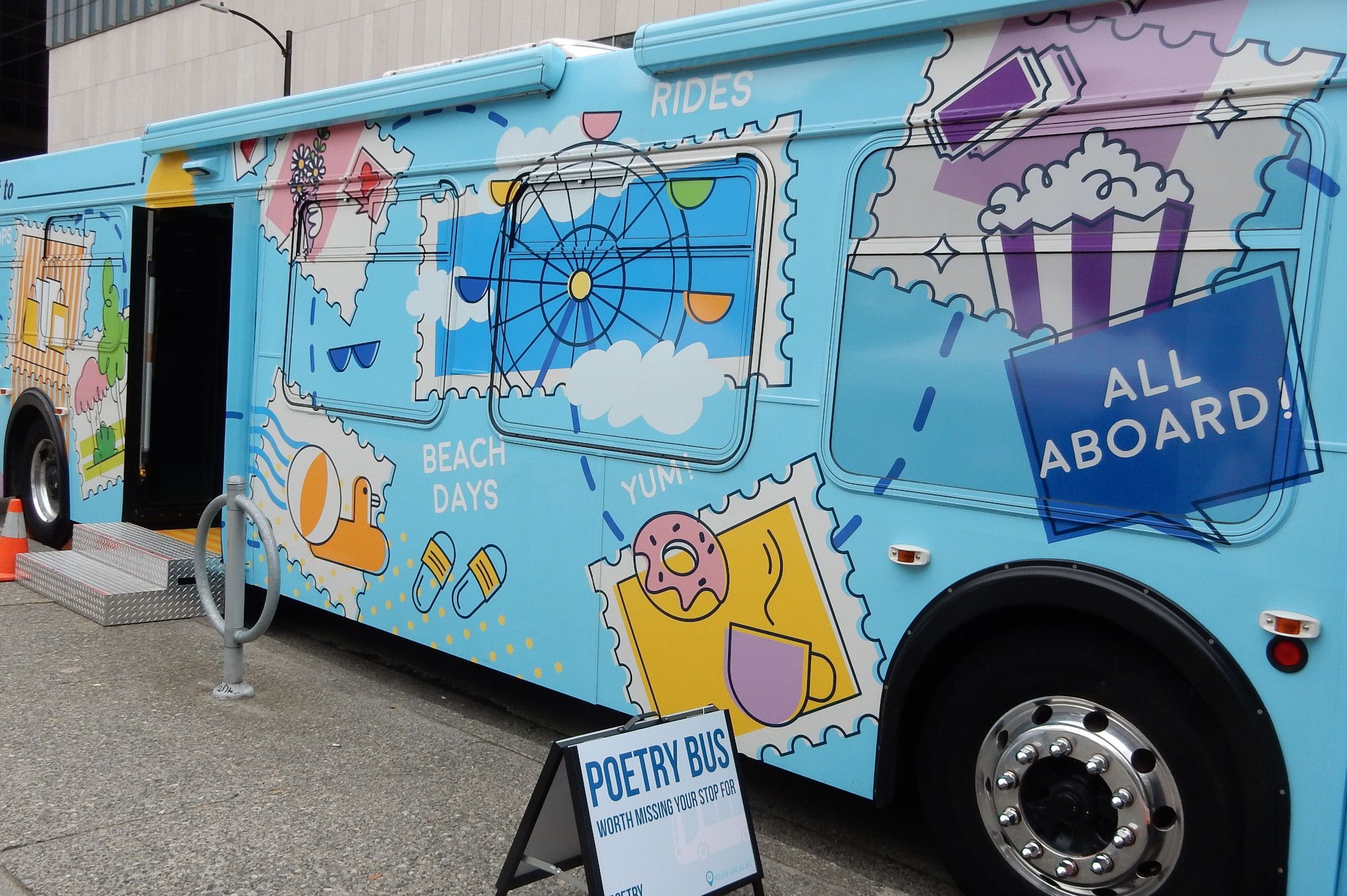
Commuters boarding transit routes across Metro Vancouver routinely encounter small rectangular panels mounted inside bus interiors, positioned where commercial advertising normally commands passenger attention. For three decades, these spaces have carried printed poems rather than corporate promotions. That sequence faced disruption when regional transit authority TransLink moved to terminate funding for Poetry in Transit, prompting a coalition of riders and writers to organize formal opposition.
A petition organized under the banner of Save Poetry in Transit demands that TransLink reconsider the withdrawal of financial support and continue allocating physical interior display space. The initiative marks its 30th anniversary in 2026, tracing its lineage back to 1996. Among those coordinating the response is Laura Farina, a poet and program manager of the Writer’s Studio at Simon Fraser University who serves on the Committee to Save Poetry in Transit. Farina noted that public transit authorities possess an unusual institutional capacity to introduce brief moments of literary contemplation into everyday urban travel. The sudden termination of that presence exposes how easily transit managers separate physical movement from the civic environment that hosts it.
The Logic of the Ledger
Operational transit governance across the Pacific regularly treats public vehicles as machines dedicated strictly to conveyance and balance-sheet containment. Political debates across the region frequently center on capital-heavy line expansions, such as ongoing pledges by the BC NDP and provincial Conservatives regarding SkyTrain extensions toward Newton, aligning with proposals championed by Surrey mayor-elect Doug McCallum. High-capacity corridors like the 99 B-Line command intense logistical scrutiny because passenger volume directly governs municipal economic activity. Within that framework of capacity metrics, small cultural line items appear expendable during routine administrative reviews.
Yet the assumption that municipal transport serves exclusively as an engine of passenger throughput ignores how public space actually functions. A bus carriage operates as a rare non-transactional room where strangers assemble without commercial prerequisites. When administrators replace cultural interventions with revenue-generating advertisements or bare plastic panels, the nature of passenger attention shifts. The commuter journey becomes entirely commodified or reduced to functional isolation.
The Civic Cost of Austerity
Administrative leadership might argue that operating deficits mandate strict financial discipline, leaving non-essential creative subsidies outside the agency's primary mandate. According to this reasoning, an agency responsible for heavy vehicles and rail networks must prioritize service frequency and mechanical maintenance above literary preservation. If capital pressures intensify, artistic additions naturally fall outside core service delivery obligations.
That calculation misinterprets the civic value generated by modest institutional expenditure. Maintaining lines of verse on a suburban bus route does not strain mechanical budgets, yet abandoning the practice surrenders shared urban terrain to sterile commercialism. Regional transit systems across Pacific metropolitan corridors continually struggle to maintain civic engagement and passenger dignity. When transit authorities decide that three decades of communal literature represent an intolerable operating burden, they signal that ordinary public infrastructure should offer utility without cultural meaning. Commuters facing crowded cabins and long winter transfers are left to navigate a landscape where even brief moments of public reflection have been accounted for and excised.
Sources
Newsletter
Pacific Daily
A curated briefing from Thailand, Asia-Pacific and the world.