When culinary boundaries blur: Bangkok's World Gourmet Festival and the question of preservation
The 26th World Gourmet Festival in Bangkok illustrates how global exchange reshapes local culinary identities, questioning what is truly preserved amidst the pursuit of new gastronomic experiences.
BANGKOK
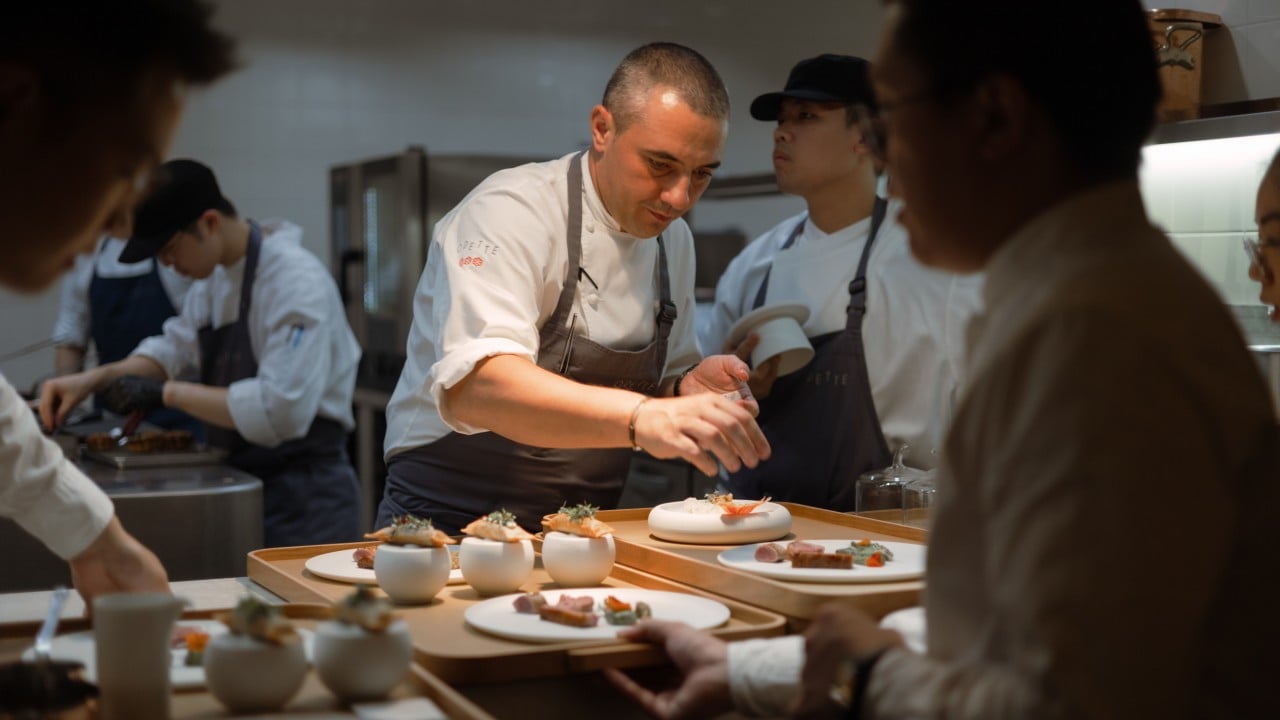
The return of the World Gourmet Festival to Bangkok from September 29 to October 4 marks its 26th iteration. For nearly three decades, this event has brought chefs like Álvaro Clavijo from Bogotá, Julien Royer from Singapore, and Josiah Citrin from Los Angeles into a shared kitchen. The stated intention is to create a "multicultural narrative rooted in food heritage and transnational exchange," where "culinary philosophies clash and meld." This annual gathering, described as Thailand's largest gourmet festival, presents an opportunity to observe the quiet shifts occurring within a region known for its deep culinary traditions.
Historically, the preparation and consumption of food in Southeast Asia, and particularly in Thailand, has often been a communal act, deeply intertwined with local ingredients, generational knowledge, and specific cultural contexts. The phrase "food heritage" suggests a continuation of these practices. However, the explicit aim of the festival — a "crucible where culinary philosophies clash and meld" and chefs "embrace the challenge of blending diverse culinary styles with niche Thai ingredients" — indicates a different trajectory. It is an intentional disruption, where the global lexicon of gastronomy encounters and incorporates local elements. While the event celebrates the expertise of chefs, the emphasis on blending and challenging traditional norms raises questions about what remains distinct.
For a city like Bangkok, which has long been a nexus of trade and cultural exchange, this dynamic is not entirely new. Yet, the organized, high-profile nature of the World Gourmet Festival, with its international acclaimed chefs, accelerates a process that might otherwise evolve organically over generations. The engagement of these chefs with "niche Thai ingredients" implies a selective adoption, potentially isolating certain components of Thai cuisine for novel applications, rather than engaging with the holistic cultural context from which they emerge. This approach can elevate ingredients on a global stage but also risks flattening the intricate narratives attached to them.
While such events are often positioned as celebrations of diversity and innovation, there is a counter-argument to consider. The relentless pursuit of novelty and fusion, though creatively stimulating, can inadvertently dilute the very heritage it claims to honor. When the demand for new experiences supersedes the value placed on established practices, the unique characteristics of local cuisines may recede. The festival highlights an ongoing tension between global gastronomic ambition and the preservation of distinct regional culinary identities, suggesting a future where the definition of 'Thai cuisine' becomes increasingly permeable. The question then becomes not merely what new flavors are created, but what older, quieter flavors are being nudged aside in the process.
Sources
Newsletter
Pacific Daily
A curated briefing from Thailand, Asia-Pacific and the world.