Large food complex in Samut Prakan reflects shifting lifestyle patterns
The opening of a new dining destination on Bang Na Trat Road suggests an evolving urban dynamic for residents, including expatriates.
SINGAPORE
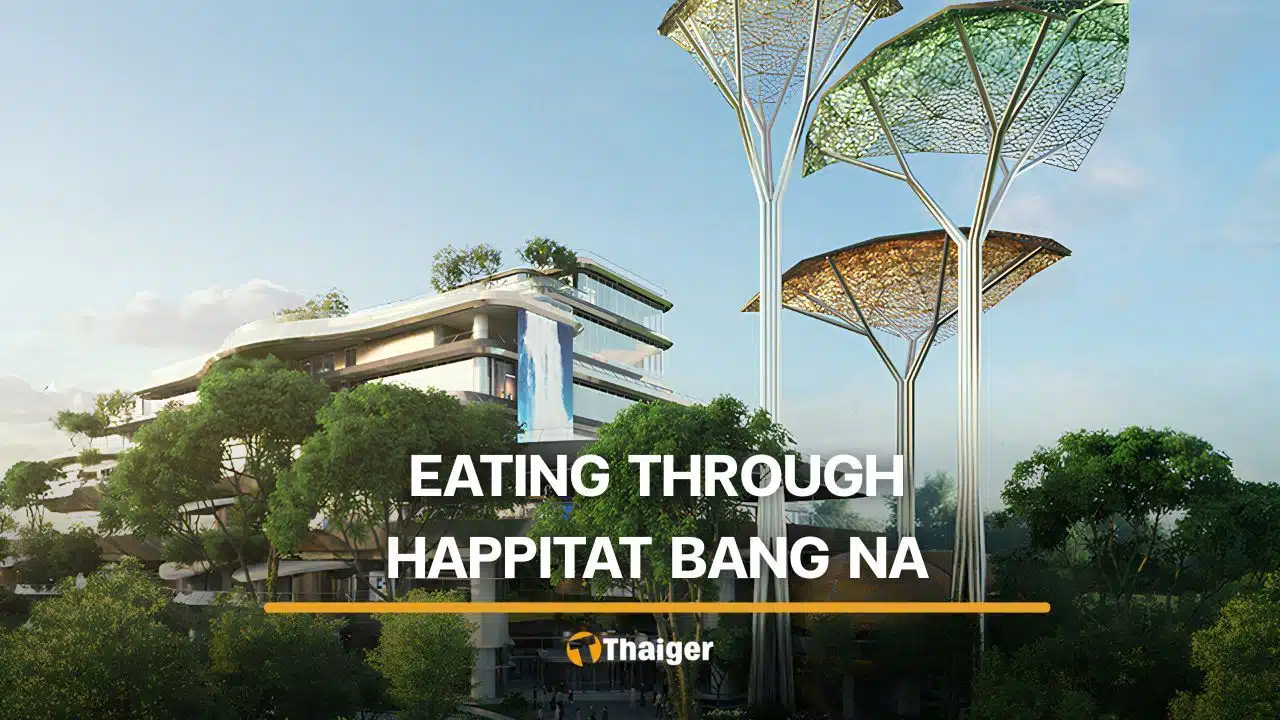
The recent opening of Happitat Bang Na, a food complex in Samut Prakan, signals more than simply an additional dining option. It points to a continued outward movement of significant lifestyle amenities, influencing the daily experience for those residing outside Bangkok’s established core.
The Thaiger reported on 2026-08-27 that Happitat Bang Na brings together over 100 restaurants and cafes, offering more than 3,000 menu items. These offerings range from chef-led establishments to Thai, Japanese, and Korean cuisine, alongside cafes and gelato. The complex is divided into three zones: Bloominas, Wonderwild, and Festie Town. These zones cater to varied needs, encompassing special occasion dining, casual meals, desserts, areas for families, and a pet-friendly zone. This aggregation of diverse culinary experiences in a single suburban location represents a notable development in the region.
Historically, expatriate life in Bangkok often centered on areas within or immediately adjacent to the central business districts. This pattern was driven by proximity to international schools, offices, and established entertainment hubs. The concentration of diverse food choices largely mirrored this arrangement. However, as urban areas expand and infrastructure along major routes develops, new centers of gravity begin to emerge.
The question is not just where a new restaurant opens, but what it indicates about where individuals are choosing to live and spend their time. A facility like Happitat Bang Na, designed to be a comprehensive destination rather than a neighborhood eatery, caters to a population that likely values convenience and accessibility, often by car. It offers a quality of life amenity that might previously have required a journey into the city center.
This trend suggests a maturing of the suburban landscape around Bangkok. It implies that both expatriates and affluent Thai residents are increasingly willing to reside further from the immediate city center, provided that essential services and lifestyle options are readily available in their local areas. For individuals and families, this can mean less commuting for daily needs and a different rhythm to their weekly routines.
However, the long-term viability of such large-scale suburban developments depends on consistent visitor traffic and sustained local population growth that can support its diverse offerings. Without this, even a venue with over 100 establishments risks becoming an occasional draw rather than a central feature of local life. While the reported scale of the project implies confidence in the surrounding demographic, the long-term patterns of consumer behavior in these newly developed corridors will ultimately determine its impact on daily life. The outcome will depend on whether such complexes can truly embed themselves as indispensable parts of the suburban experience, beyond just intermittent excursions.
Sources
Newsletter
Pacific Daily
A curated briefing from Thailand, Asia-Pacific and the world.