London Fashion Week Highlights Asia's Creative Challenge
The increasing presence of Chinese designers in London points to a shift in global fashion. Yet, for Southeast Asia, the path to equivalent influence remains distinct.
SINGAPORE
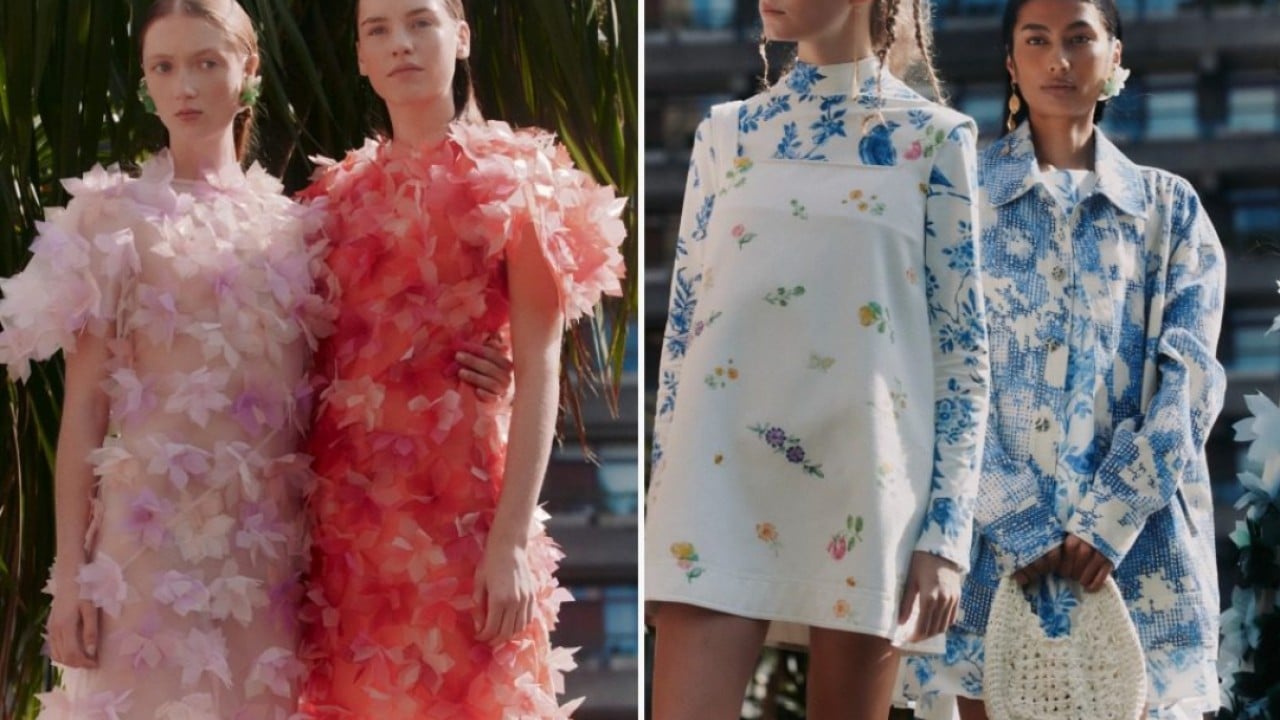
London Fashion Week 2026, held from September 17 to 21, showcased collections from European mainstays like Erdem and Roksanda. Daniel Lee's collaboration with Celia Birtwell for Burberry rounded off the week. However, the event's most notable development was the reported inclusion of the most Chinese designers in years, with names like Yuhan Wang featured alongside less-established talents. This reflects a growing engagement by Chinese designers on a global stage, a trend previously observed with Asian designers at New York Fashion Week.
More Chinese designers presenting their work in London suggests a maturing design ecosystem within China. This indicates an ability to meet the logistical and creative demands of an international fashion week. Such a move from domestic recognition to global exhibition marks a necessary step for any design culture seeking wider influence. The visibility gained at events like London Fashion Week can translate into greater commercial opportunities and cultural exchange.
For designers from Southeast Asia, particularly Thailand, the pathway to similar international recognition presents different complexities. While Chinese designers navigate issues like cultural stereotypes, as noted regarding New York Fashion Week in 2023, the sheer scale of the Chinese domestic market provides a foundation for growth and experimentation. This internal market can absorb initial design efforts and foster a competitive environment before designers look outward. Thailand's fashion scene, though vibrant and distinct, often operates on a smaller commercial scale, making the leap to global platforms more challenging without a similarly robust internal market or significant external investment.
The question for Bangkok's design community is not whether it possesses creative talent, but how its designers can achieve sustained visibility and commercial viability on an international level. Export-oriented strategies often require significant capital and a deep understanding of international consumer preferences, which can dilute distinct local aesthetics. Cultivating a strong regional design identity, fostering cross-border collaborations within Southeast Asia, offers an alternative. Such an approach might build collective influence without immediately chasing individual slots on global runways.
The sustained presence of Chinese design in London suggests a long-term strategic effort. For Southeast Asian fashion to build comparable leverage, it must address the fundamental structures that support design from concept to global distribution. This involves not only showcasing talent but also strengthening production networks, fostering business acumen, and developing coherent regional branding strategies. Otherwise, individual brilliance may continue to struggle against systemic gaps.
Sources
Newsletter
Pacific Daily
A curated briefing from Thailand, Asia-Pacific and the world.