The 'Staging' Series: Culinary Narratives Beyond the Plate
Mel Ng’s Instagram project uses behind-the-scenes kitchen work to redefine gastronomic engagement. Its reach extends beyond Hong Kong, presenting a new model for capturing Asia’s food culture.
SINGAPORE
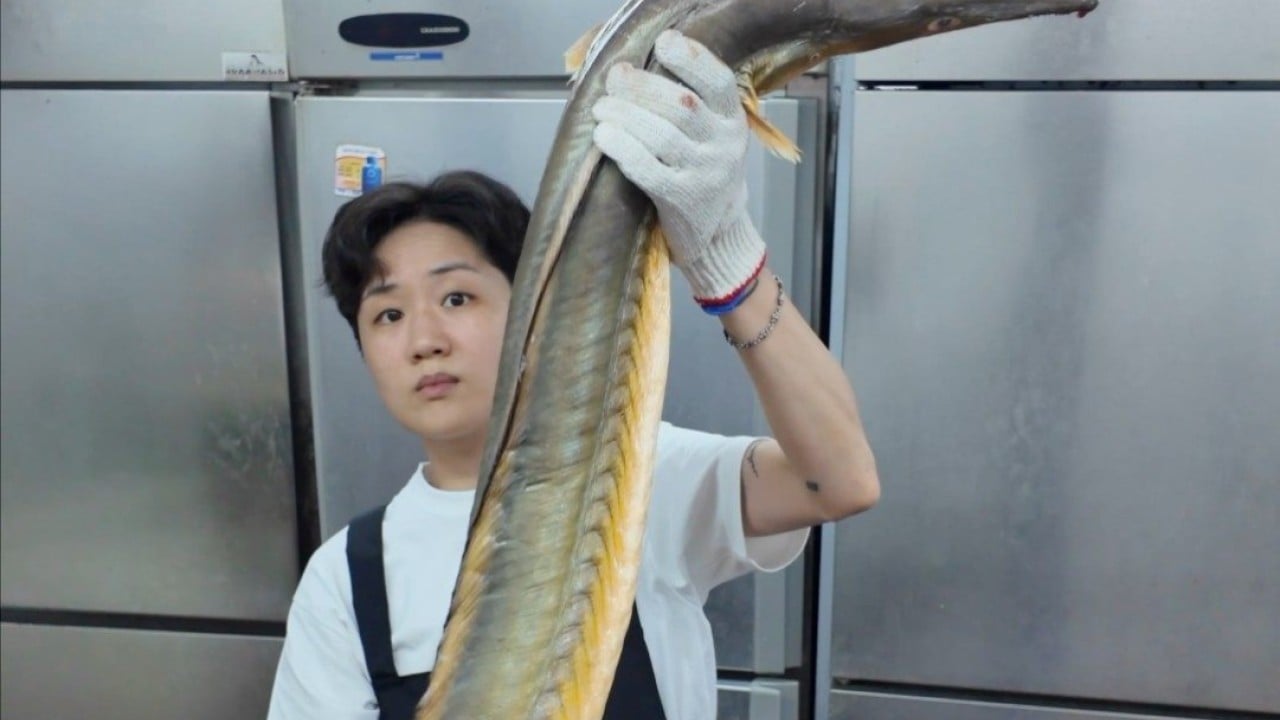
The Diplomat, a cocktail bar in Hong Kong’s Central district, is known for its Wagyu burger. On September 15, 2026, Mel Ng, 36, worked there, tossing a beef patty, a vlogging camera recording her movements. Bar founder John Nugent explained burger components, offering American orange cheddar slices to taste. This was the 31st stop in Ng’s 'staging' series, which showcases behind-the-scenes kitchen storytelling from fish ball joints to Michelin-starred establishments.
This project, documented on Instagram, reveals a shift in how culinary narratives are constructed and consumed. Traditional food criticism often focuses on the final product, the chef’s vision, or the dining experience. Ng’s approach, however, prioritates the preparatory labor, the raw ingredients, and the often-unseen processes that lead to a dish. Her camera, positioned on a stainless steel container, does not merely record; it frames the physical environment and the human effort within it. The series, therefore, functions as an architectural critique of the kitchen itself – its flow, its ergonomics, its capacity to facilitate precise, repetitive tasks under pressure.
The implication for Asia’s food scene, including regions like Thailand, is significant. While Hong Kong already possesses a vibrant and diverse culinary landscape, Ng’s 'staging' series moves beyond simple celebration. It suggests that the true 'story' of a dish lies not just in its taste, but in the meticulous choreography of its creation. The raw physicality of Ng tossing a patty, or a chef detailing ingredients, offers an alternative form of engagement, one that grounds the gastronomic experience in tangible, observable work. This contrasts with aspirational, often sanitized, portrayals of dining. It acknowledges the complexity and, at times, the contradiction inherent in producing high-quality food.
One might argue that focusing on kitchen work is a natural extension of existing culinary trends, such as 'farm-to-table' movements or chef documentaries. However, Ng's project distinguishes itself by its direct, unfiltered capture of the 'staging' experience – a term borrowed from theatrical production, implying rehearsal and preparation before a performance. This isn't a polished documentary; it’s a series of vignettes illustrating the foundational work. The challenge, of course, is whether this granular focus on process can sustain audience engagement over time, particularly for those accustomed to more direct gratification from food media. Will the sheer repetition of similar actions across different kitchens eventually dilute the impact? The series’ success, as reported, suggests a current appetite for this perspective.
Ultimately, Ng’s 'staging' series speaks to a wider habit of seeking authenticity and transparency in consumption. It does not just show what is cooked, but how it functions within the climate of a working kitchen. By foregrounding the precision and discipline of the people who use these spaces, it offers a richer, more grounded understanding of Hong Kong’s, and by extension, Asia’s, culinary depth. The question remains: how will future projects expand this model to acknowledge the broader ecosystem, including sourcing and waste, without losing its immediate, human-centered focus?
Sources
Newsletter
Pacific Daily
A curated briefing from Thailand, Asia-Pacific and the world.