The Fashion Contest, the Judge, and the Real Economy
A Hong Kong fashion event offers a lesson beyond design trends: the enduring tension between artistic vision and commercial viability in Asia's creative sectors.
SINGAPORE
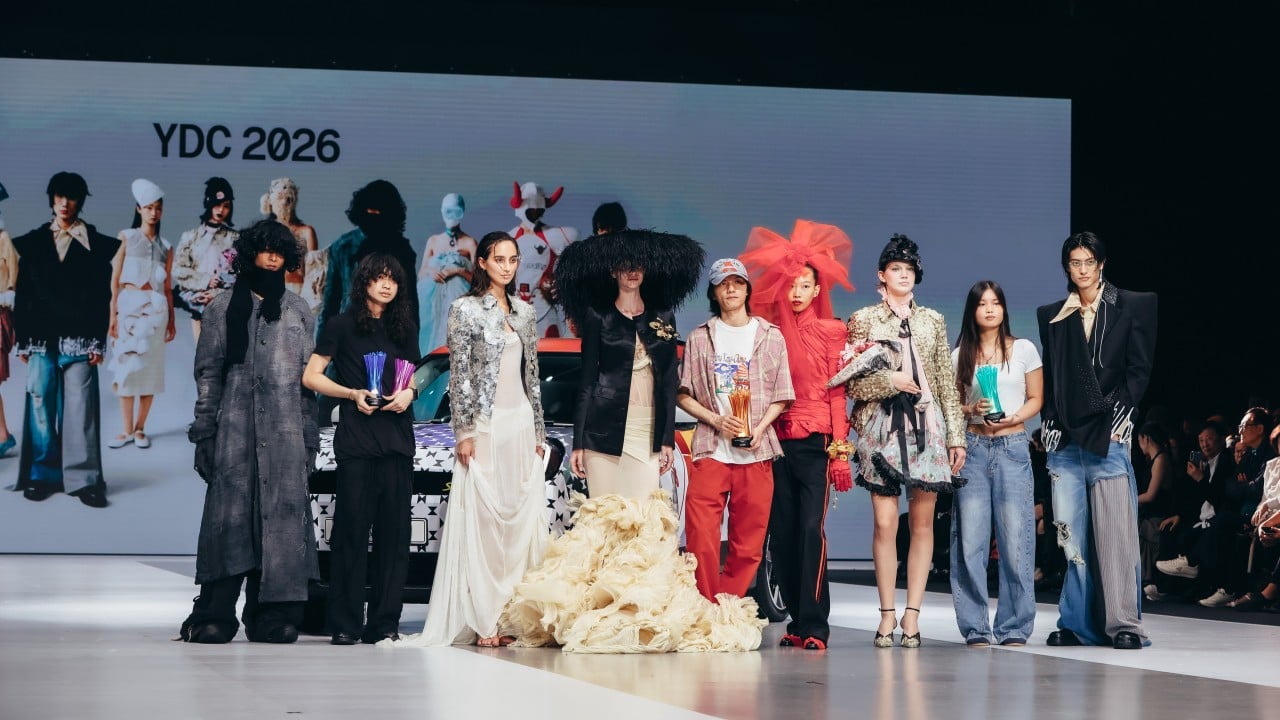
The Hong Kong Young Fashion Designers’ Contest, an event organised by the Hong Kong Trade Development Council since 1977, recently concluded, seeing a champion from Cantopop and other prize winners. The contest is a long-standing fixture, culminating in ten local finalists presenting finished looks with a manufacturer already attached. However, the most salient detail may not be the winners or their inspirations, which included memories of a ruined wedding.
Rok Hwang, the VIP judge, offered a direct instruction: designers should aim to “find a customer, not a bubble.” This statement, delivered within a contest designed to spotlight emerging talent, highlights a recurring tension within creative industries across the Asia-Pacific region. On one hand, there is the impetus to foster artistic innovation, to celebrate unique vision. On the other, there is the fundamental requirement for economic sustainability. The presence of a manufacturer for the finalists underscores this commercial imperative. The judge’s caution suggests a perceived disconnect, a risk that creative endeavors might become self-referential or detached from market realities.
This dynamic is not unique to Hong Kong or fashion. Across various sectors, from the arts to technology, regional economies frequently grapple with how to cultivate creativity while ensuring it translates into tangible value. Hong Kong’s broader economic landscape, as indicated by its first five-year plan aiming to add jobs and homes, and the rush of foreign borrowers into Asia-Pacific bond markets, points to a focus on practical economic growth. Even as Airbus forecasts China driving Asia-Pacific aviation growth, suggesting robust commercial activity, the arts face a distinct challenge in aligning creative output with market demand. The judge’s remarks serve as a reminder that even state-supported cultural initiatives must eventually answer to the market.
"Find a customer, not a bubble."
Yet, a counterargument exists. The very purpose of such contests is often to allow for experimentation, to push boundaries without immediate commercial pressures. If every design must immediately appeal to a mass market, the potential for truly groundbreaking, future-defining aesthetics might be stifled. Artistic “bubbles,” in some contexts, can incubate ideas that later become widely adopted. The issue is not the existence of such creative spaces, but their duration and eventual transition to commercial application. The judge’s comment, in this light, is less an indictment of creativity itself and more a pragmatic steer towards longevity, suggesting that pure artistic merit, however celebrated, rarely sustains a career or an industry without a corresponding market. The challenge remains in balancing these two imperatives, fostering innovation while demanding eventual relevance, a balance which Thailand and its neighbours continue to negotiate across their own developing creative sectors.
Sources
Newsletter
Pacific Daily
A curated briefing from Thailand, Asia-Pacific and the world.