Beyond the Plate: MasterChef Asia’s Return Tests Cultural Identity
The rebooted series promises to showcase Asian cuisine, but its success hinges on navigating the complex narratives that define the region's food traditions.
SINGAPORE
A familiar pattern emerges when popular culture attempts to distill complex regional identities into digestible formats. The announcement of MasterChef Asia’s return, after a decade’s absence, offers a fresh opportunity to examine this impulse. Reported by SCMP Lifestyle on 2026-09-20, the series aims to represent the region’s home cooks and flavours on screen, addressing a widely held perception that Asian cuisine is often viewed merely as a menu category, rather than a rich collection of histories, techniques, and migrations.
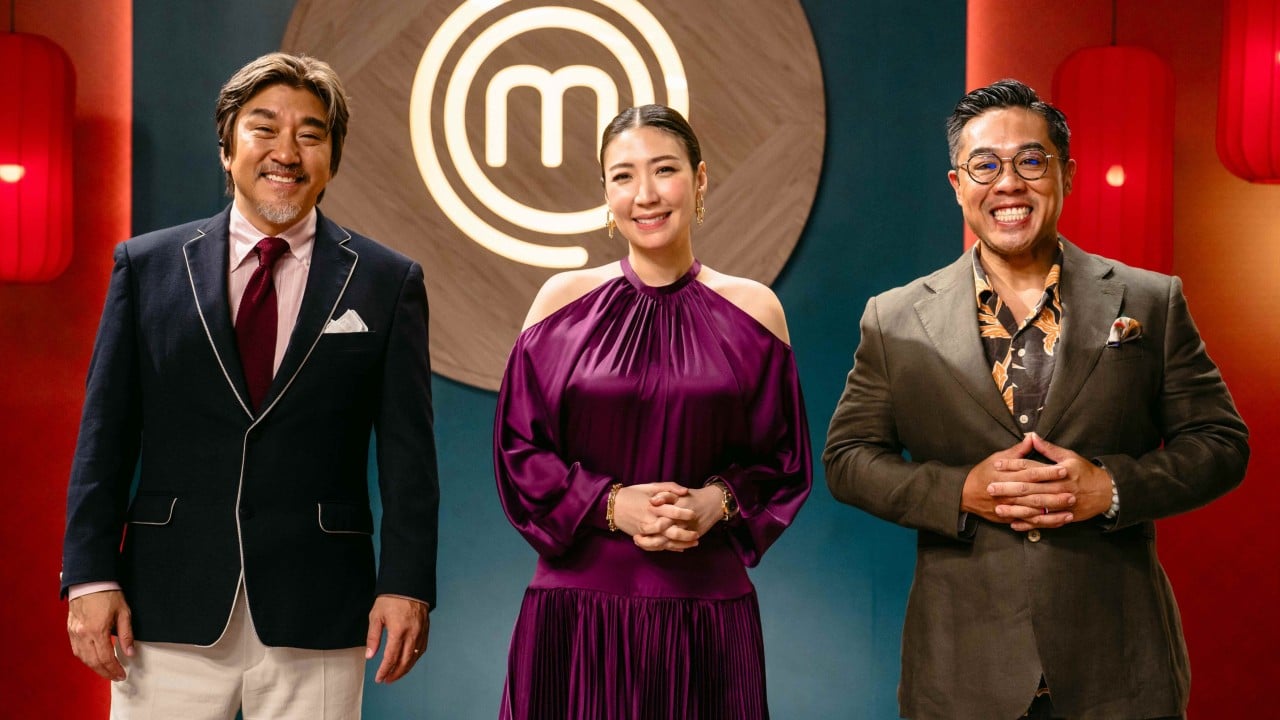
The premise is straightforward: elevate thousands of regional techniques and ingredients that have, according to the source, been overshadowed by a few familiar dishes. Chefs Edward Lee, Pichaya ‘Pam’ Soontornyanakij, and Kelvin Cheung are named as judges, tasked with the considerable challenge of assessing culinary ambition rooted in deep, personal connections. This represents an attempt to reclaim and reframe a narrative often simplified in global discourse.
However, the very act of judging and curating such a vast and varied culinary landscape introduces its own set of tensions. Food, particularly in Asia, is not just sustenance; it is a repository of memory, a marker of identity, and a conduit for cultural expression. The incident reported on 2026-06-10 by The Straits Times, where a Malaysian-American contestant apologised for mispronouncing ‘roti canai’ on MasterChef, highlights the fragility of these cultural markers. A simple linguistic slip became a public matter, reflecting the fierce protectiveness communities feel towards their culinary heritage. What constitutes a “correct” or “authentic” representation in a televised competition becomes a minefield when the nuances of language, regional variations, and ancestral techniques are at stake.
The challenge for MasterChef Asia lies in avoiding the pitfalls of homogenisation or tokenism, which often accompany broad cultural showcases. To succeed, the show must demonstrate an understanding that culinary authenticity is not a static concept but a dynamic interplay of tradition and adaptation across a continent with diverse historical trajectories. The judges, regardless of their own deep connections, will inevitably face pressure to balance entertainment value with an accurate, respectful portrayal of dishes that carry immense cultural weight for millions. The series will implicitly ask: how can one television show encompass the culinary universe spanning from, for example, the intricate court dishes of Thailand to the vibrant street foods of the Philippines, without reducing them to a singular, marketable “Asian” identity?
The risk is that, in attempting to capture the breadth of Asian cuisine, the programme inadvertently reinforces a pan-Asian culinary identity that overlooks critical regional distinctions. The true test for MasterChef Asia 2026 will be its capacity to celebrate regional diversity and specificity, rather than inadvertently creating new, simplified narratives. The series, therefore, offers a lens through which to observe not just cooking, but the ongoing negotiation of cultural identity in an increasingly interconnected, yet stubbornly distinct, Asia-Pacific.
Sources
Newsletter
Pacific Daily
A curated briefing from Thailand, Asia-Pacific and the world.