The Invisible Hand: How Ancient Geomancy Shapes Modern Skylines in Hong Kong and Singapore
From auspicious orientations to strategic water features, the enduring influence of Feng Shui is not merely superstition, but a deeply ingrained cultural practice that guides contemporary architectural and interior design in two of Asia's most dynamic cities.
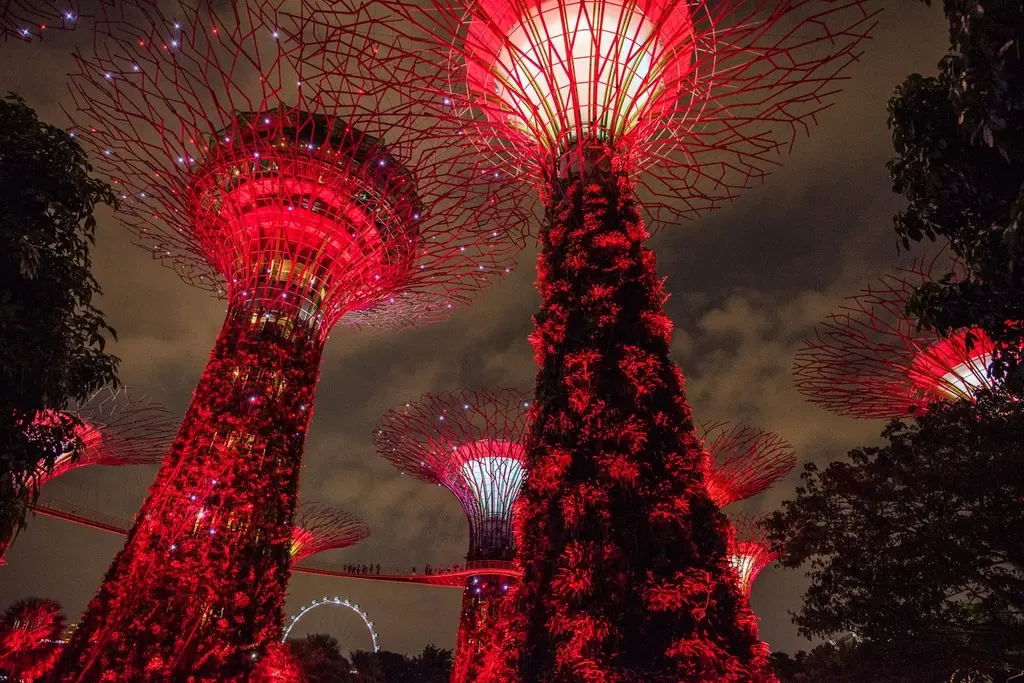
SINGAPORE
As a Hospitality Correspondent traversing the Asia-Pacific, one often encounters architectural marvels that defy purely Western rationales. In Hong Kong and Singapore, two urban powerhouses defined by their relentless pursuit of progress, a fascinating undercurrent persists: the ancient art of geomancy, more commonly known as Feng Shui. This isn't a quaint historical footnote; it’s an active, impactful force dictating everything from skyscraper placement to the color of a hotel lobby.
Consider Hong Kong’s iconic skyline. It’s no accident that the Bank of China Tower, despite its striking modernism, faces a perennial challenge with its sharply angled edges, which are often perceived as 'cutting' good fortune (Qi). Contrast this with the HSBC Building, designed by Norman Foster, which boasts an open ground floor allowing Qi to flow freely, and strategically placed escalators that angle upwards to funnel prosperity. While Western architects might dismiss such considerations as superstition, Hong Kong’s elite often engage Feng Shui masters during the design phase, their pronouncements carrying as much weight as a structural engineer's report.
My recent consultations with leading architects in Central revealed a pragmatic approach. "Ignoring Feng Shui here is not an option," one prominent designer confided. "Clients, whether corporate or individual, expect it. It's about harmony, flow, and perceived good fortune – elements that directly impact tenancy and success." This translates into tangible design choices: office towers might incorporate water features near their entrances to 'collect' wealth, while specific building heights or shapes might be avoided if deemed inauspicious by a reputable master.
Singapore, a city-state known for its meticulous urban planning, similarly integrates these ancient principles. Marina Bay Sands, a triumph of contemporary engineering and design, famously had its groundbreaking delayed for a year to align with an auspicious date. Its three towers, seemingly arbitrary in their staggered arrangement, are said to represent the three major star constellations revered in Feng Shui, while the SkyPark 'boat' on top serves as a symbolic 'carrier' of wealth and prosperity for the nation. Even the orientation of its famous infinity pool is said to have been carefully considered to maximize positive energy flow across the bay.
"Feng Shui in Asia isn't about blind adherence; it's a sophisticated cultural lens through which success and well-being are understood."
Hotels, especially luxury establishments, are particularly adept at weaving Feng Shui into their fabric. Lobby layouts are meticulously planned to ensure that positive Qi enters and circulates effectively, avoiding dead ends or direct lines to exits that could allow good fortune to escape. Room numbers, bed orientations, and even the placement of mirrors are often adjusted based on client or owner preferences informed by geomancy. It’s a subtle yet pervasive influence that seeks to enhance guest comfort and auspiciousness, often without guests even realizing the meticulous planning behind it.
The economic implications are not trivial. Properties designed with favourable Feng Shui often command higher prices and rental yields. Developers, keenly aware of this market demand, will market properties explicitly highlighting their auspicious features. It’s a compelling argument for the pragmatic integration of tradition into modernity: what might seem esoteric to an outsider is, to the local market, a crucial value proposition.
This isn't to say that Feng Shui stifles innovation. Rather, it acts as a unique design constraint, pushing architects and designers to find creative solutions within an established framework. The result is a unique architectural language that blends cutting-edge technology and aesthetics with timeless wisdom, creating urban environments that are not just functional and beautiful, but also resonate deeply with the cultural psyche of their inhabitants. In Hong Kong and Singapore, the 'invisible hand' of geomancy continues to shape the visible landscape, proving that ancient beliefs can indeed thrive and evolve within the most modern of contexts.
Newsletter
Pacific Daily
A curated briefing from Thailand, Asia-Pacific and the world.