Avellaneda’s Reel Revival: A Blueprint for Asia-Pacific’s Cultural Goldmines
The transformation of an Argentine oil mill into an audiovisual hub offers a compelling lesson in heritage, innovation, and economic opportunity for our region.
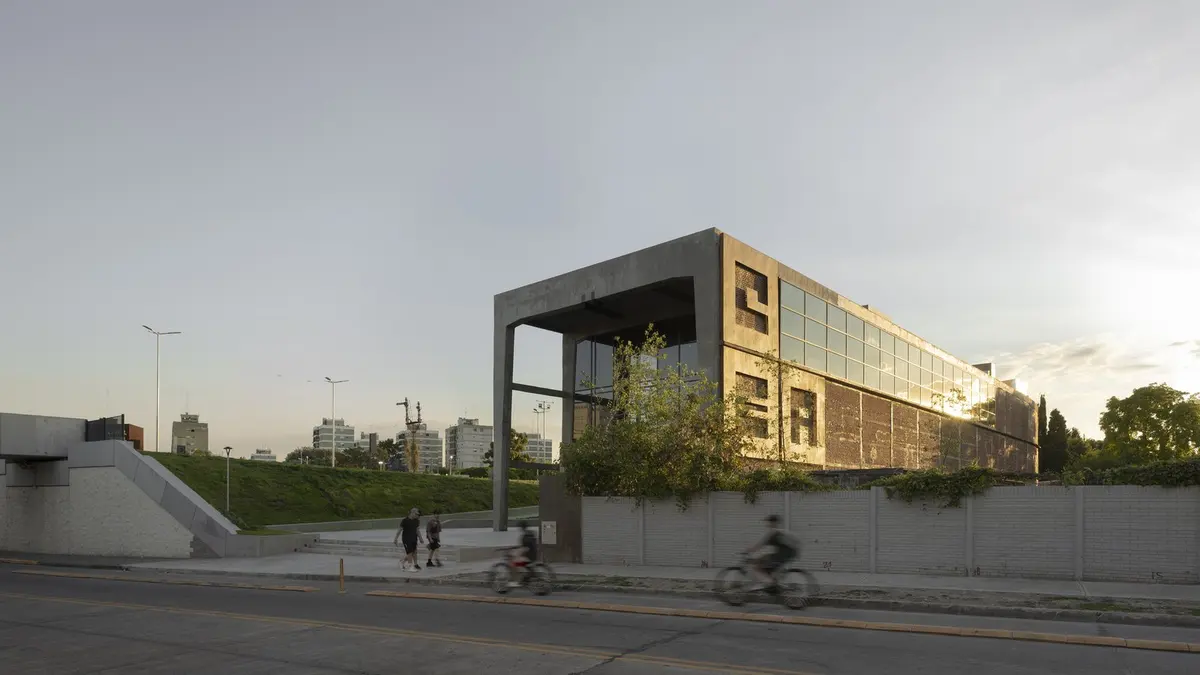
The recent unveiling of Avellaneda’s Audiovisual Experimentation Center (CEA) in Argentina has sent a quiet ripple across the design world, but for those of us observing the evolving urban landscapes of the Asia-Pacific, it’s a thunderclap of potential. This isn't just another architectural marvel; it's a profound statement on how we can, and indeed must, reimagine our industrial past for a vibrant cultural future. For Thailand, and many of its neighbours grappling with rapid development and the preservation of identity, the CEA offers a tantalising blueprint.
The CEA’s genesis is particularly instructive: a former oil mill, rather than being razed or merely 'restored' as a static monument, has been surgically reactivated. It now stands as a dynamic municipal archive for audiovisual heritage – a hub for preservation, restoration, and dissemination. This 'critical reactivation' is key. It moves beyond the often-costly and sometimes-sterile exercise of historical conservation to inject new purpose and economic vitality into a disused structure. Imagine the myriad abandoned textile factories in Thailand’s Samut Prakan, the colonial-era godowns lining Singapore’s rivers, or the disused rice mills of the Philippines’ provinces. These are not just derelict buildings; they are vast, underutilised canvases awaiting a similar stroke of visionary transformation.
Our region is awash with rich, diverse audiovisual heritage, from classic Thai cinema and traditional performing arts recordings to historical documentaries chronicling pivotal moments across Southeast Asia. Yet, much of this invaluable material remains vulnerable, often stored in unsuitable conditions or inaccessible to the public. Bangkok, for instance, has no shortage of magnificent, yet underperforming, public spaces that could be reimagined. Consider the potential for a repurposed warehouse along the Chao Phraya River, or an old government compound in the capital’s historic core, to become a dedicated centre for digitising and showcasing Thai cinematic history. Such a venture would not only safeguard cultural assets but also cultivate new industries around media preservation, education, and creative arts, much like the film archives and digital restoration studios that have emerged in Europe.
"The Avellaneda model isn't just about saving old buildings; it's about catalysing new economies through culture."
The economic implications for the Asia-Pacific are substantial. A cultural hub of this nature generates employment – not just for architects and conservators, but for digital technicians, historians, educators, event managers, and even hospitality providers catering to visiting scholars and artists. It becomes a magnet for cultural tourism, drawing both domestic and international visitors keen to engage with a nation’s narrative. Furthermore, by fostering innovation in media preservation and digital storytelling, such centres can position our nations as leaders in the global creative economy, attracting foreign investment and collaborative projects.
The forward-looking implication is clear: we must shift our paradigm from mere preservation to proactive activation. This means embracing adaptive reuse not as a last resort, but as a primary strategy for urban planning and cultural development. It requires political will, creative vision, and cross-sectoral collaboration between government, cultural institutions, and private enterprise. The Avellaneda project serves as a compelling testament that industrial decay can be transformed into cultural goldmines, paving the way for a more sustainable, culturally rich, and economically robust future for the Asia-Pacific. The question isn't whether we have the heritage, but whether we have the imagination to truly unlock its potential.
Sources
Newsletter
Pacific Daily
A curated briefing from Thailand, Asia-Pacific and the world.