From Shadows to Spotlight: A Texan Transformation Echoes Asia's Own Reckonings
The conversion of a former KKK building into an arts centre in Fort Worth sparks reflections on cultural memory and urban renewal across the Pacific.
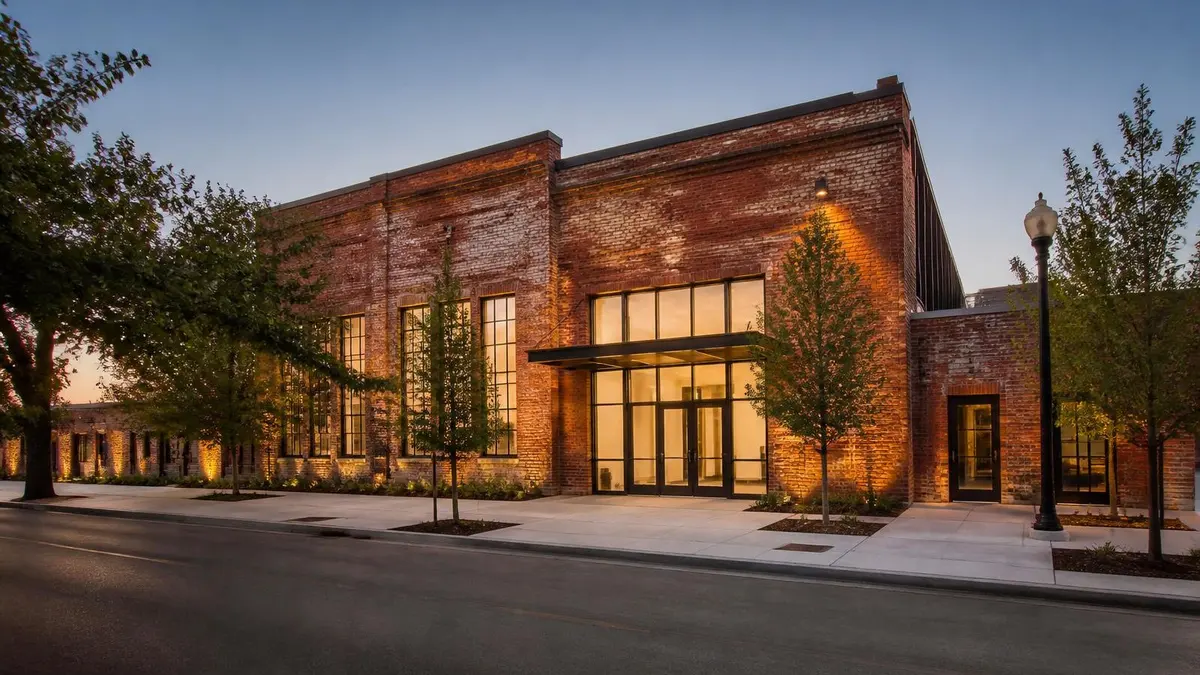
The news out of Fort Worth, Texas, carries a resonance that reaches far beyond the Lone Star State. Studio Barnes and Ch_studio's ambitious plan to transform a 1920s building once notorious as a Ku Klux Klan stronghold into a vibrant arts centre isn't just a local urban renewal project; it’s a profound act of reclaiming space and redefining narrative. This 35,000-square-foot structure, situated between Fort Worth's Historic Northside and its bustling downtown, is poised to become a “catalyst for community and restoration.” As a correspondent often focused on the intersection of culture, design, and identity, I see in this Texan endeavor a compelling mirror to challenges and opportunities we face here in Thailand and across the broader Asia-Pacific.
The KKK building, with its dark history, represents a stark physical embodiment of past injustices and division. Its metamorphosis into a hub for creativity, dialogue, and community engagement is a powerful testament to the idea that architecture can heal, and design can lead societal evolution. This isn't about erasing history but about confronting it, acknowledging the pain it caused, and then actively charting a new, more inclusive future within its very walls. It’s a deliberate, architectural intervention aimed at transforming a symbol of hate into a beacon of hope and unity. This kind of intentional transformation of stigmatized or forgotten spaces holds particular relevance in our region.
Reimagining Our Legacies
Across Asia, cities are grappling with their own complex historical legacies and the physical structures that bear witness to them. From colonial-era buildings in Singapore and Malaysia to structures linked to difficult political periods in Thailand or Cambodia, we have countless edifices that silently tell tales of varied pasts. The question often arises: how do we honor history without being imprisoned by it? How do we repurpose spaces that might evoke discomfort or even trauma, turning them into assets for contemporary society? The Fort Worth project offers a compelling blueprint. Imagine a former government building from a divisive era in Bangkok repurposed not as another generic office block, but as a multidisciplinary arts and cultural hub, fostering free expression and critical thinking. Or a disused colonial warehouse in Penang reinvented as a dynamic co-working space and artisanal market, bridging past and present through entrepreneurial spirit.
"The reclamation of contested spaces through design is a universal language of hope and progress."
Such projects are not without their challenges. Funding, community buy-in, and navigating bureaucratic hurdles are significant. Moreover, the symbolic weight of these transformations demands sensitivity and deep engagement with all stakeholders, particularly those most affected by the original history of the site. The sheer audacity of Studio Barnes and Ch_studio's vision in Texas – to confront such a potent symbol of bigotry head-on – provides a powerful lesson in courage and conviction. It underscores that design is not merely aesthetics; it is a profound tool for social commentary and societal upliftment. For our region, where rapid development often prioritizes the new over the historical, this Texan example reminds us of the invaluable potential in thoughtful, restorative urbanism.
A Forward-Looking Blueprint for Community
The most compelling forward-looking implication for Thailand and the Asia-Pacific lies in recognizing the economic and social dividends of such transformative cultural projects. An arts centre, by its very nature, is an engine for creativity, tourism, and local commerce. It draws diverse crowds, encourages dialogue, and nurtures talent. For Thailand, as it seeks to position itself as a creative economy hub, reimagining underutilized or historically charged spaces into dynamic cultural institutions could unlock tremendous value. It’s an opportunity to create unique cultural destinations that reflect our complex narratives while fostering contemporary artistic expression. This isn't just about preserving buildings; it's about preserving and cultivating cultural memory, identity, and community, ensuring that even the most difficult chapters of our past can inform a more enlightened and inclusive future.
Sources
Newsletter
Pacific Daily
A curated briefing from Thailand, Asia-Pacific and the world.