Echoes of Lisbon: Modern Interventions and Heritage in Asia's Urban Fabric
A Portuguese school's concrete extension sparks reflection on balancing tradition and innovation in Southeast Asia's rapidly evolving cities.
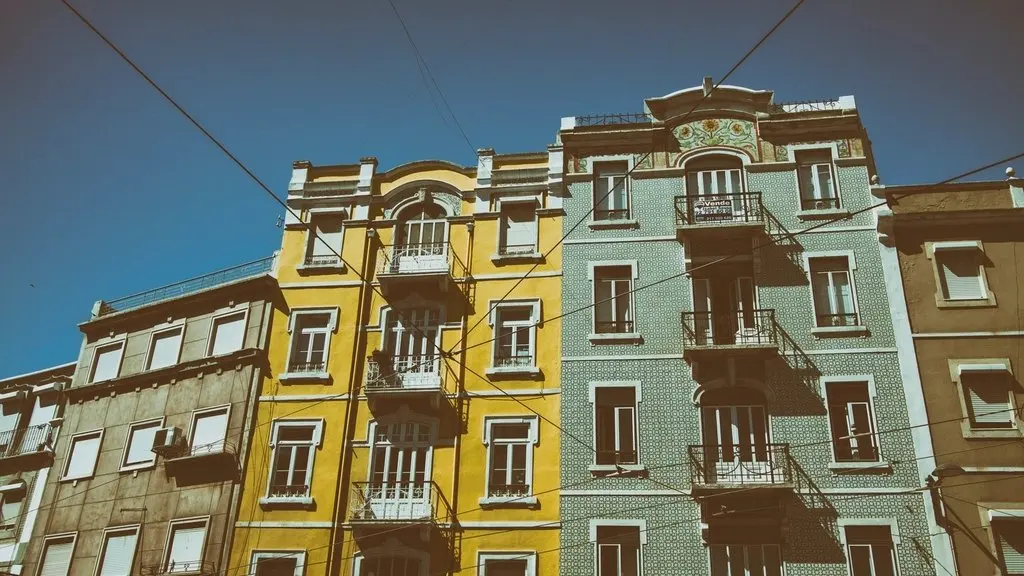
From the design desk here at PacificPressAsia, a recent report from Dezeen caught my eye, detailing how António Costa Lima Arquitectos has introduced a stack of cubic concrete volumes to Lisbon’s historic Colégio de Santa Maria school. This isn’t merely an architectural update; it’s a bold statement on how contemporary design can respectfully, yet distinctly, engage with a storied past. For those of us observing the urban transformations across Southeast Asia, particularly in bustling metropolises like Bangkok, Jakarta, or Ho Chi Minh City, this project offers a poignant mirror.
Our region is a tapestry woven with ancient traditions and colonial legacies, often expressed through venerable structures that stand as silent sentinels to history. Yet, the relentless march of development demands functionality and modernity. The Portuguese studio's approach — adding a striking, new concrete form that cascades down to a terrace and playground, rather than attempting to mimic or erase the existing early 20th-century edifice — provides a compelling blueprint. It's a dialogue of contrasts: the weight and history of the original Catholic congregation building meeting the clean, almost minimalist lines of modern concrete. This isn't about gentrification or erasure; it's about layering, adding a new chapter without tearing out the old.
The Asian Dilemma: Preservation vs. Progress
Consider Thailand, for instance. Bangkok’s historic districts, like Rattanakosin Island, grapple constantly with the pressures of urban expansion. Temples, old shophouses, and public buildings, many of which have undergone 'renovations' over the decades that sometimes strip them of their original character, now face the challenge of adapting to contemporary needs. How do you integrate a state-of-the-art educational facility into a colonial-era building without it feeling anachronistic or, worse, destructive? The Lisbon project suggests that the answer lies not in seamless integration but in a deliberate, confident juxtaposition. This requires courage from architects, clients, and planning authorities alike – the courage to allow the new to be distinctly new, yet complementary in its interaction with the old.
The Lisbon project’s concrete volumes are a reminder that true heritage respect isn't always about replication, but often about a confident, contemporary conversation across centuries.
What this means for the Asia-Pacific is profound. As our populations boom and urban centers densify, the preservation of cultural heritage cannot mean freezing our cities in time. Instead, it must evolve to accommodate growth and change. The example from Lisbon hints at a forward-looking implication: future architectural interventions in our region’s historic urban cores could adopt a philosophy of 'visible modernity'. This isn't about building shiny new towers next to ancient temples, but about thoughtful, human-scaled additions to existing heritage structures – be they schools, community centers, or even residential blocks – that serve modern purposes while creating a dynamic visual narrative with the past. Imagine a colonial-era school in Penang or a traditional 'balai' in Bali receiving a functionally distinct, yet aesthetically harmonious, contemporary extension. It would be a testament to our region's ability to innovate while steadfastly honoring its roots, proving that progress and heritage are not mutually exclusive, but rather partners in shaping a vibrant future.
Sources
Newsletter
Pacific Daily
A curated briefing from Thailand, Asia-Pacific and the world.