The Inversion of Maritime Risk Along Asian Supply Lines
Premium valuations on aging tankers expose the immediate vulnerability of maritime energy transit across the Asia-Pacific.
SINGAPORE
Maritime asset valuation traditionally follows a disciplined pattern of physical depreciation. Vessel hulls shed asset value as seawater, corrosion, and continuous engine hours degrade structural integrity, ensuring that freshly commissioned vessels command substantial premiums over aging tonnage. Capital allocators traditionally price vintage hulls at steep discounts to account for fuel inefficiency, mounting maintenance liabilities, and looming scrap-yard obsolescence. That established maritime logic has suddenly broken down across regional sea lanes.
Secondary market valuations for 15-year-old oil tankers have overtaken the prices of newly built vessels as armed conflict involving Iran disrupts international navigation corridors. Fleet operators and energy merchants are paying immediate cash premiums for vintage hulls simply because those vessels can sail immediately. In contrast, newly ordered tankers remain trapped behind multi-year backlogs at major shipyards. The resulting pricing inversion demonstrates how urgent physical access to crude has overwhelmed conventional maritime balance-sheet discipline across the Asia-Pacific.
Energy-dependent economies across Asia rely on uninterrupted maritime passage through fragile choke points to keep domestic grids illuminated and industrial factories humming. When security crises imperil navigation, charterers rapidly abandon long-term efficiency models to secure immediate floating volume. Earlier market strain demonstrated this vulnerability when regional equity indices declined and crude prices surged following moves by the United States to blockade Iranian ports. That commercial volatility has now translated directly into physical vessel acquisitions, prompting buyers to pay historic premiums for hulls approaching the conventional retirement horizon of commercial service.
Capital Measures and Policy Adjustments
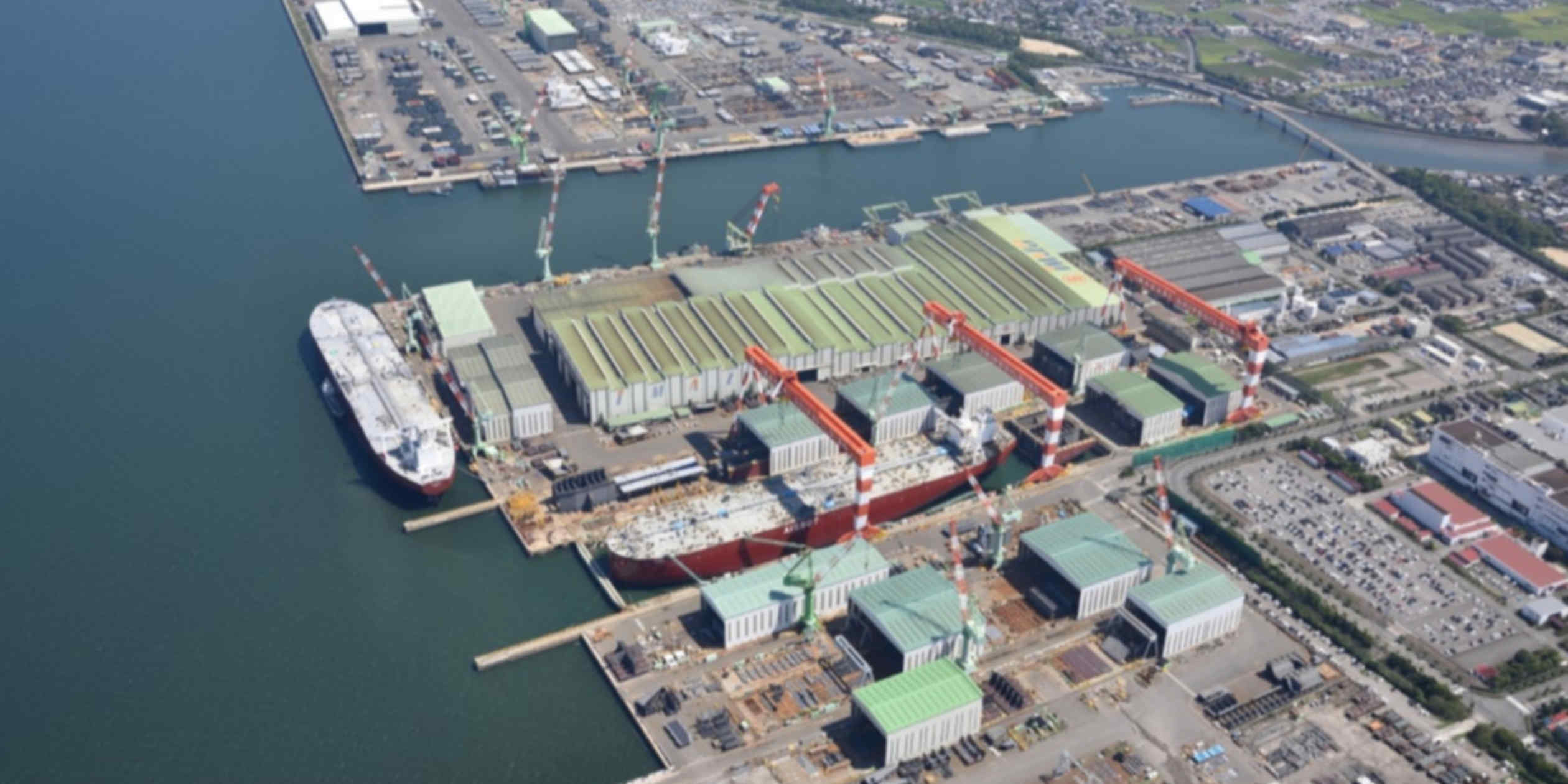
Governments in the region are already adjusting legal mechanisms and industrial policy to protect national supply corridors from acute tonnage shortages. Japan moved to allow foreign-flagged merchant ships to be incorporated into an emergency sovereign fleet during international crises. Concurrently, Tokyo has allocated 1.4 billion dollars in state subsidies to Imabari and other domestic shipbuilders to bolster sovereign commercial shipyard capacity and preserve domestic maritime engineering capability.
Immediate hull availability now supersedes efficiency, forcing regional importers to absorb systemic risk at sea.
Shipyard subsidies cannot resolve acute, short-term maritime transit disruptions. Shipbuilding docks require years of continuous labour to transform raw steel and marine engines into seaworthy very large crude carriers. Major manufacturing economies in East Asia and refining operations across Southeast Asia, including Thailand, cannot suspend petroleum intake while waiting for dockyards to clear construction queues. To prevent domestic refinery shortfalls, corporate procurement desks must trade operational durability and environmental compliance for immediate cargo capacity.
Skeptics may argue that this secondary pricing distortion represents a fleeting speculative bubble that will deflate as soon as Middle Eastern geopolitical friction dissipates. Freight rate spikes historically invite excess tonnage into circulation, correcting market imbalances once transit restrictions ease. Yet waiting for global charter rates to rebalance provides little solace to sovereign states whose basic power generation relies on unbroken sea lines of communication. In an acute supply squeeze, the prevailing imperative is not long-term asset optimization; it is avoiding acute industrial paralysis.
The Coastline Burden
Older crude carriers inherently carry higher mechanical failure rates, heavier carbon footprints, and greater structural vulnerability to maritime fatigue. When 15-year-old vessels are pressed into intense service along congested transit corridors, coastal communities flanking vital waterways bear the unpriced consequences of maritime deterioration. Sovereign littoral states maintain minimal administrative oversight over foreign-flagged carriers transiting through international straits, yet their coastal environments directly absorb the catastrophic fallout if an aging hull suffers engine failure or structural breach.
Maritime directives formulated in inland ministries continue to push aging commercial tonnage into vulnerable regional waters. As long as national energy security mandates require fuel delivery at any cost, coastal ecosystems and transit straits will shoulder the physical hazard of keeping national economies supplied. The contradiction between immediate fuel survival and marine safety remains entirely unaddressed along Asia's most crowded sea lanes.
Sources
Newsletter
Pacific Daily
A curated briefing from Thailand, Asia-Pacific and the world.