The Hidden Costs of Climate Resilience in the Pacific
While 'Weather Ready Pacific' programs aim for safety, the economic implications for property markets and local populations warrant closer scrutiny.
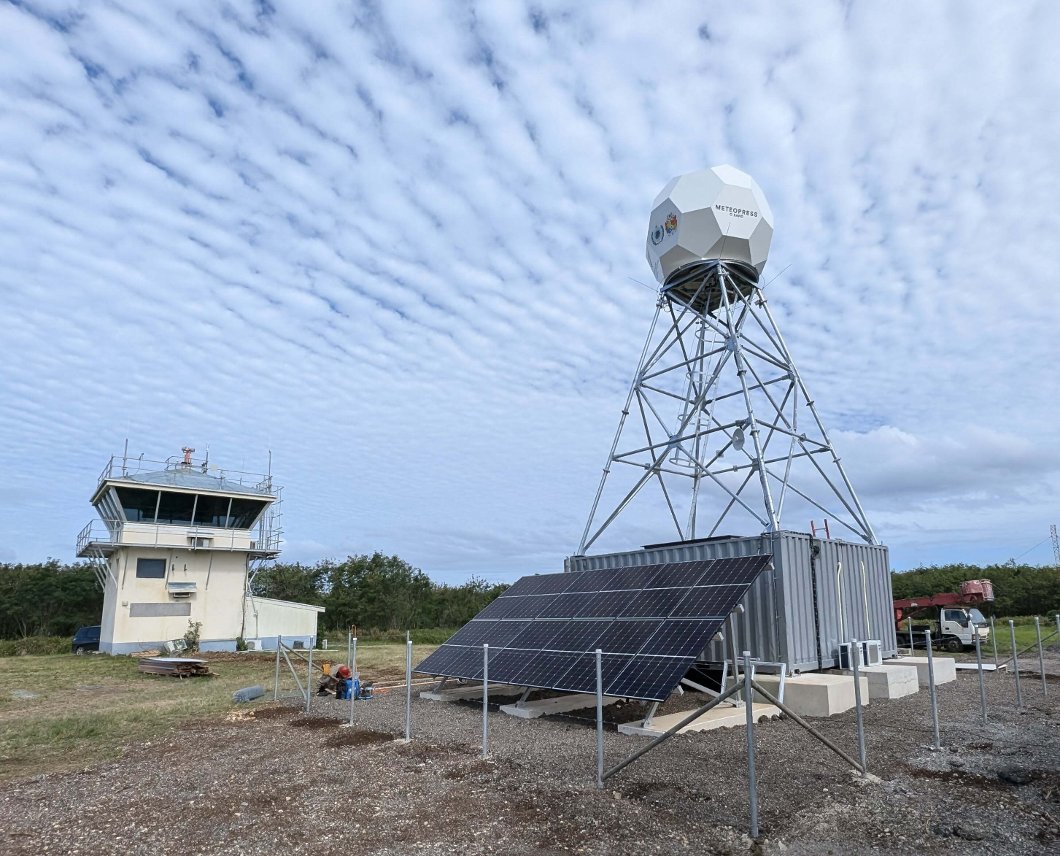
The endorsement of "Weather Ready Pacific" as a decadal program by Pacific Leaders in 2021 marks a clear intent to enhance climate resilience across the region. This initiative, described as Pacific-owned and led, positions early warning systems as a critical development. However, while the safety of populations is paramount, the financial and social architecture underpinning such large-scale initiatives suggests that not all will benefit equally, and certain segments of the population may bear disproportionate costs.
Funding for these systems, including the establishment of new weather radar in places like Tonga, is primarily channeled through international aid and grants, as evidenced by UNESCO’s reporting on Pacific island states embracing early warning systems. This influx of external capital, while necessary for initial infrastructure, can distort local economic realities. The provision of advanced meteorological and geohazard monitoring, intended to mitigate the physical risks of floods and other extreme weather events – like those recently impacting Washington and the Pacific Northwest – does not automatically translate into economic stability for the majority. It addresses a symptom, not the underlying vulnerabilities.
The stated goal of saving lives is a defensible conclusion, supported by the direct link between early warnings and disaster preparedness. However, the economic implications for property, particularly for those with limited assets, are less clear. Improved early warning systems, by reducing physical risk, could theoretically make certain areas more attractive for investment. This creates a potential for land value appreciation, driven by perceived safety and external capital. For existing property owners with secure titles, this might represent a gain. Yet, for informal settlements or those whose land rights are less codified, this appreciation could translate into increased pressure, displacement, or an inability to afford newly valued properties, effectively pricing out vulnerable populations.
The development of a regional body and strategy for geohazards, as vowed by UNESCO-convened experts, points to a systematized approach. This centralization, while efficient for coordination, carries the risk of overlooking granular local economic contexts. The focus remains on physical infrastructure and technical solutions, which are easier to quantify and report. However, the market dynamics—how risk mitigation influences demand, supply, and affordability of land and housing—are complex and often adverse to those at the economic margins.
The counterargument posits that early warning systems are a foundational public good, crucial for human safety and, by extension, for maintaining any form of economic activity. Without such protections, all property and livelihoods are at greater risk, rendering long-term economic development impossible. From this perspective, the investment is a necessary precondition for stability and future growth, potentially safeguarding existing property values by reducing catastrophic losses. This is a strong argument, particularly given the escalating frequency of climate events.
Yet, the critical question of who benefits from the *economic* consequences of improved safety remains largely unaddressed. While the immediate goal is to save lives, the market response to reduced physical risk can exacerbate existing inequalities. There is an incentive for capital to flow into areas deemed safer, potentially accelerating gentrification or displacement in vulnerable communities. The cost of enhanced resilience, while not borne directly by local populations in terms of infrastructure investment, can manifest as increased living expenses or an inability to participate in the formal property market. The outcome now depends on whether the economic planning accompanying these resilience efforts proactively addresses market displacement rather than solely focusing on technical implementation.
Sources
Newsletter
Pacific Daily
A curated briefing from Thailand, Asia-Pacific and the world.