Canada's Migration Strategy: A Test of Long-Term Integration Costs
While Canada extends pathways to permanent residency for temporary foreign workers, the practical implications for the Asia-Pacific region, particularly Thailand, are complex and demand scrutiny beyond immediate economic gains.
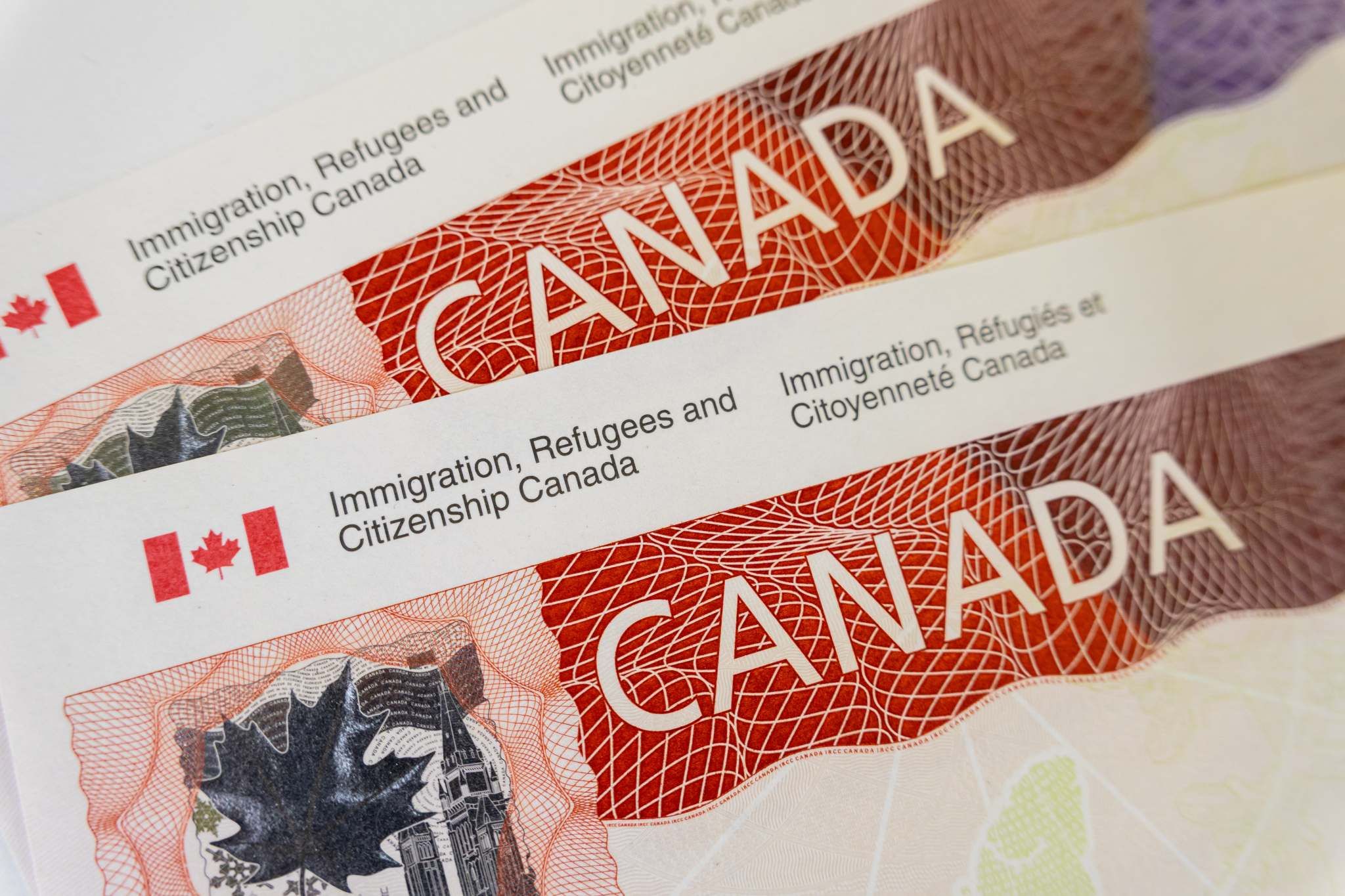
Canada recently announced an initiative to transition 33,000 skilled temporary foreign workers to permanent residency status between 2026 and 2027, with 2,000 workers already invited to apply. Immigration, Refugees and Citizenship Canada (IRCC) spokesperson Matthew Krupovich stated this measure targets individuals already contributing to Canada’s economy across sectors experiencing labor gaps and rural areas.
This policy, framed as an acknowledgment of existing contributions and community roots, highlights a technique for addressing labor shortages. The approach centers on converting temporary labor into a permanent workforce, ostensibly to stabilize segments of the Canadian economy. The immediate benefit to Canada is clear: securing skilled workers in areas of demand without the initial recruitment costs associated with new immigration streams. For workers from countries like Thailand, this offers a significant opportunity for long-term residency and perceived stability.
However, the costs of sustaining such a technique are not immediately visible. Transitioning workers from temporary to permanent status requires more than just administrative processing; it necessitates deep integration into Canada's social and economic fabric. This includes access to healthcare, education, housing, and social services, all of which carry fiscal implications. While IRCC emphasizes workers' existing contributions and roots, the shift to permanent residency fundamentally alters their relationship with the state, moving from transient economic contributors to full citizens or permanent residents with comprehensive entitlements. The stated purpose of acknowledging contributions does not fully detail the reciprocal obligations of the state.
For the Asia-Pacific region, and Thailand specifically, this Canadian policy could have a dual effect. On one hand, it offers a destination for skilled Thai workers seeking economic opportunities and permanent residency, potentially easing domestic unemployment in certain sectors. On the other, it represents a continued drain of skilled labor, particularly in high-demand fields, which Thailand itself may require for its own development. The precise number of Thai workers among the 33,000 is not specified, but the broader principle applies. The question is not merely whether these individuals can find work, but what long-term societal and economic infrastructure must be in place to support their full integration, and who ultimately bears that cost.
Indeed, some might argue that the economic benefits from these workers, already integrated into the Canadian economy, far outweigh the costs of permanent residency. This perspective holds that by retaining these workers, Canada secures their ongoing tax contributions and fills critical labor market gaps, thus stimulating growth. However, this argument tends to simplify the complex transition from a temporary, often lower-cost, labor pool to a fully integrated, entitled resident population. The costs associated with full social and civic inclusion are often externalized or delayed in public accounting, appearing not as direct program expenses but as strains on existing public services.
Ultimately, this Canadian strategy is a calculation that prioritizes the retention of a proven workforce. The technique is to convert an existing, known quantity into a stable asset. Yet, the long-term sustainability of this approach for both the host country and the countries of origin like Thailand depends on a clear understanding of the full economic and social investment required, beyond the initial invitation to apply. The episode highlights how the demand for skilled labor translates into increasingly sophisticated, and potentially more costly, methods of permanent integration rather than temporary solutions.
Sources
Newsletter
Pacific Daily
A curated briefing from Thailand, Asia-Pacific and the world.