The 'Remote' Illusion: How Far Can an Experience Be Marketed?
Quttinirpaaq National Park, and the commodification of distance.
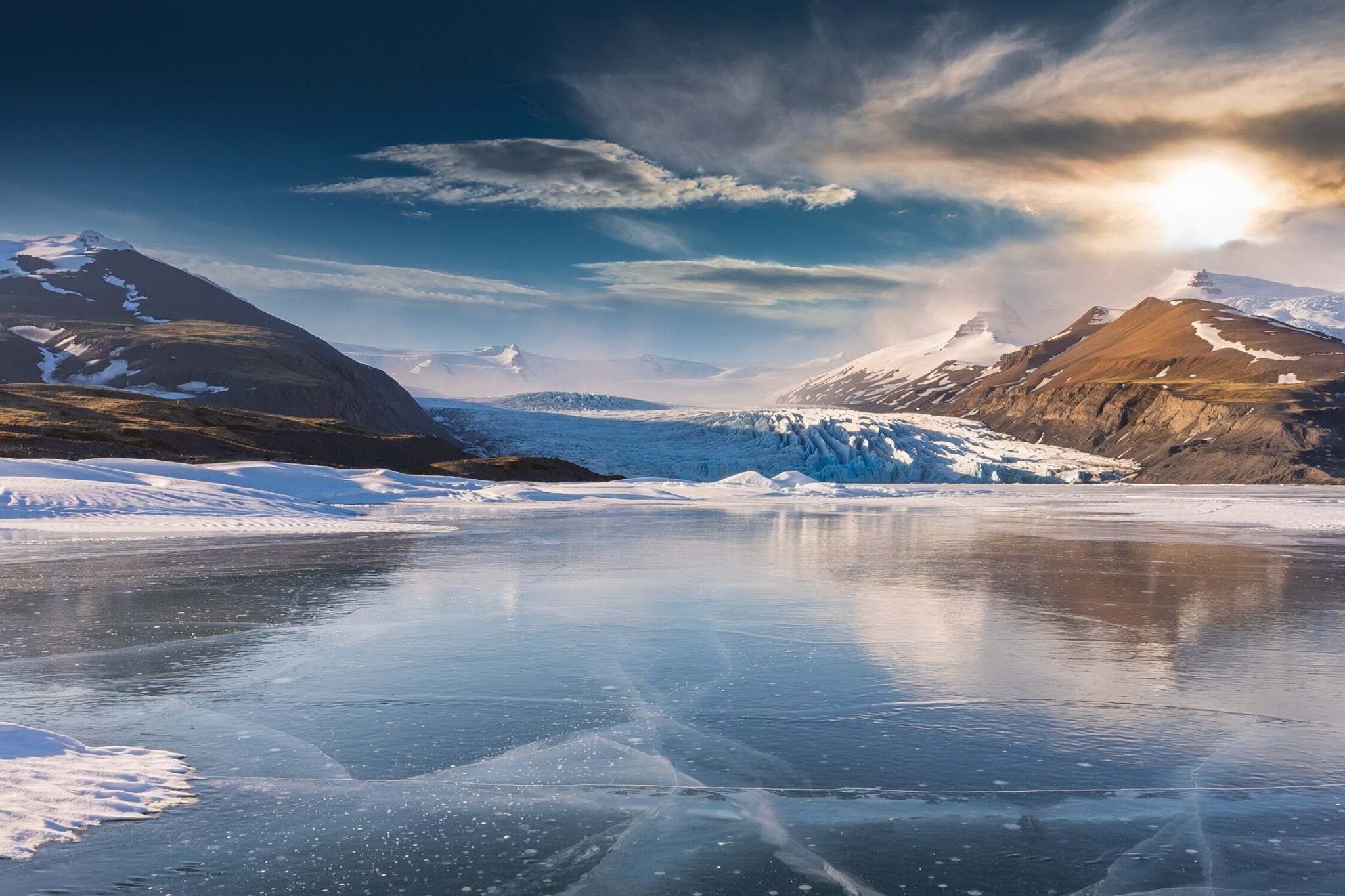
The Quttinirpaaq National Park, situated in Nunavut, Canada, appears on Condé Nast Traveler’s list of the world's most remote places one can visit. Its location on Ellesmere Island, 720 kilometers from the North Pole, positions it as a site of extreme isolation. The Inuktitut name, meaning “at the top,” reinforces this perception. Yet, only 150 individuals visit the park annually, a number that raises questions about the practical definition of 'remote' when applied to a marketable experience.
For a culinary critic, the concept of remoteness often translates into discussions of ingredient sourcing, supply chain logistics, and the integrity of a regional cuisine. Here, the 'product' is the remoteness itself. Parks Canada describes a landscape of mountains, glaciers, and fjords. This environmental portrait is presented alongside the park's limited accessibility, with the Daily Hive Vancouver article of 2026 highlighting its appeal for those seeking peace and quiet. The BBC, in 2025, reported on new tours opening in remote Canada, and on Canada's remote islands reclaiming their future, suggesting an emerging industry built around isolation.
While the Quttinirpaaq narrative emphasizes an escape, it simultaneously positions remoteness as a curated commodity. The act of placing a national park on a list of ‘visitable’ remote places transforms it from an environmental phenomenon into a consumer destination. The claim that it is a place where one can “get away from it all” is directly contradicted by the fact that it is a listed, marketed location, complete with a recorded annual visitor count. This shift implies a commercial value being extracted from geographic isolation, not unlike the way a specific terroir imbues a food product with value.
The economic implications for the Asia-Pacific region, particularly Thailand, lie in this commodification model. Thailand’s tourism sector has long relied on marketing unique natural environments and cultural experiences. The push to monetize ‘remoteness’ — as evidenced by the marketing of sites like Quttinirpaaq – suggests a broadening of what can constitute a premium travel offering. The 'margin' for a region like Thailand would then not only be from conventional attractions but also from less accessible or previously unmarketed locales, provided they can be packaged as exclusive, 'remote' escapes. However, this raises the question of how such experiences are sustained once they become widely advertised.
The challenge remains: how is 'remoteness' maintained when it becomes a commercial product? The very act of promoting a location as remote for tourism begins to erode that quality. The current annual visitor count of 150 suggests a highly controlled access, which may preserve the experience. However, an increase in visitors, spurred by such listings, would invariably alter the fundamental characteristic being sold. The tension between marketing a place for its isolation and preserving that isolation for the visitor is unresolved.
Sources
Newsletter
Pacific Daily
A curated briefing from Thailand, Asia-Pacific and the world.