South Korea's Weather on 13 October 2026: When Climate Volatility Is About More Than Rain and Temperature
A forecast can tell us what tomorrow brings, but it cannot answer on its own whether society is ready for a changing world.
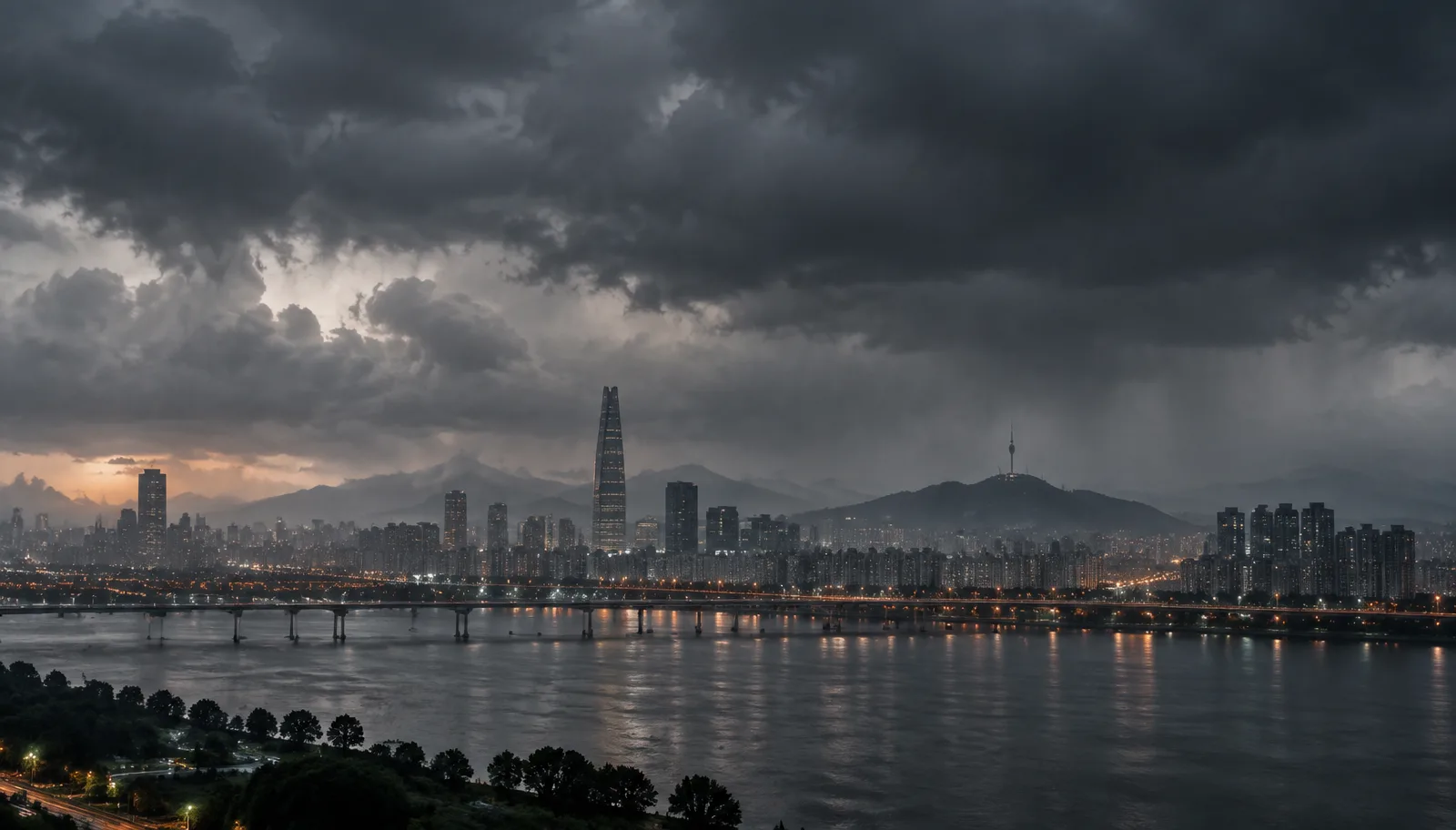
SEOUL, South Korea — On 13 October 2026, South Korea woke to heavy cloud and rain across much of the country. The Korea Meteorological Administration expected most of the rain to taper off by the afternoon, though some southern areas could see showers linger into the evening.
Forecasters put accumulated rainfall over the two days to 13 October at roughly 10–50 millimetres in Seoul, Incheon and Gyeonggi Province. Jeju Island could see 10–60 millimetres, with some mountain areas possibly receiving more than 80 millimetres.
For most people, numbers like these are useful for planning a commute or an ordinary day.
But in this writer's view, the significance of the weather does not end when the rain stops.
Behind every daily forecast lies a larger question about how ready our cities, economies and societies are for long-term climate volatility — especially when South Korea's 2026 climate data shows both extreme heat and unusually low rainfall.
Understanding the Volatility
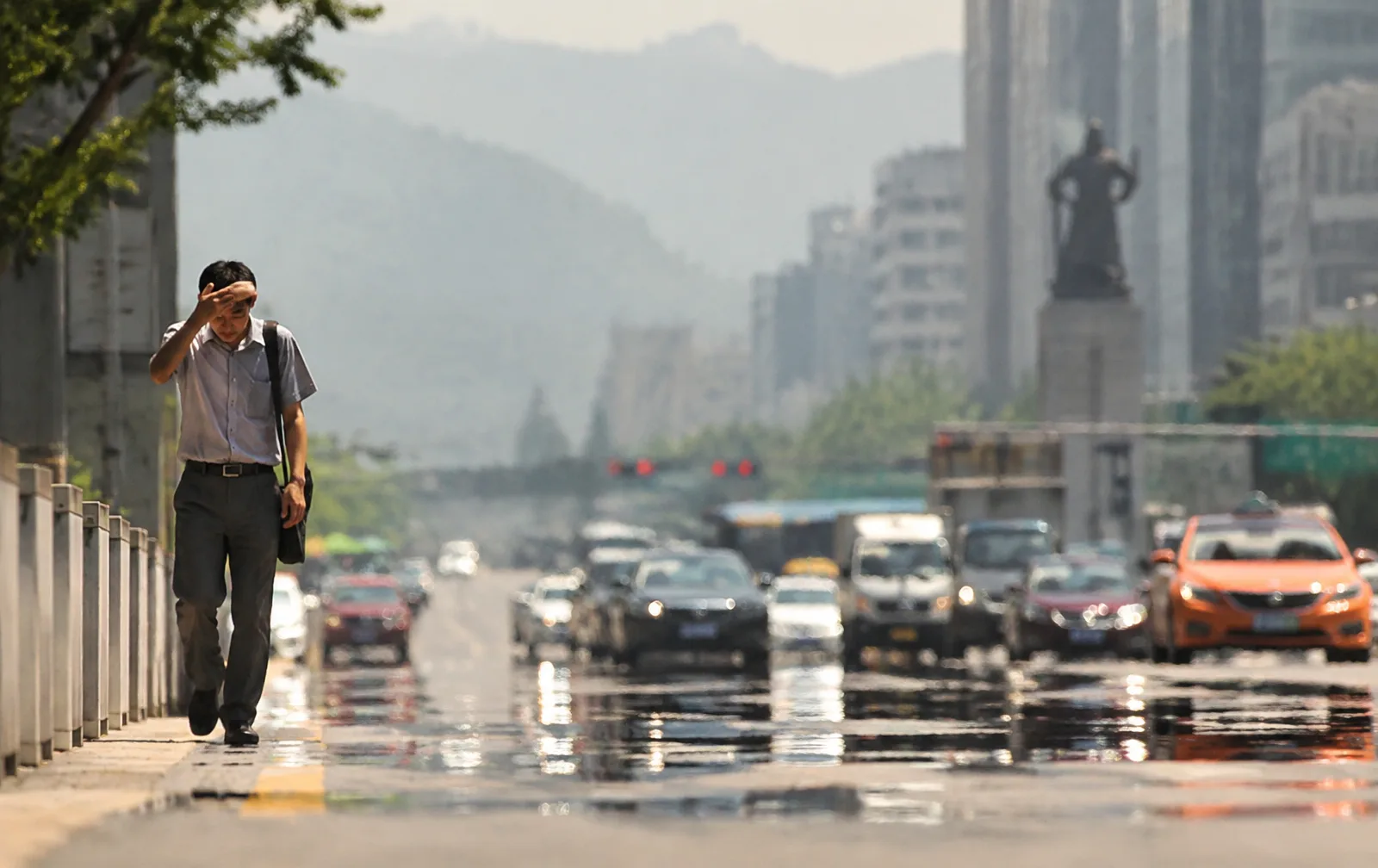
The Korea Meteorological Administration reports that the summer of 2026 averaged 25.4 degrees Celsius nationwide — about 1.7 degrees above the long-term average and the third-hottest summer since comparable observation records began in 1973.
September told a similar story from the other direction. The month averaged 21.7 degrees, 1.2 degrees above normal, yet received only 26.4 millimetres of rain on average — roughly 17 percent of the norm and the second-driest September in the dataset.
These figures show that climate risk does not have to arrive as a single dramatic downpour or a heatwave.
The anomaly can come from shifting seasonal rainfall, from more frequent hot days, or from rain that falls very unevenly from one area to the next.
That said, a clear line must be drawn between daily weather and long-term climate change.
The rain of 13 October cannot, by itself, be cited as proof that global warming caused it — not without further scientific analysis.
But long-term data showing shifts in temperature and rainfall patterns is reason enough for the country to review its capacity to handle the risks ahead.
The Costs We Do Not See
The impact of weather is not limited to damage from major disasters.
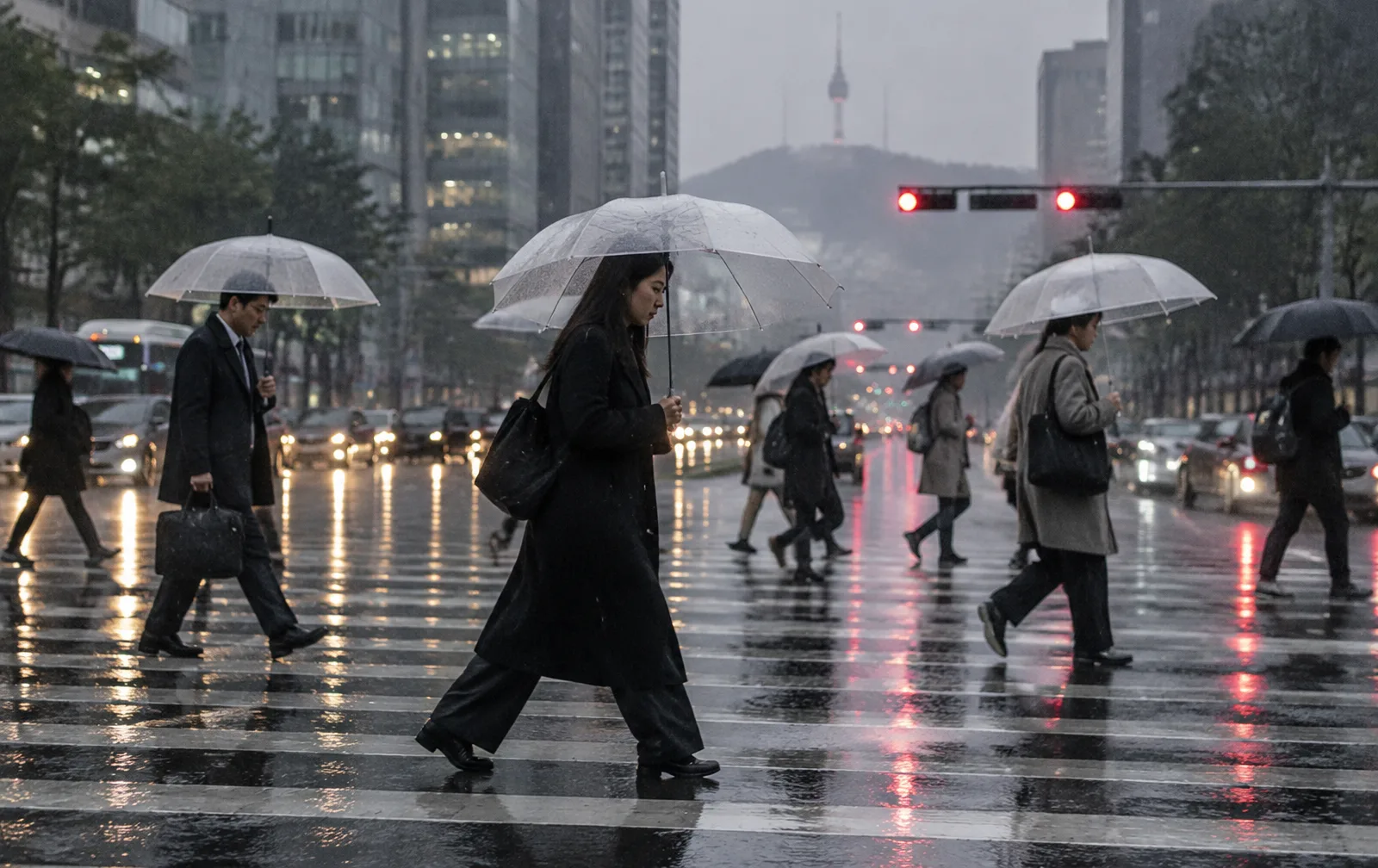
Rain at rush hour can slow entire transport systems, while extreme heat pushes up electricity demand for air conditioning.
In agriculture, shifting seasons and water availability affect planting plans and production costs.
Tourism businesses, meanwhile, must cope with weather uncertainty that bears on safety, travel and the visitor experience.
Each day's impact may look modest, but repeated often enough, the costs scattered across the economy can accumulate into a long-term burden.
That is why this writer believes climate risk should be treated as economic risk — not as an environmental issue detached from development policy.
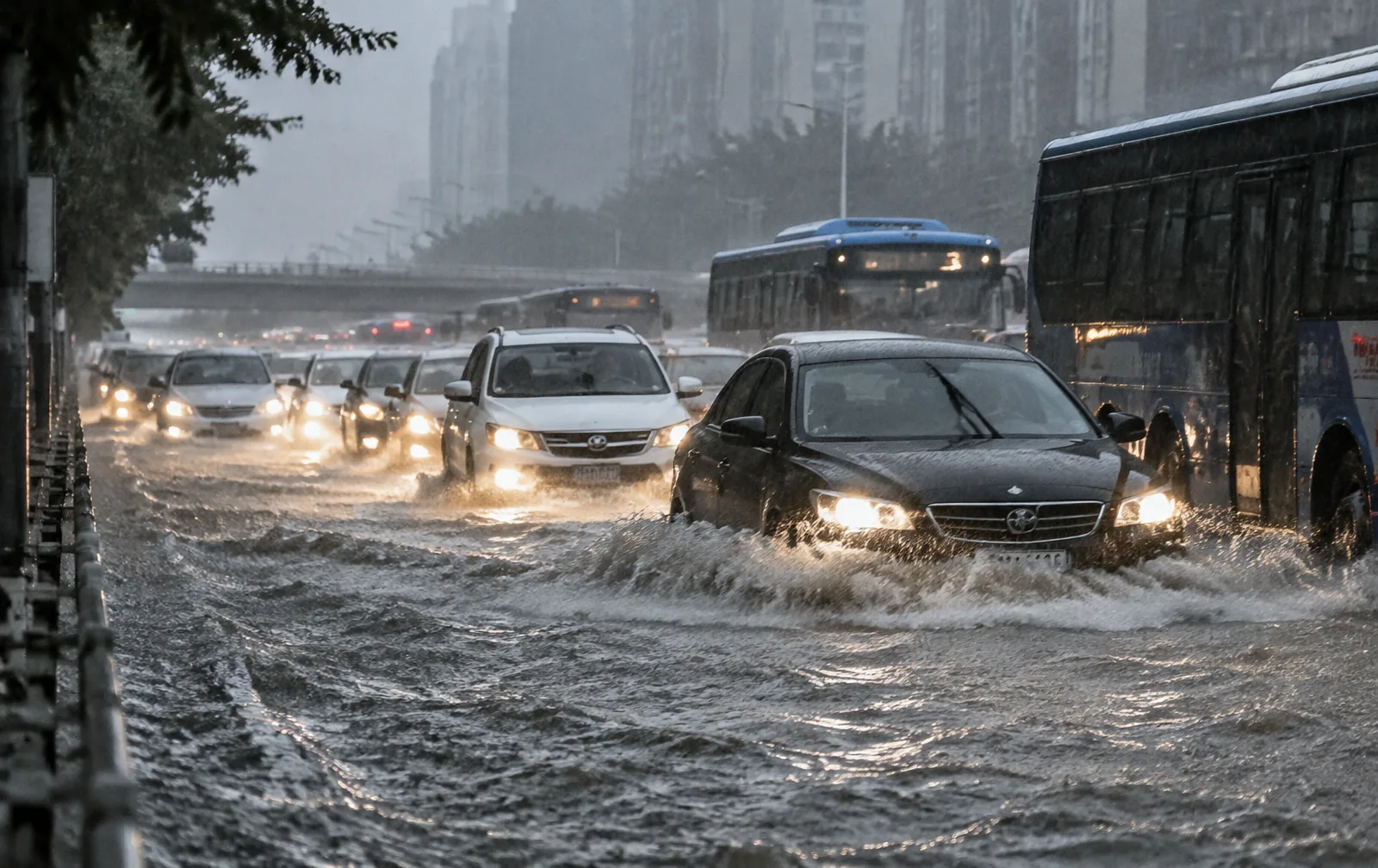
A city with inadequate drainage may suffer greater damage from more intense rain, while a city short on green space and heat-mitigation measures may face rising energy and health costs.
Investing to manage these risks costs money today, but neglect does not mean society escapes the bill tomorrow.
The real question is whether to invest ahead of time, with a plan — or to wait and carry the burden after the damage is done.
The Smart City Must Adapt
South Korea is known for its technology, digital infrastructure and modern urban development.
But technological sophistication is no guarantee that urban systems can fully withstand natural risks.
Accurate weather forecasting is enormously valuable, yet data reduces damage only when it is effectively connected to the decisions of agencies and the public.
Rainfall data, for example, should feed into drainage management, traffic control and emergency-service readiness.
Heatwave data should link to protections for outdoor workers, care for the elderly and the management of energy demand.
The meaning of a smart city should not be limited to having vast numbers of sensors and processing systems.
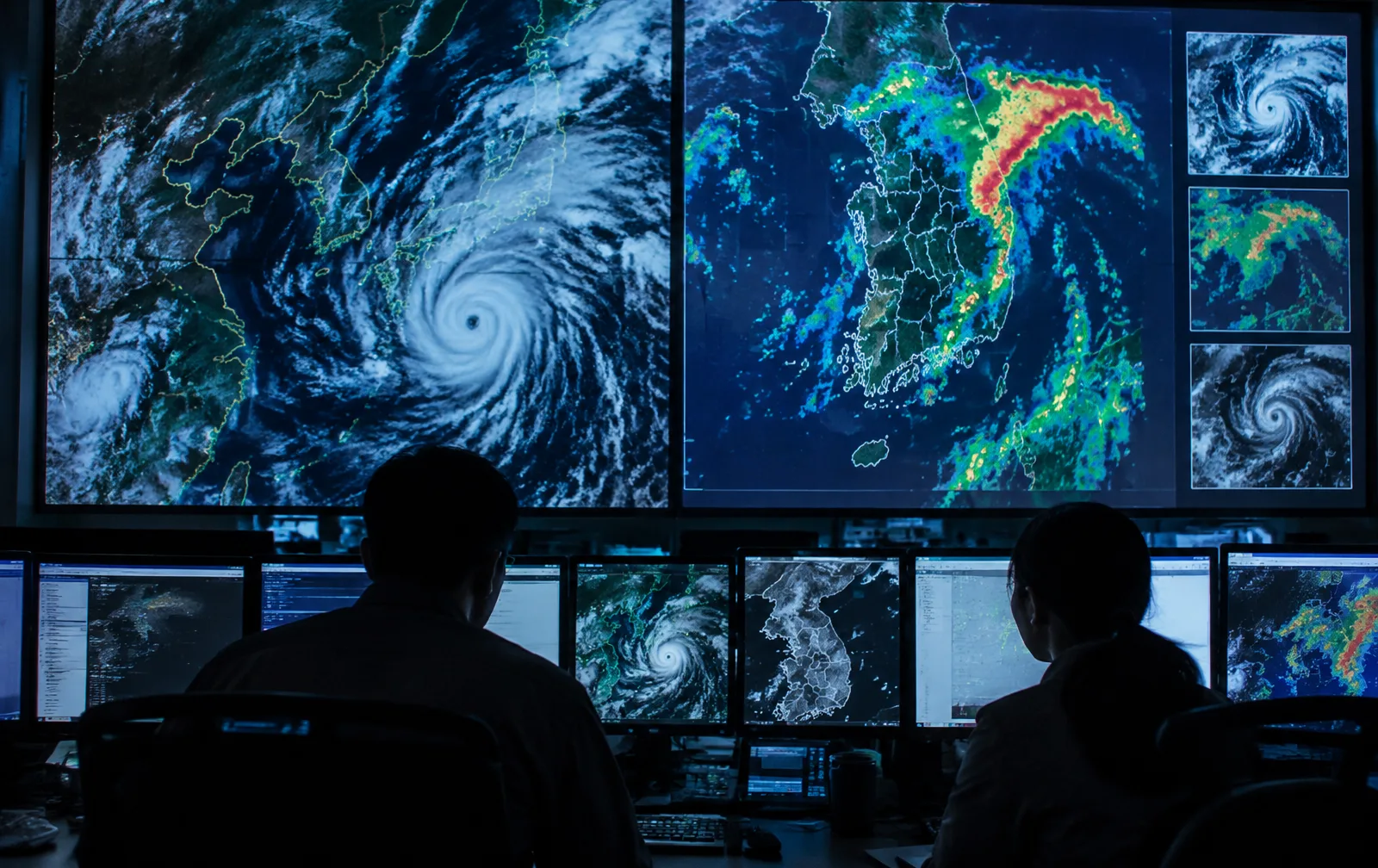
A truly smart city is one that can turn data into prevention — and genuinely reduce the impact on its people.
A Shared Responsibility
Climate change is a problem that requires cooperation from government, business and the public.
Yet calling on citizens to change their behaviour alone cannot substitute for upgrading infrastructure and public policy.
People can save energy or plan their travel better, but they cannot fix the limits of a drainage system or a city's layout by themselves.
Likewise, businesses can build risk-management systems, but they still depend on reliable public data and infrastructure that supports their operations.
Responsibility must therefore be distributed fairly — not pushed entirely onto those least able to cope.
In this writer's view, good climate policy begins with admitting that risk does not affect everyone equally.
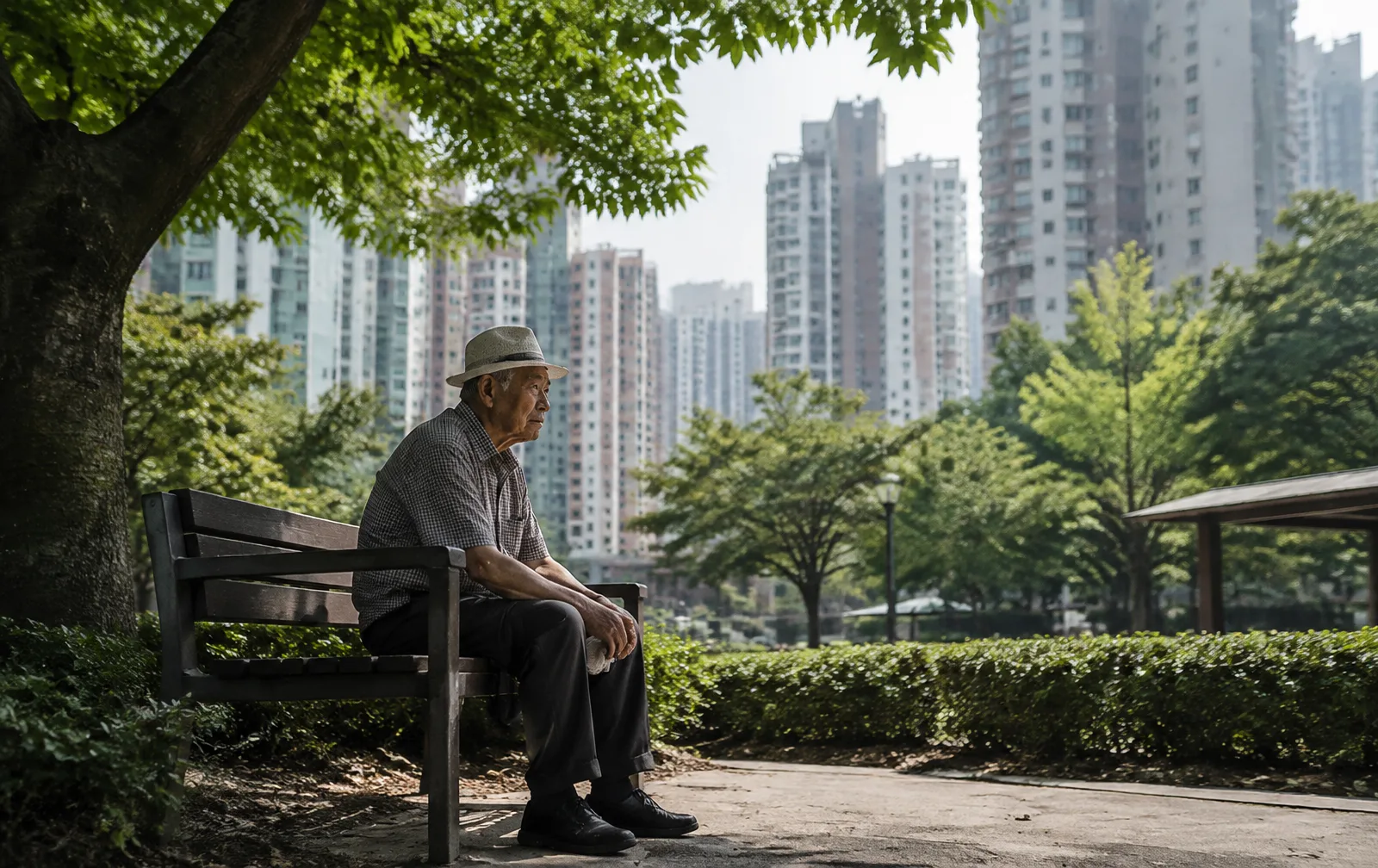
Outdoor workers, the elderly, low-income households and small business owners may have fewer resources to adapt than other groups.
If urban development focuses only on protecting high-value property while ignoring the vulnerability of people, climate risk could deepen inequality.
More Than a Forecast
The weather of 13 October 2026 may pass along with the end of the rain in many areas.
But the data accumulated over the year shows that coping with the weather should be part of a long-term economic and social strategy.
South Korea does not need to wait for a major disaster to prove that adaptation matters.
What is needed is the careful use of scientific data, an honest assessment of risk, and the allocation of resources to prevent damage before the cost grows beyond control.
A good forecast tells people whether to carry an umbrella.
But good governance must also answer this: when the patterns of rain and heat change, how steadily can the city and society carry on?
Because a safe future does not depend on the ability to predict nature alone.
It depends on humanity's ability to prepare for the change that is already here.
Newsletter
Pacific Daily
A curated briefing from Thailand, Asia-Pacific and the world.