Singapore's AI Money in 2026: When Technology Has to Prove It Is Worth the Investment
Technology may change the future, but it cannot escape the laws of economics.
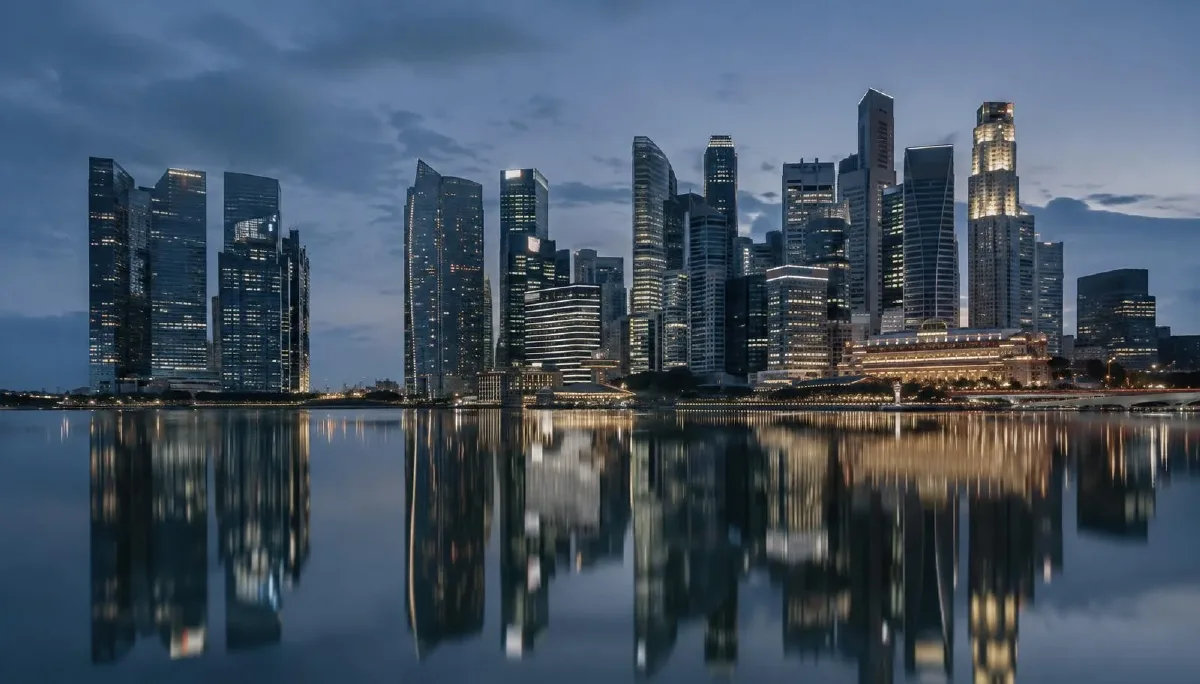
SINGAPORE
SINGAPORE — For several years, artificial intelligence has been sold as the technology that will remake the world economy. Companies have raced to pour money into processors, data centres and digital infrastructure, convinced that whoever builds capacity first will own the markets of tomorrow.
Yet one question keeps getting drowned out by the excitement over each technical leap: how much of the hundreds of billions being spent will ever come back as real returns?
That question gained weight on 12 October 2026, when Tan Su Shan, chief executive of DBS Group, Singapore's largest bank, said financial markets were repricing the risk of AI-related investment, with investors starting to demand returns and financing structures that better match the risks involved.
DBS says that in 2026 it has helped arrange and structure roughly S$25,000 million in AI-related lending. Much of that is syndicated credit in which the bank acts as arranger and keeps only part of the exposure on its own books.
The figure shows how much capital is flowing into the AI ecosystem. It does not mean DBS carries all of that lending, nor that the money has already earned anything back.
The distinction matters, because raising the money is not the same thing as a project succeeding economically.

The overlooked costs
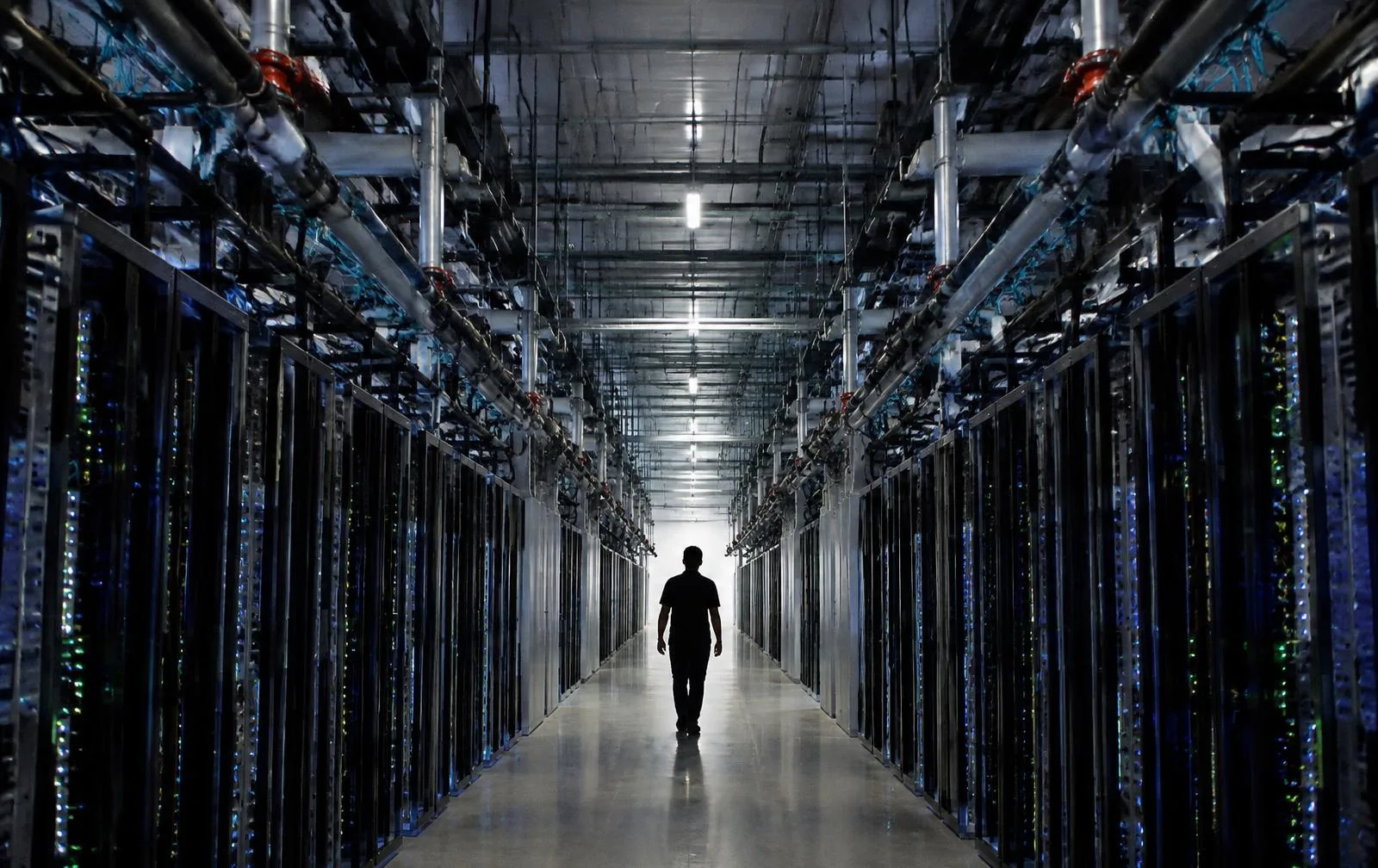
Building AI requires very physical investment: semiconductor fabs, memory chips, data centres, power systems and high-speed networks.
None of this infrastructure can be built on expectation alone. It needs vast amounts of capital and carries running costs that never stop.
The problem is not that the bill is large. It is the gap between the day the money is spent and the day the business earns enough to cover it.
A data centre may have to be paid for years in advance, while customers and technology can shift almost overnight. Today's expensive chips may be superseded by a new generation before investors see the returns their plans promised.
The harder the industry races to add computing power, the more seriously it has to weigh the risk of building far beyond real demand.
In my view, the AI market faces a basic tension between the speed of innovation and the time capital needs to pay itself back.
Technology moves fast. Debt does not disappear at the same speed.
Revenue is not profit

One of the easiest mistakes in the AI boom is to treat rapid growth in users or revenue as proof that a business model works.
A company can have huge numbers of users and fast-rising sales, and still be unable to turn a sustainable profit.
Conversely, some businesses can use AI to cut operating costs, raise productivity and earn real returns without ever building a large model of their own.
That is why AI investment should not be judged by a single yardstick.
Infrastructure builders must show that future revenue can cover the cost of their capital. Users of the technology must show that the efficiency they gain is worth more than what it costs to adopt AI.
If a system halves the time a task takes, but the fees, maintenance and risk management cost more than the benefit, technical progress has not produced economic value.
So the real question is not which company uses the most AI. It is which company can turn what AI can do into results it can actually measure.
A new role for banks

The DBS chief's remarks point to a need for lenders to refocus on asset quality, the ability to repay and whether business assumptions really hold up.
If banks lend on the belief that AI will grow without limit, the risk does not stay with the technology companies. It can pass on to creditors, investors and anyone holding the resulting securities.
Tighter credit standards, however, do not mean banks must turn their backs on AI.
On the contrary, taking risk seriously may steer capital towards ventures with clear revenue models, rather than letting it pile up in businesses that offer little more than promises about the future.
This is why I reject the idea that asking about returns is a sign of hostility to innovation.
Disciplined capital markets do not hold progress back. They separate progress that creates value from expectations that have no evidence behind them yet.
Lessons for Asia

Countries across Southeast Asia see AI as a chance to sharpen their competitiveness in finance, industry, healthcare and public administration.
That ambition makes sense. But adoption should not be measured only by the number of projects, the size of the investment or how many data centres open their doors.
Large-scale infrastructure needs electricity, water, land and skilled people. Any honest assessment of value has to include the economic and resource costs that society ends up carrying.
If a country attracts heavy AI investment but its people and local businesses cannot properly share in the benefits, it cannot yet claim to have made a successful transition to a digital economy.
Good investment should build productivity, knowledge and economic opportunity, not simply swell the balance sheets of large corporations.
The bigger question
Supporters of AI spending can fairly argue that many world-changing technologies looked far too expensive at first, before going on to create enormous value.
That argument carries weight, and it is a good reason not to judge AI's potential on short-term profit alone.
But the history of technology offers no guarantee that every investor will share in an industry's success.
A technology can change the world while many of the companies that bet on it fail.
For me, this is the distinction the financial world most needs to grasp.
AI may prove to be one of the most important technologies of the century. But a technology's importance is no guarantee that the people building it can repay their debts.
The industry's future, then, does not depend only on how much more the world invests in AI.
It depends on how much real value every dollar invested can return to the economy.
Newsletter
Pacific Daily
A curated briefing from Thailand, Asia-Pacific and the world.