Taiwan Series 2026: The Baseball Contest Being Played Out in Taiwan's Economy
A game may end after nine innings, but the economy around the ballpark can keep growing for years.
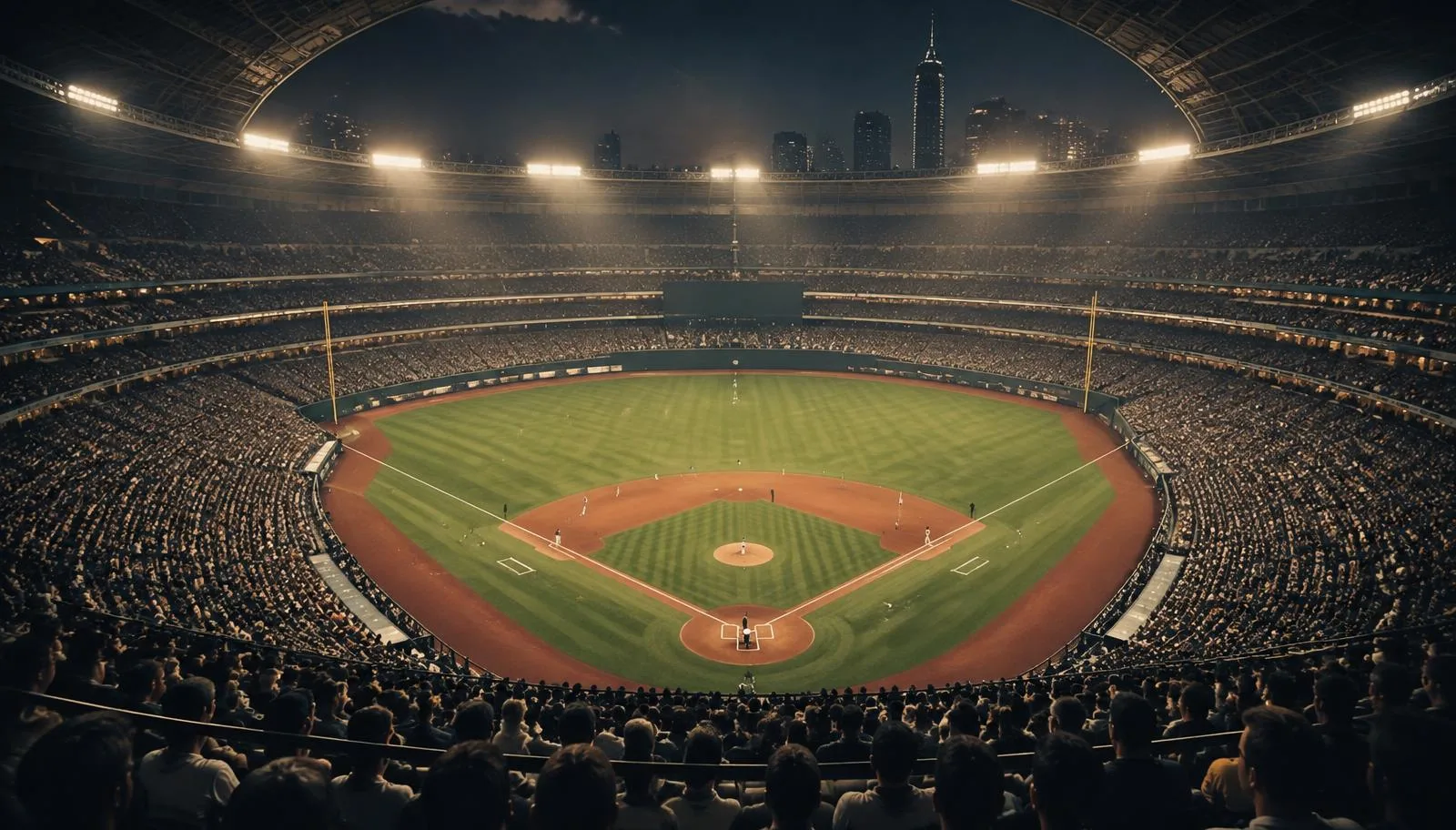
TAIPEI, Taiwan — The Taiwan Series 2026 has fans across the island counting down. The championship opens on 17 October between the Wei Chuan Dragons and the CTBC Brothers in a best-of-seven format.
This year is different: every game of the finals will be played at the Taipei Dome, the first time in Taiwan Series history that a single venue has hosted the entire series.
For baseball followers, this is the high point of the professional season. Look past the wins and losses, though, and the series also shows how sport can create economic value and tie people more closely to their city.
Baseball may be decided by runs on the scoreboard, but its economic success has to be measured by what happens before, during and after the cheering stops.
From the ballpark to the city
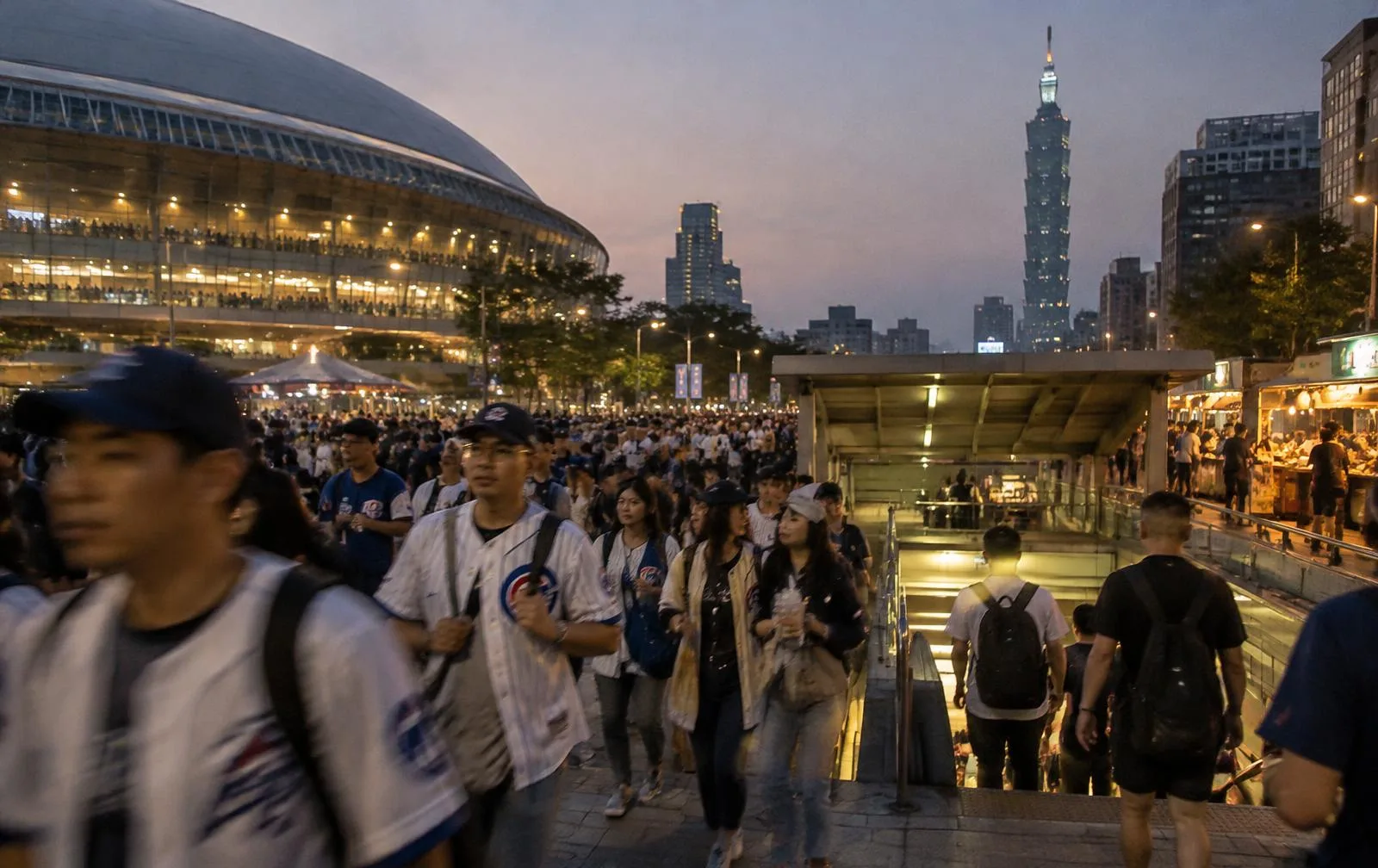
The Taipei Dome is a large indoor stadium that holds roughly 40,000 spectators, and it was designed to stage games without being at the mercy of the weather outside.
That matters for sporting events, because a guaranteed venue and a reliable schedule are the foundations of any business plan.
Organisers can plan events, advertising and the fan experience systematically, while hotels, restaurants and transport operators get a better chance to prepare for incoming visitors.
A big stadium, however, does not automatically deliver economic benefits to the wider city.
If fans come for the game and head straight home, the money may end up concentrated among only a handful of businesses.
If, on the other hand, the city can link the games to its attractions, restaurants, creative districts and local businesses, visitors may stay longer and spend in more varied ways.
The difference, then, lies not in the number of seats but in a city's ability to turn spectators into a broad spread of economic activity.
The value of the experience
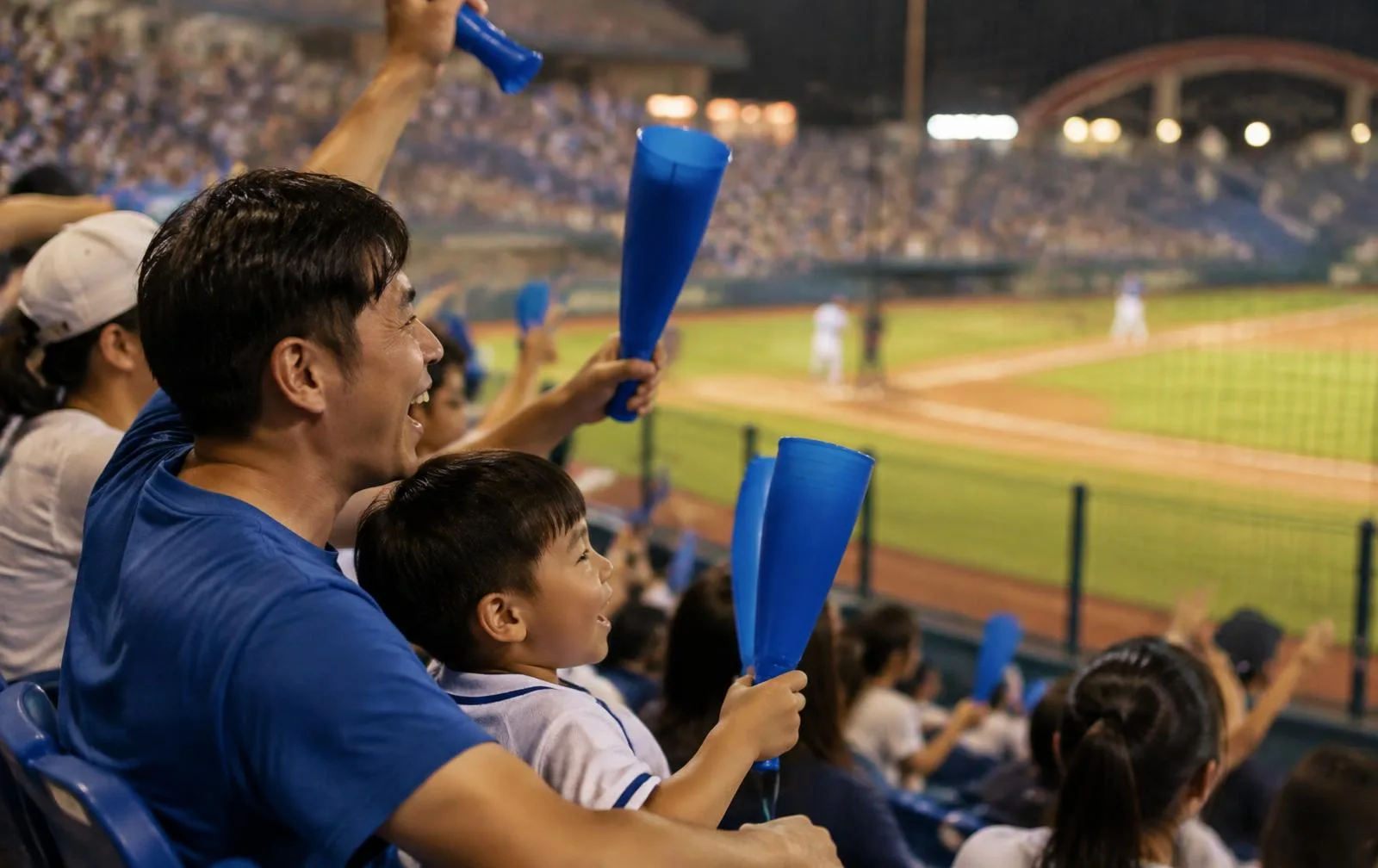
Tickets for the games hosted by the Wei Chuan Dragons come in several tiers. Some sections for the first two games cost as much as NT$2,800, while certain tickets for games that may be played late in the series start at NT$500.
That price range reflects a core strategy of the sports business: fans are not just buying the right to watch a game, they are buying different kinds of experience.
Where you sit, how close you are to the field, the merchandise and the cheering rituals all add value to a night at the ballpark.
In my view, this is why the modern sports business cannot rely on ticket sales alone.
If clubs want a stable revenue base, they need to keep their relationship with fans alive all year round, through memberships, licensed merchandise, community events and experiences that make supporters feel part of the team.
But adding value has limits that call for care.
If tickets and the cost of attending rise until people on lower incomes are priced out, baseball could gradually lose its role as a public pastime that brings together people from many walks of life.
Commercial competition has to strike a balance between earning revenue and keeping a long-term fan base.
An identity that creates value
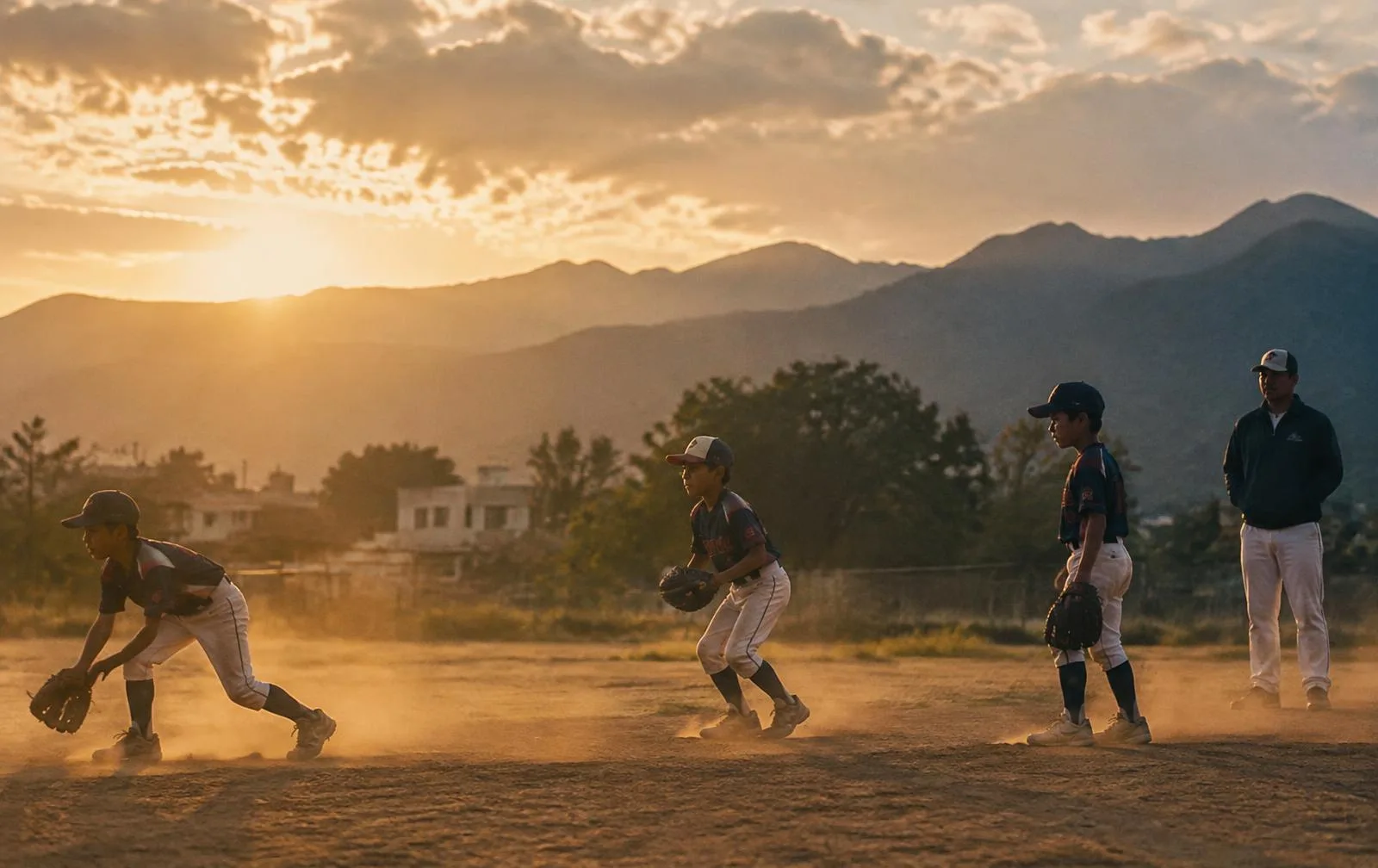
In Taiwan, baseball matters far more than just another professional sport.
Its history is bound up with schools, communities, international competition and the pride of fans across generations.
Those bonds give the game an emotional pull that ordinary advertising cannot simply buy.
When fans pull on a team jersey, travel to a game or back a favourite player, they are showing that they belong to a cultural community.
That is social capital with economic value, but it should never be reduced to a mere marketing tool.
If organisers treat spectators simply as customers whose spending must be pushed higher, the bond between clubs and fans may weaken over time.
By contrast, respecting a team's history, supporting young players and making room for families to enjoy the sport may build a more lasting loyalty than selling merchandise on the back of a single championship run.
Opportunities for local business
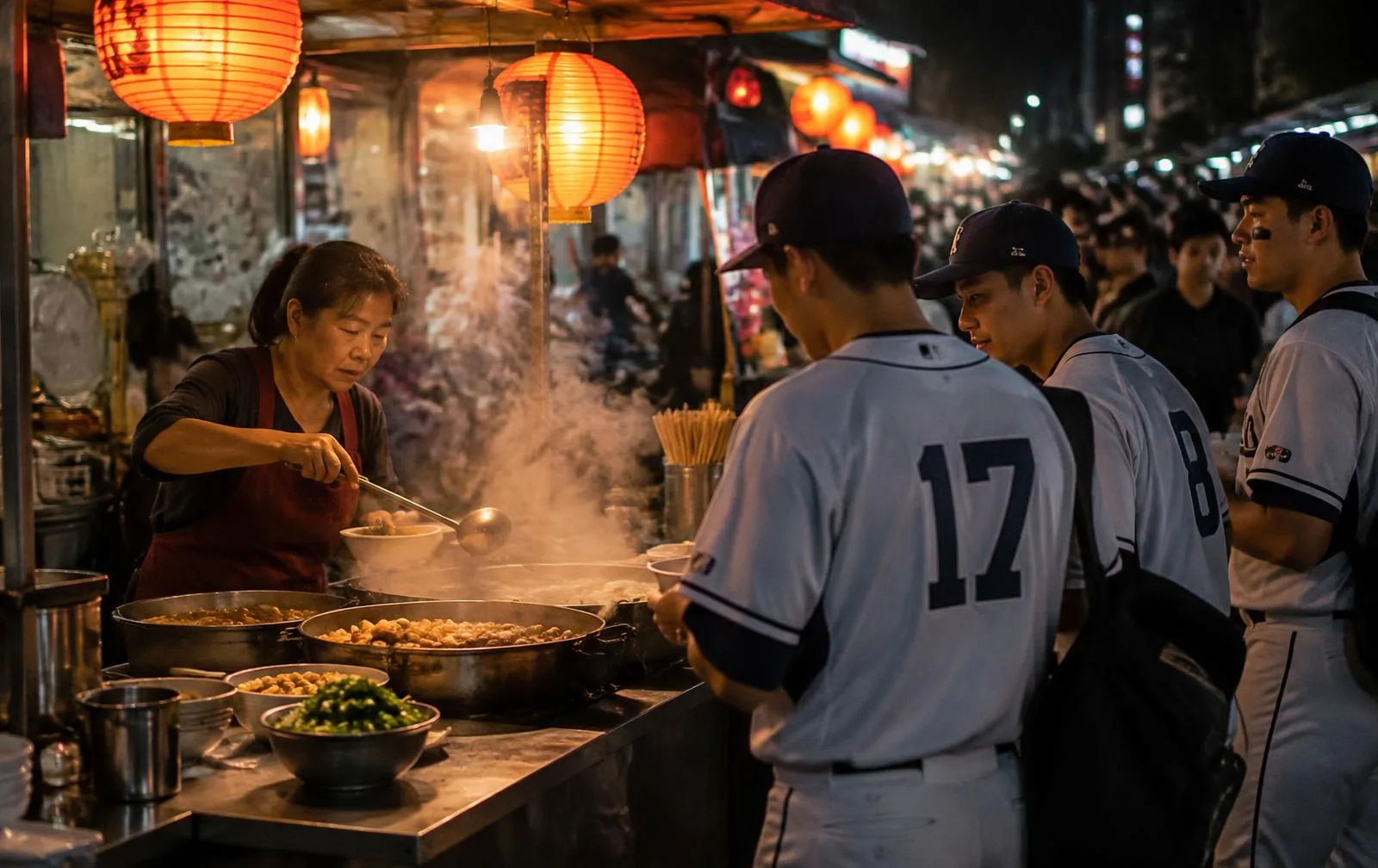
A major event can create openings for many kinds of businesses, from hotels, restaurants and transport firms to the makers of goods and entertainment services.
How large those opportunities turn out to be, though, depends on clear data.
Ticket sales are not the total revenue of a city's economy, just as the crowd inside a stadium cannot be read as the number of visitors who travelled in from elsewhere.
Some fans may be local residents who are simply shifting their spending from one activity to another.
A serious assessment of economic impact has to look at the number of visitors from outside the area, how long they stay, how much extra they spend and what share of that revenue reaches local businesses.
I think this kind of measurement matters, because it separates success in image from economic benefits that actually materialise.
A city that hosts a major event well may win attention around the world, but it is the city that uses the event as a starting point for developing its businesses and services that stands to create lasting value.
A bigger game than the final score
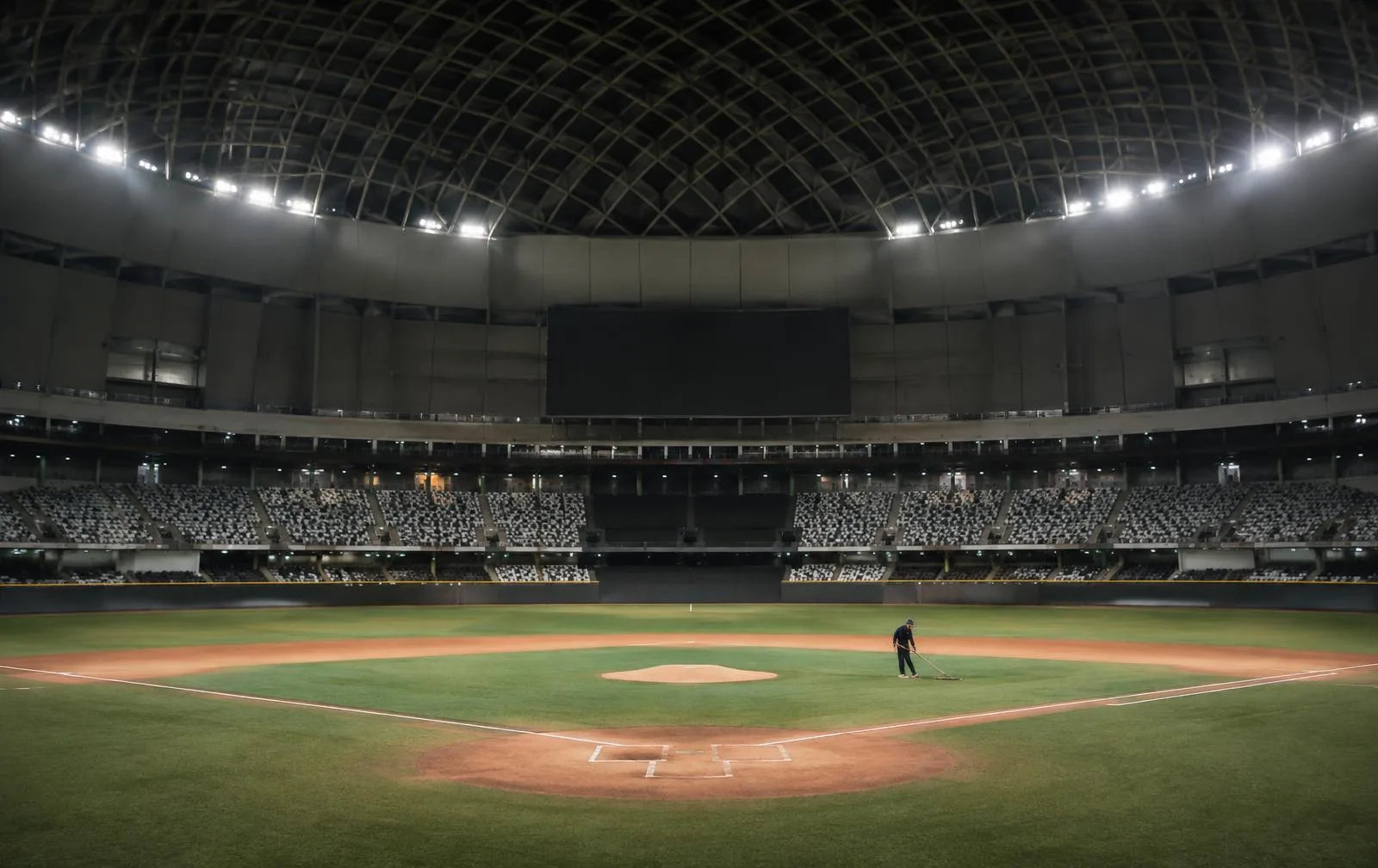
For the Taiwan Series 2026, what fans are waiting for is to see whether the Wei Chuan Dragons or the CTBC Brothers lift the trophy in the end.
For city leaders, business owners and sports policymakers, the questions should go further.
How much extra income will the series bring to businesses around the stadium? Will it draw new audiences into baseball? And how will the existing infrastructure be put to continued, productive use?
Sporting success deserves to be celebrated, but economic success depends on design and on measuring the results.
Baseball becomes an economic engine only when a city sees its stadium as part of the economy, not a huge building that opens its doors on game days alone.
Because in the end, only one team can take home the trophy.
But the value the series creates should have a chance to reach everyone in the city.
Newsletter
Pacific Daily
A curated briefing from Thailand, Asia-Pacific and the world.